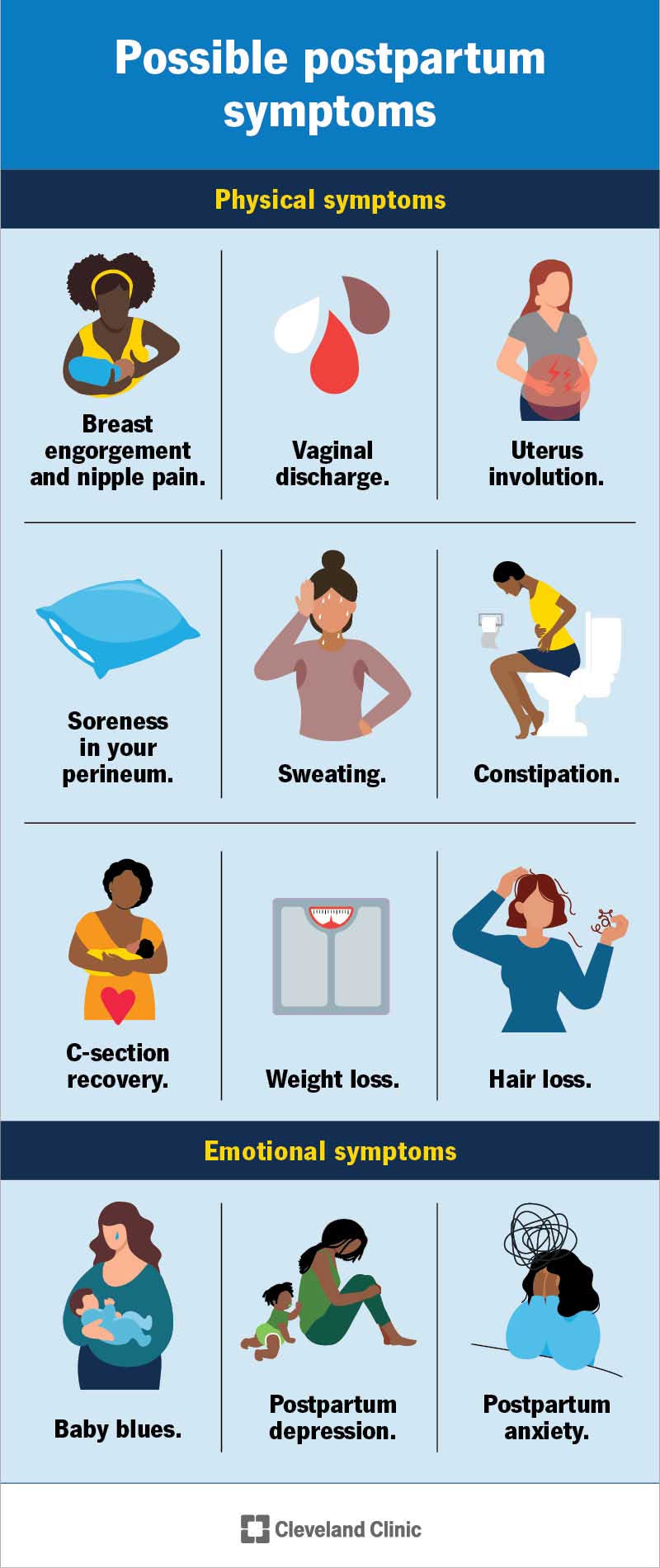
Postpartum psychosis is a rare but severe mental health emergency that can strike within the first two weeks after childbirth — sometimes within just 48 hours. Unlike the widely known "baby blues," which affect up to 80% of new mothers and typically fade within days, postpartum psychosis involves a break from reality. Symptoms can include hallucinations, delusions, severe confusion, and mood swings that escalate quickly.

Medical experts estimate it affects 1 to 2 out of every 1,000 births. While that number is small, the stakes are high: without prompt treatment, it carries risks for both the mother and her baby. Because symptoms can look like exhaustion or anxiety — which are common after delivery — the condition is frequently misread by families, and sometimes even by healthcare providers.

The American College of Obstetricians and Gynecologists (ACOG) describes postpartum psychosis as a medical emergency that requires immediate psychiatric care. Treatment often includes hospitalization, medication, and close monitoring. With early intervention, most women recover fully, but delays in care can lead to dangerous outcomes.

So what triggers it? Researchers point to a combination of hormonal shifts, sleep deprivation, and underlying mental health conditions, particularly bipolar disorder. Women with a personal or family history of bipolar disorder are at significantly higher risk, which is why ACOG recommends that new mothers be screened for mood disorders during pregnancy and after delivery.

Despite its severity, awareness remains low. Many maternal health advocates argue that the silence around postpartum psychosis prevents parents from recognizing warning signs — and prevents loved ones from stepping in. Common red flags include rapid mood swings, paranoia, unusual thoughts about the baby, and difficulty sleeping even when the baby sleeps.

Experts stress that this is not a character flaw or a sign of weakness. It is a biological response to childbirth that can happen to anyone. The key, they say, is education — knowing the signs before delivery so that help can come fast.

The conversation around maternal mental health has grown in recent years, but gaps remain. As more states pass laws requiring postpartum depression screening, some advocates are pushing for the same attention on the most severe end of the spectrum. For now, the most important message from doctors is simple: if a new mother seems out of touch with reality, act immediately.