The 2026-2027 respiratory virus season is here, and this year's vaccine lineup is targeting new strains of COVID and flu that are currently circulating. With updated shots now available, public health agencies and medical groups are pushing one clear message: timing matters.

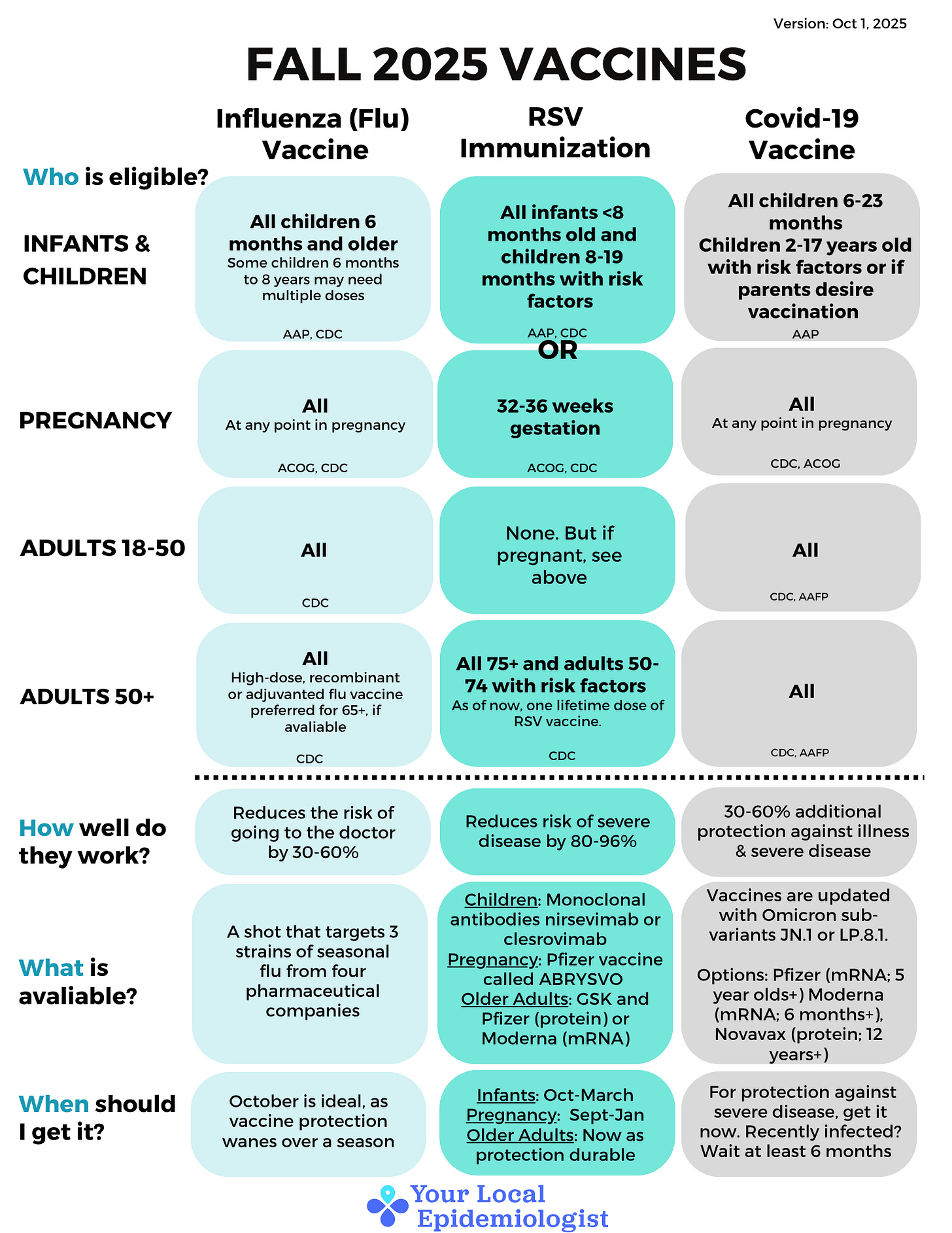
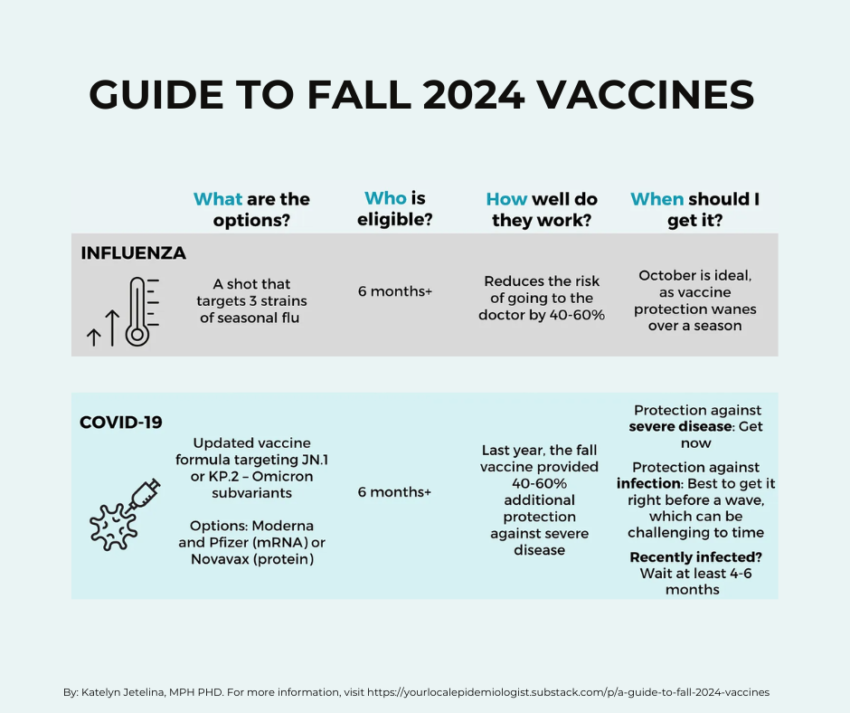
The Centers for Disease Control and Prevention advises that most people get their updated COVID vaccine and annual flu shot in September or October. Getting vaccinated too early in late summer could mean lower protection by mid-winter, when viruses tend to peak. For older adults and those with certain health conditions, an additional dose or adjusted schedule may be recommended — so checking with a doctor is key.

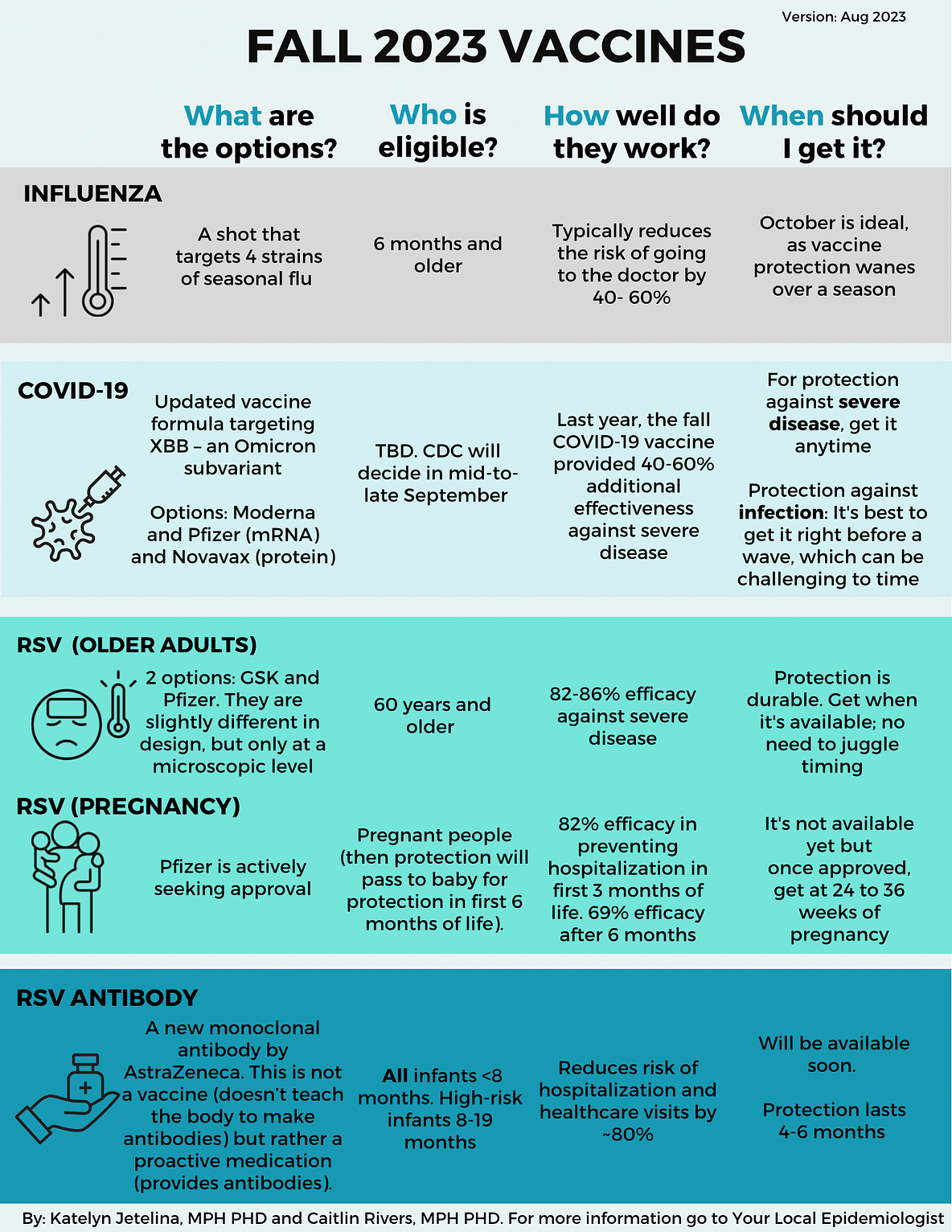
A notable change this season involves respiratory syncytial virus, or RSV. For the first time, health experts are recommending a second RSV dose for some children who remain at high risk. This follows evidence that a single dose may not provide full protection through two RSV seasons for vulnerable kids, according to a Medscape report. Parents of children with chronic lung disease, severe immunocompromise, or other high-risk conditions should ask their pediatrician whether the additional dose is advised.
On the West Coast, the West Coast Health Alliance has issued an urgent call for immunizations ahead of the respiratory season, emphasizing that vaccination is the most reliable way to reduce severe illness and hospital strain. Flu and COVID activity typically begins rising in late October and peaks between December and February, so shots given in the fall have time to build optimal immunity.

The updated vaccines are formulated to protect against the viral strains most likely to dominate this season. While no vaccine is 100% effective, health officials stress that even a mild case in a vaccinated person is far less likely to lead to hospitalization.

As the season unfolds, experts will be watching whether the new recommendations on timing and additional doses help curb what could otherwise be a difficult winter. If you're unsure about which shots you or your children need, a quick conversation with your doctor now could make all the difference later.