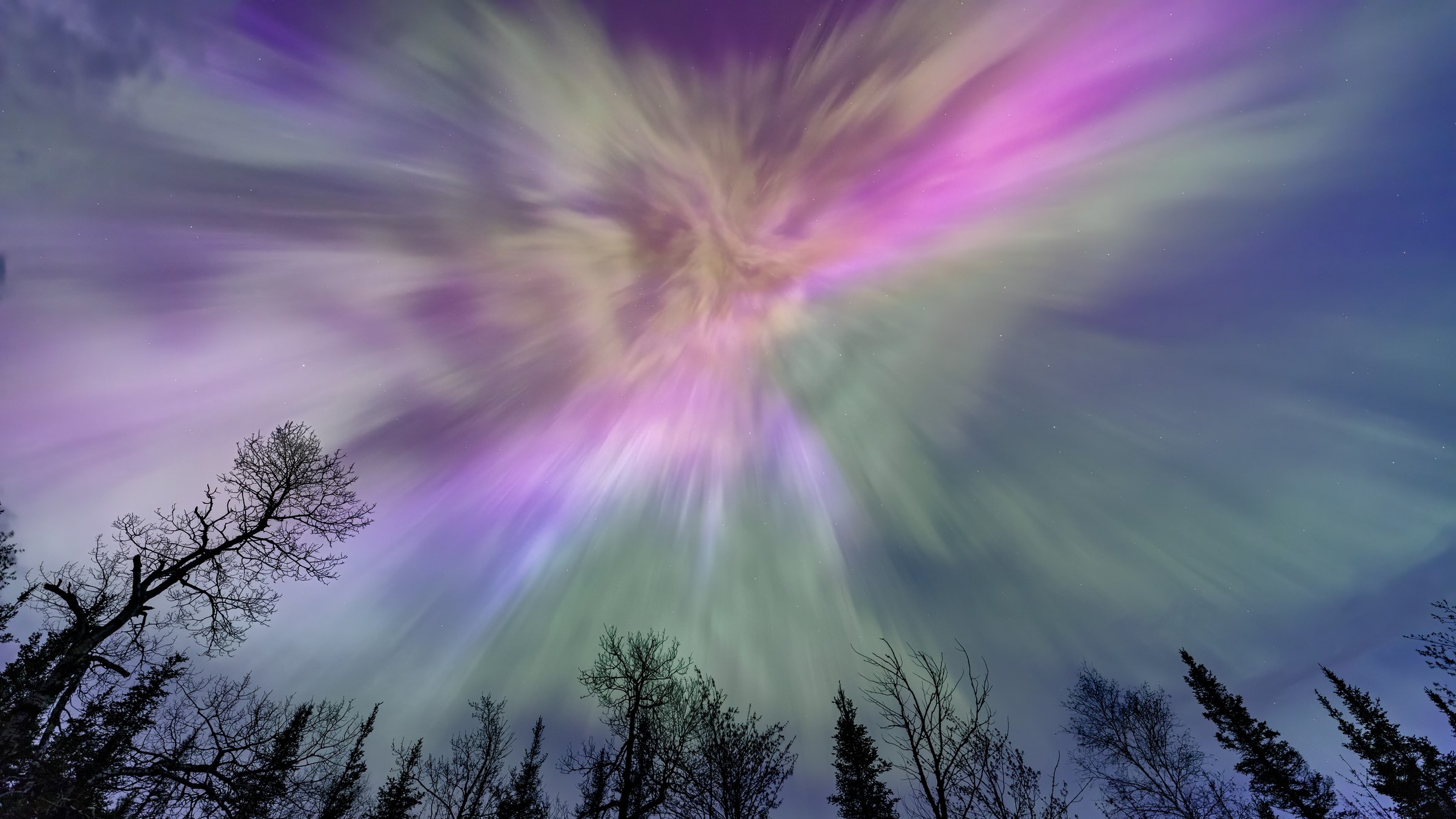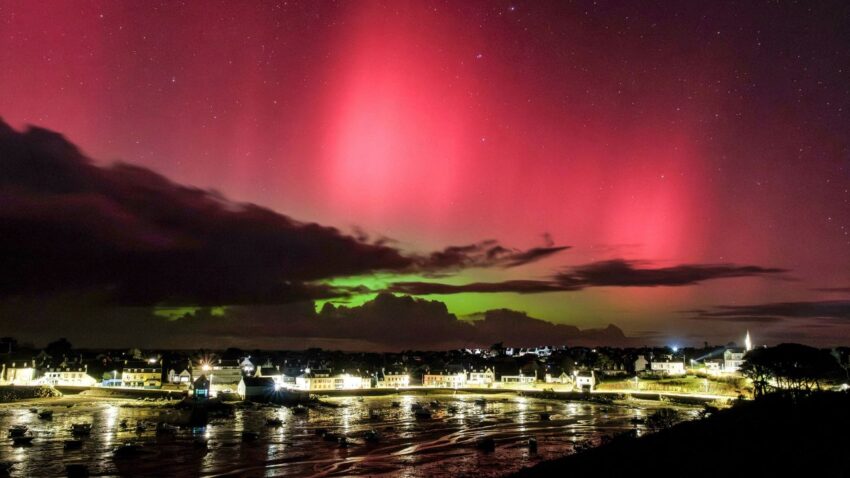
Sky watchers across the northern U.S. are in for another possible treat Wednesday night, as forecasters say the aurora borealis could dip into as many as 20 states — some as far south as the Midwest and parts of the Northeast.

The National Oceanic and Atmospheric Administration's Space Weather Prediction Center has issued a minor geomagnetic storm watch for Wednesday, with a Kp index that could reach 5 or 6 on a scale of 9. That level of activity is enough to push the northern lights farther south than usual, making them visible from states like Michigan, Minnesota, Wisconsin, and even parts of Iowa and New York.

What is making this event unusual, according to space weather forecasters, is that the incoming solar activity is originating from a region of the sun with almost no visible sunspots. Typically, strong auroras are driven by complex sunspot groups, but recent observations show this particular region has been surprisingly quiet in appearance while still producing a rare proton burst and sending charged particles toward Earth.
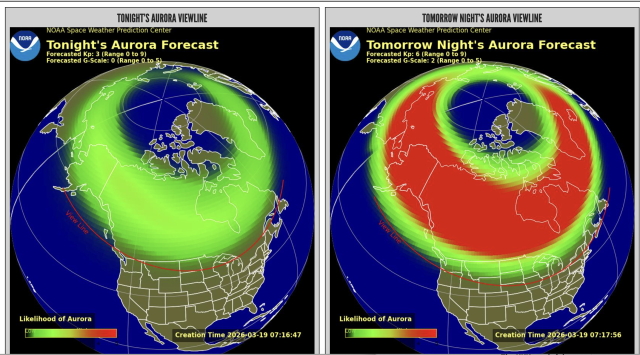
For the best chance to see the lights, forecasters recommend finding a dark location away from city lights, looking north after sunset, and allowing your eyes 15 to 20 minutes to adjust. The optimal viewing window is usually between 10 p.m. and 2 a.m. local time, though clear skies are the biggest factor.

Cloud cover will be the main obstacle for many, especially across the Great Lakes and northern New England, where partly cloudy conditions are expected. Areas with clearer skies, including parts of the Dakotas and the upper Midwest, may have the best view.
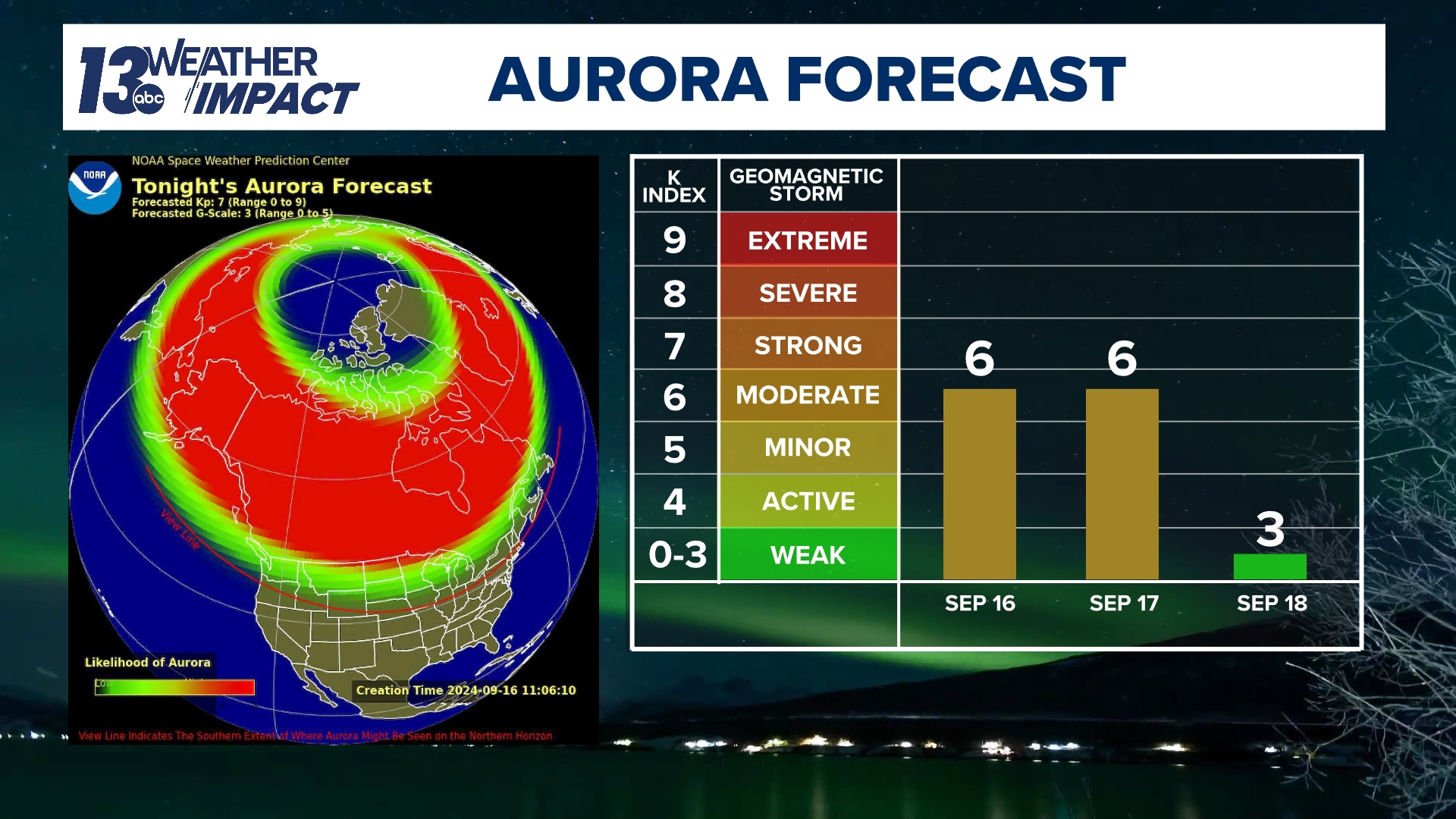
Forecasters stress that aurora predictions are always uncertain, but with the watch already in place, the potential for a colorful display is real. The next few hours will tell — and those ready with a camera or a clear view of the horizon may not want to miss it.