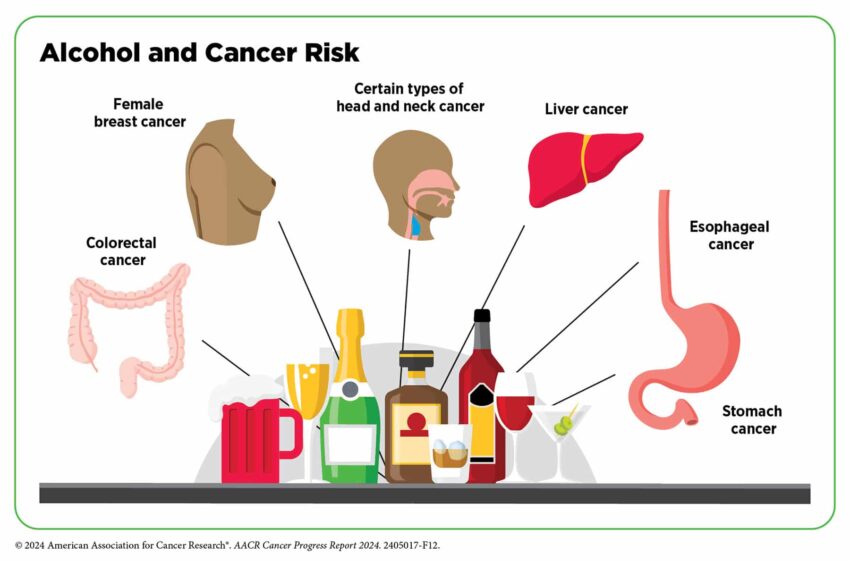
A sweeping new analysis suggests that even moderate drinking — as little as one drink per day — may increase the risk of dying from several types of cancer, with researchers calling the trend a growing public health concern.
The study, which draws on decades of U.S. data, found that alcohol-related cancer deaths have more than doubled over roughly three decades. That rise appears to track with changes in drinking patterns, the authors say, though they caution that the findings show association, not direct cause and effect.
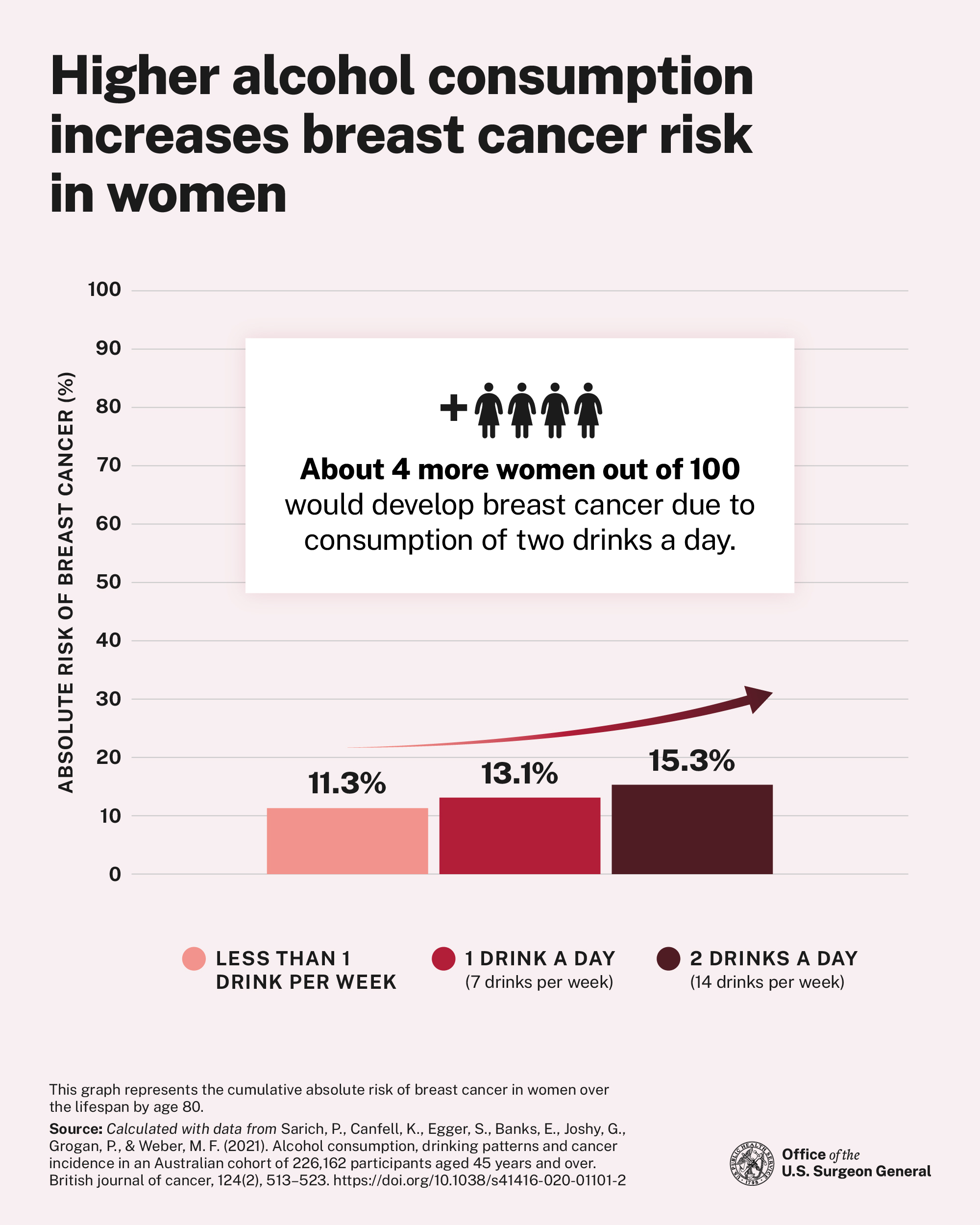
Previous research by the American Cancer Society has classified alcohol as a known carcinogen. The new analysis goes further by quantifying the risk tied to low-level consumption. At the equivalent of one standard drink a day, the added risk varies by cancer type — expected to be modest for some cancers but more pronounced for others, including breast, colorectal, and liver cancers.

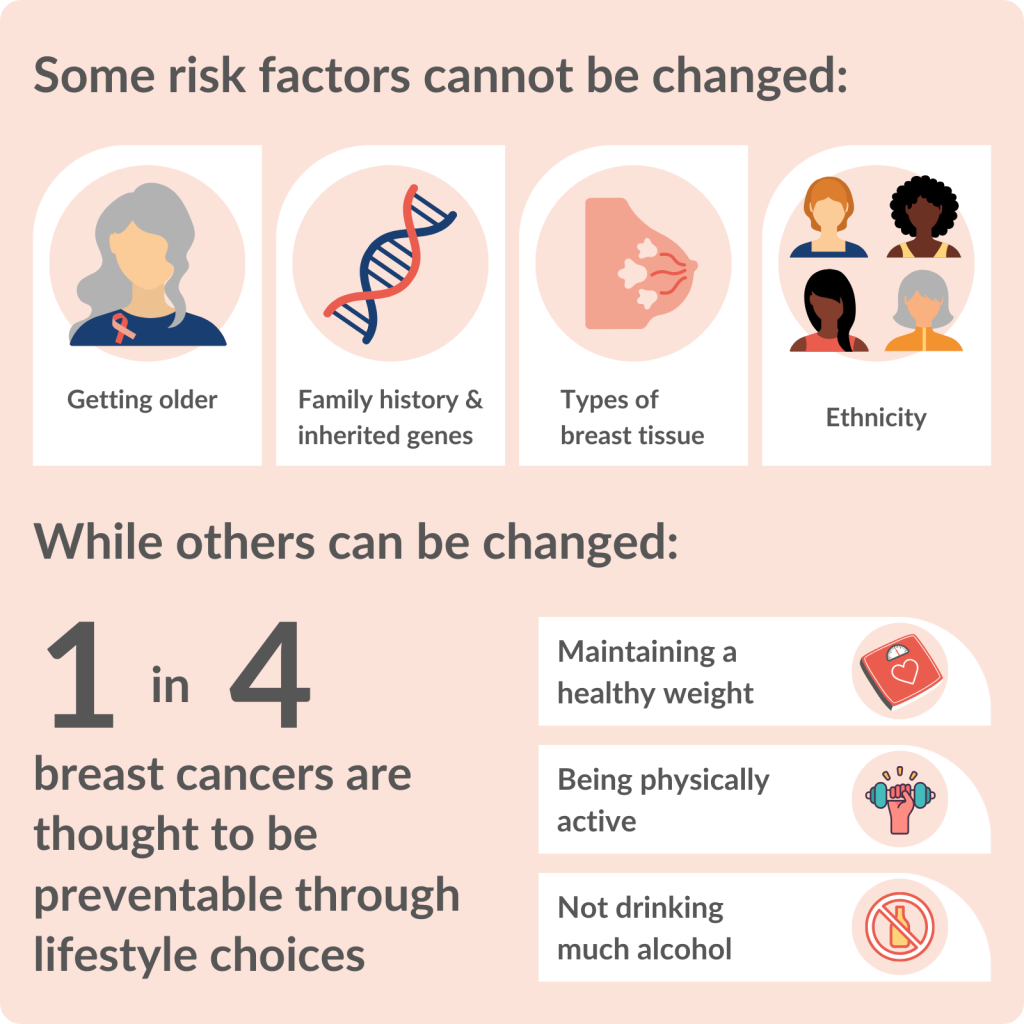
The study examined nine types of cancer widely linked to alcohol use. It found that certain groups face higher risks, likely due to a combination of biological factors and drinking habits developed over time. The authors emphasized that when it comes to cancer risk, there may be no entirely safe level of drinking — though cutting back, even later in life, can still reduce the risk.
Public health experts have responded with renewed calls for clearer warning labels on alcoholic beverages, similar to those on tobacco products. The Surgeon General's office has previously highlighted alcohol's link to cancer, but this new analysis adds a specific, grim metric: how many lives that connection claims.
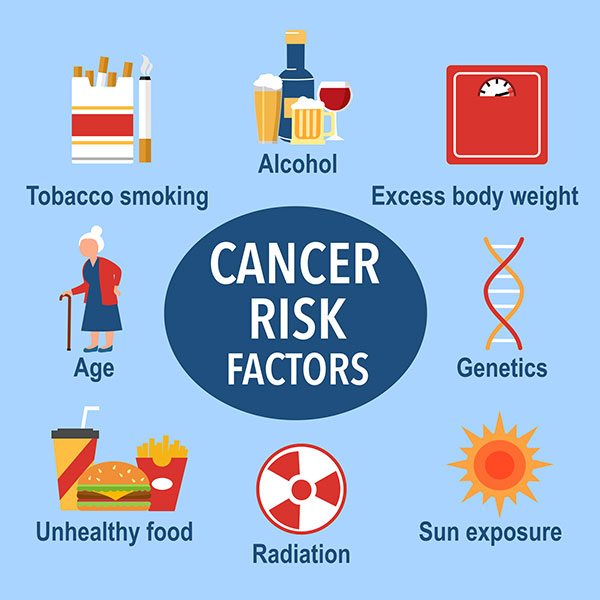
The study's findings enter a politically charged moment, as federal dietary guidelines are under review. When those guidelines are updated, alcohol is widely expected to face stricter limits based on the accumulating evidence. Its effect on public messaging around drinking — and industry resistance — is still unfolding.