NASA’s newest space telescope, the Nancy Grace Roman, has successfully completed its first mid-course correction burn, a critical step on its journey to a stable orbit about 1 million miles from Earth.

The burn, confirmed by NASA Science on March 2, 2027, adjusted the spacecraft’s trajectory after its launch aboard a SpaceX Falcon Heavy from Kennedy Space Center in Florida. The maneuver went exactly as planned, according to mission engineers.

Roman is designed to map the cosmos on an unprecedented scale. Its wide-field instrument will capture images of the sky with a field of view about 100 times larger than NASA’s Hubble Space Telescope, allowing it to survey huge swaths of the universe in a single snap.

The mission’s primary goals are to study dark energy, the force thought to be accelerating cosmic expansion, and to search for exoplanets using microlensing — watching for tiny dips and brightness changes in distant stars that reveal planets circling them.

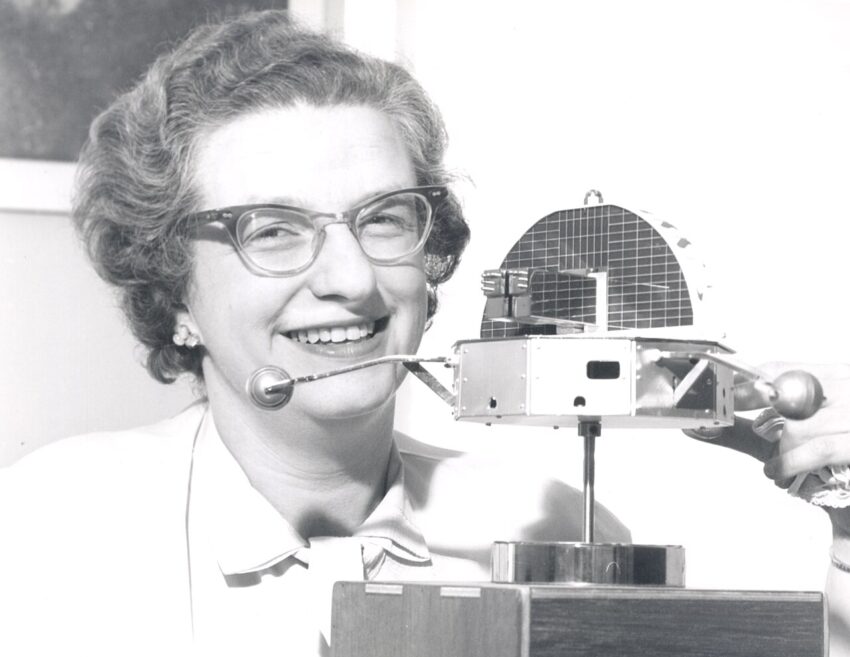
The telescope, named after Nancy Grace Roman, NASA’s first chief of astronomy, is scheduled to begin science operations later this year. Until then, engineers will spend several months verifying that all instruments are working correctly.

Lawmakers on Capitol Hill have also taken notice. An opinion piece in The Wall Street Journal highlighted growing congressional interest in space exploration projects, which could shape future funding for science missions like Roman.

For now, all eyes are on the telescope’s next milestones: completion of post-launch checks, deployment of its sun shield, and the first test images — which NASA says could arrive within the next few weeks.
If those go as smoothly as the first maneuver, astronomers say the Roman mission could deliver a stream of discoveries that reshapes our understanding of the universe — and the timing, they add, feels almost too good to be true. But with several years of operations still ahead, the biggest surprises are likely still waiting.