
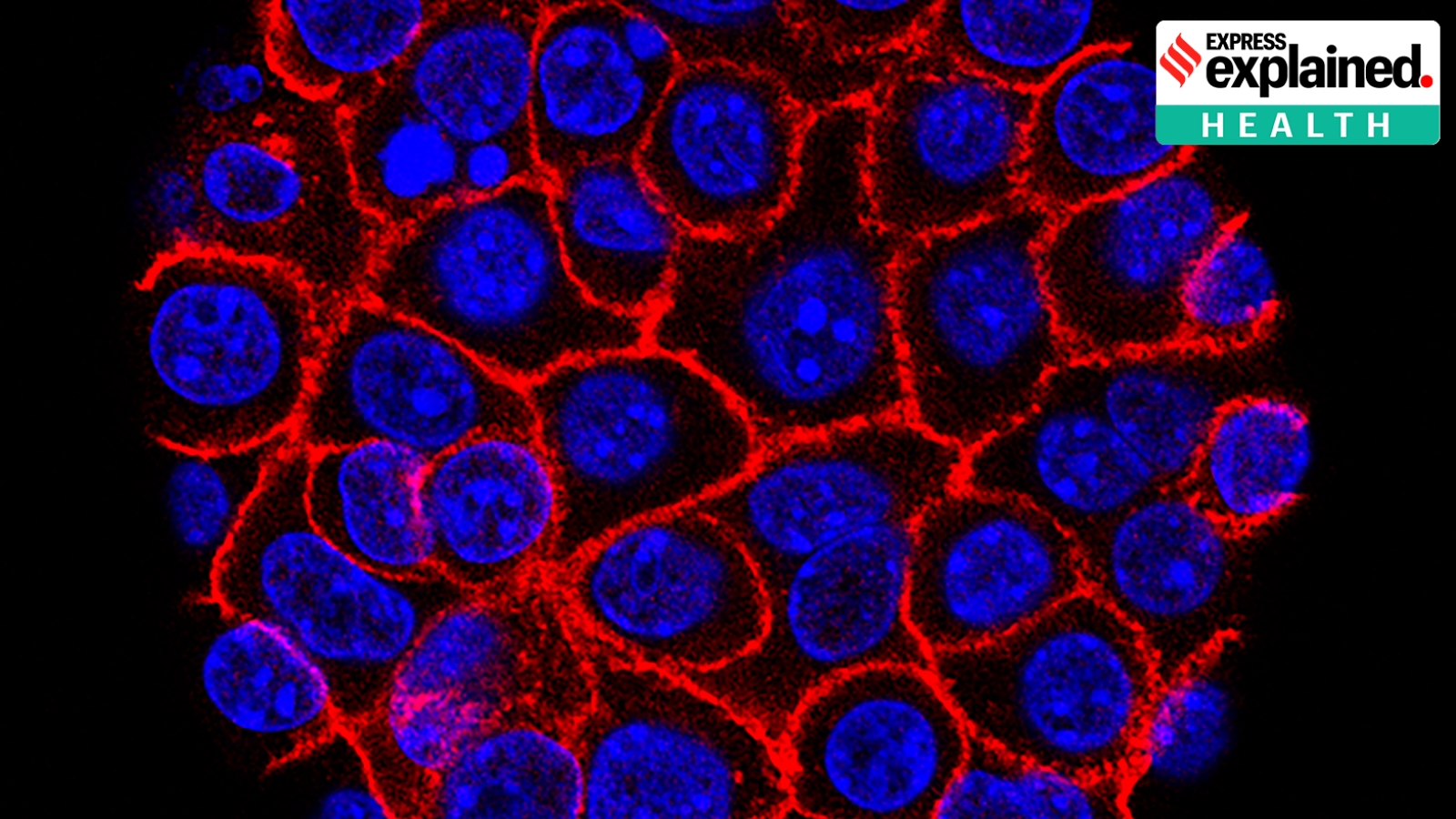
A drug that became a landmark treatment for pancreatic cancer is now showing potential against lung cancer in early research, according to new findings reported by Nature and ABC News.
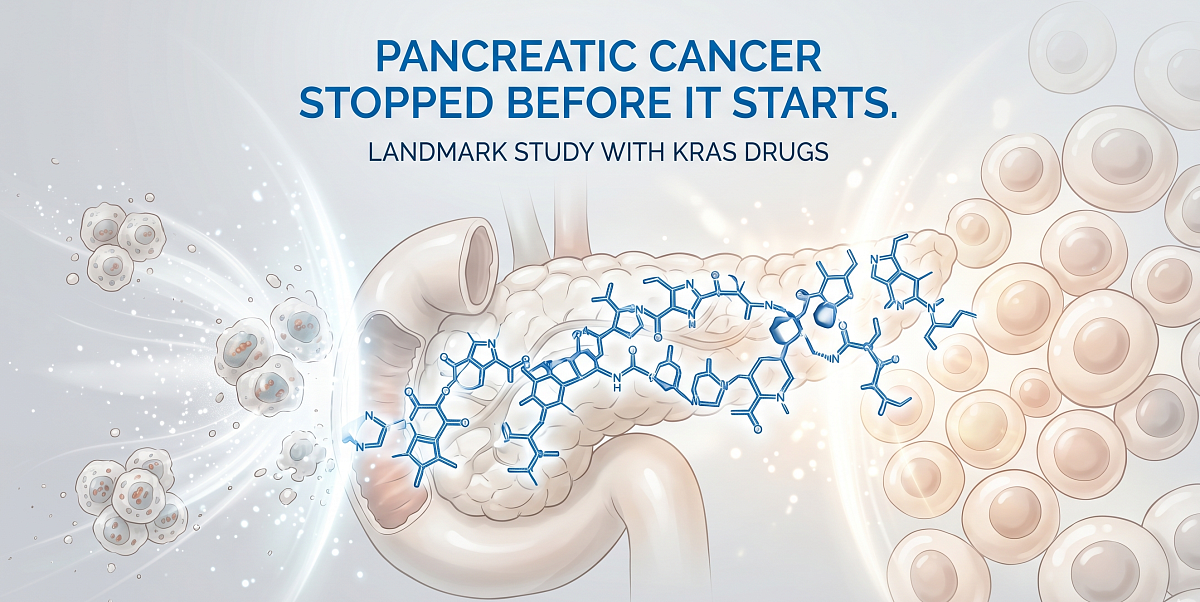
The therapy, already approved by the FDA after improving survival in pancreatic cancer patients, is being studied for use in non-small cell lung cancer. Early data suggests the drug may offer a new option for patients with certain genetic markers, though researchers stress that larger trials are still needed.

Oncologists have described the pancreatic cancer approval as a breakthrough, as highlighted in coverage by Healthcare Brew. Now, early study results are raising hopes that the drug's targeted mechanism could translate to another hard-to-treat cancer.
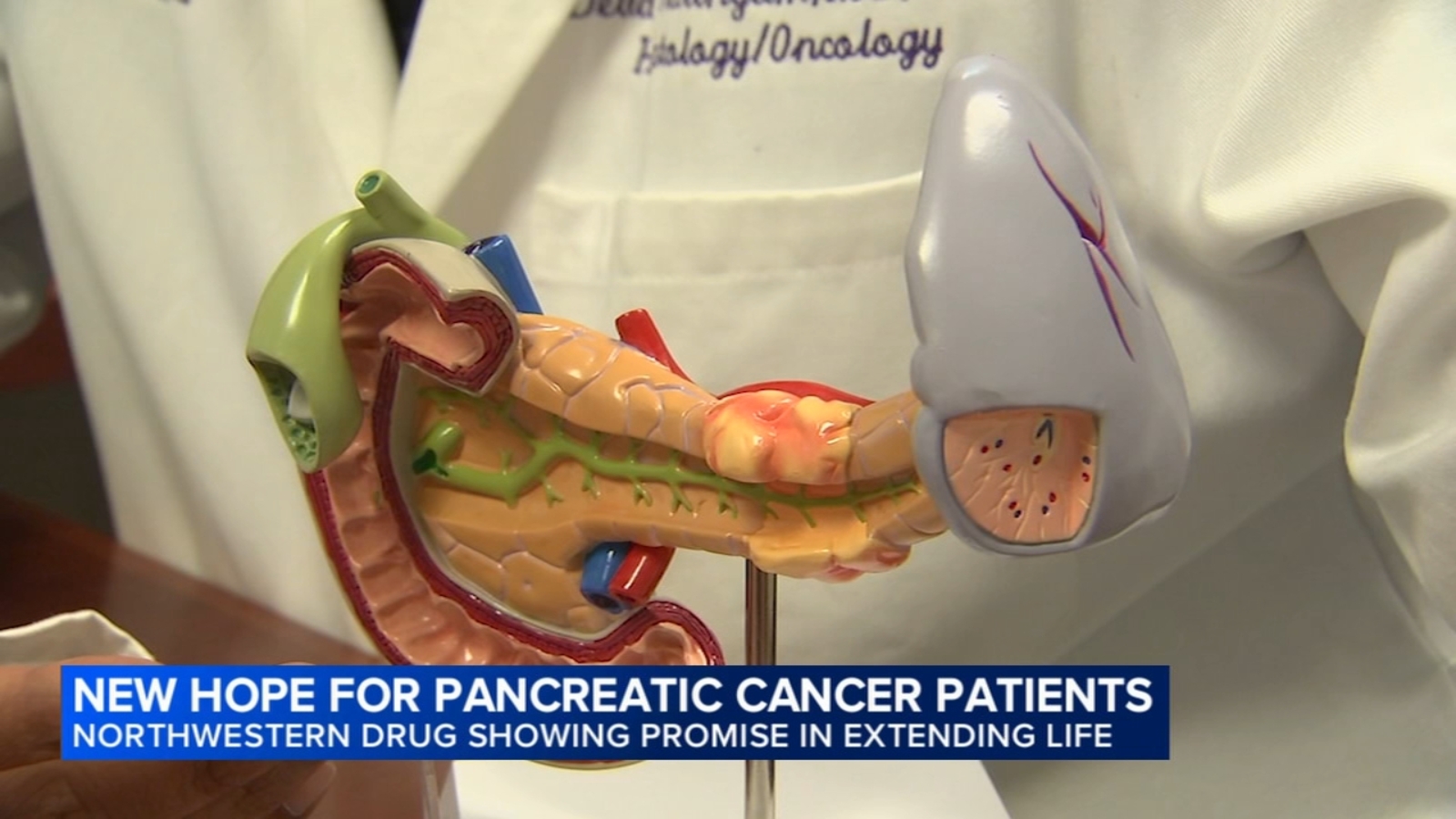
The STAT report notes that even with the approval, some patients have struggled to access the drug, pointing to hurdles that remain even after a medical advance is cleared for use.
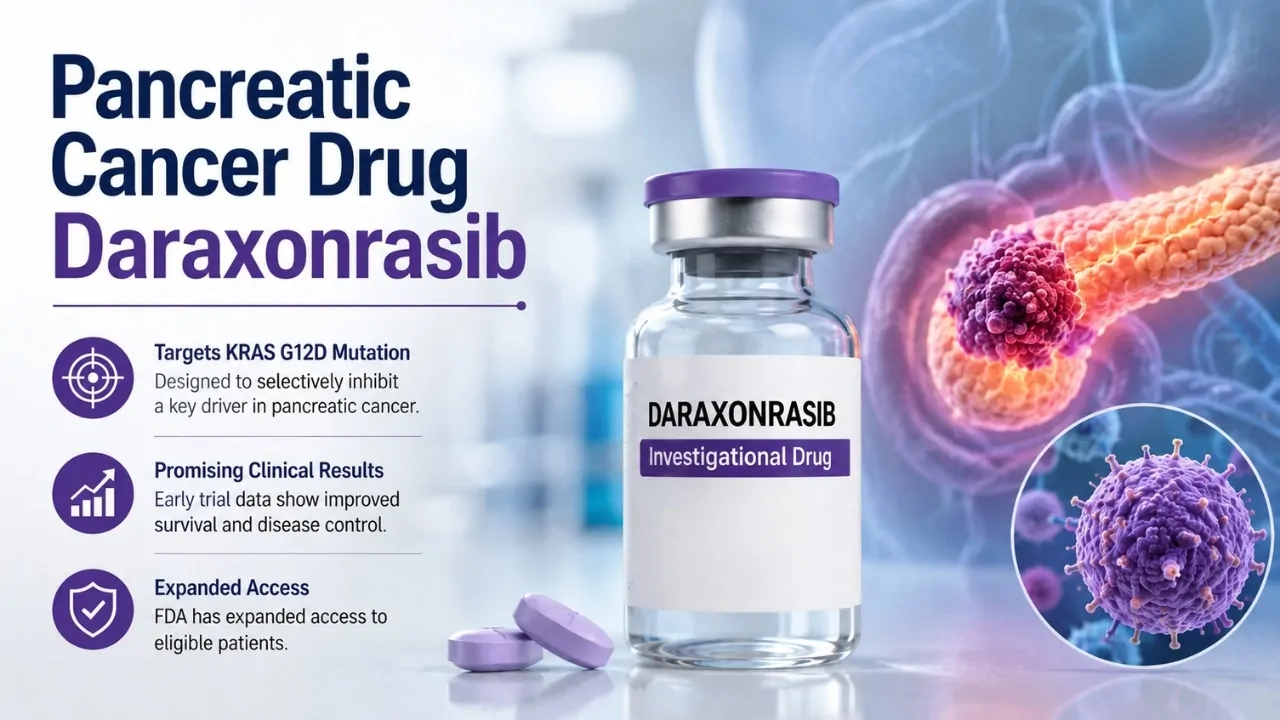
Experts are cautious: what works in one cancer type doesn't always work in another. But the genetic similarity between some pancreatic and lung tumors is what makes the crossover worth investigating.

The next phase of trials will determine whether the early promise holds up. For now, researchers are watching closely—and patients are waiting.