A new research review is offering a sweeping look at how major reproductive transitions — puberty, pregnancy, and menopause — are tied to structural changes in the brain, and the findings suggest both shared patterns and stage-specific shifts across a woman's lifespan.

The work, highlighted by researchers studying neuroendocrine effects on brain structure, points to a central idea: the brain is not a static organ after development. It continues to adapt in measurable ways during key hormonal transitions.

While the full peer-reviewed details are still being examined, the review draws on brain imaging studies to compare gray matter volume, cortical thickness, and other structural measures before, during, and after these three phases.
:max_bytes(150000):strip_icc()/VerywellHealthNewCreate-PubertyFromStarttoFinish-WhatHappens-v1-7cb58f585e1c40288c5eb793734c886f.png)
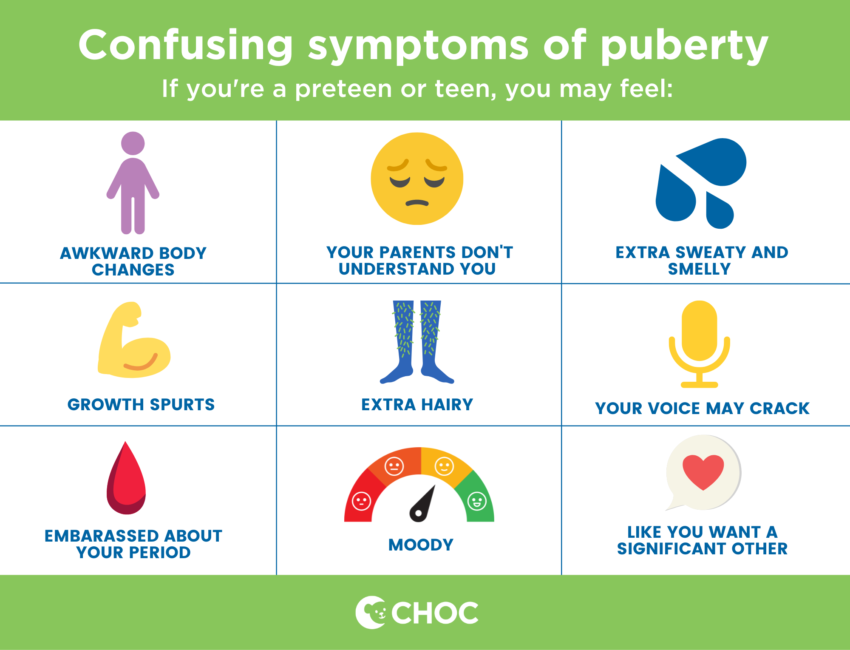
One of the most notable takeaways is that each transition appears to involve both overlapping and unique patterns of change. Puberty, for example, is tied to synaptic pruning and maturation in social and emotional circuits. Pregnancy has been associated with reductions in gray matter in regions linked to social cognition — changes some researchers interpret as fine-tuning for caregiving. Menopause, meanwhile, tracks with shifts in regions tied to memory and executive function, partly linked to declining estrogen levels.

What makes the review stand out is its lifespan approach. Too often, these stages are studied in isolation. By looking at them together, researchers hope to identify which changes are adaptive, which may increase risk for later cognitive decline, and where the boundaries between normal adjustment and vulnerability lie.

The authors stress that structural changes are not the same as damage. Many shifts appear to be reversible or functional, and the brain's capacity for plasticity through these periods is itself a finding.

Still, questions remain. Most imaging studies are small, and it is hard to separate hormonal effects from the overwhelming lifestyle shifts that come with puberty, pregnancy, and menopause. The researchers call for larger, longitudinal studies that follow the same women through all three transitions.
For now, the takeaway is that a woman's brain is not fixed after adolescence — it keeps remodeling in sync with major life stages. And mapping that process could eventually open new doors for tracking mental health and cognitive aging.