The first full Saturday of the college football season is in the books, and it has already upended expectations in ways that will ripple through the Playoff race for months.

Michigan, the defending national champion, opened its title defense with a stunning loss. The Wolverines fell short in a game they were expected to control, and the immediate fallout has centered on an offensive line that looked uncharacteristically shaky. Head coach Sherrone Moore now faces questions about how quickly this group can stabilize with Big Ten play looming.

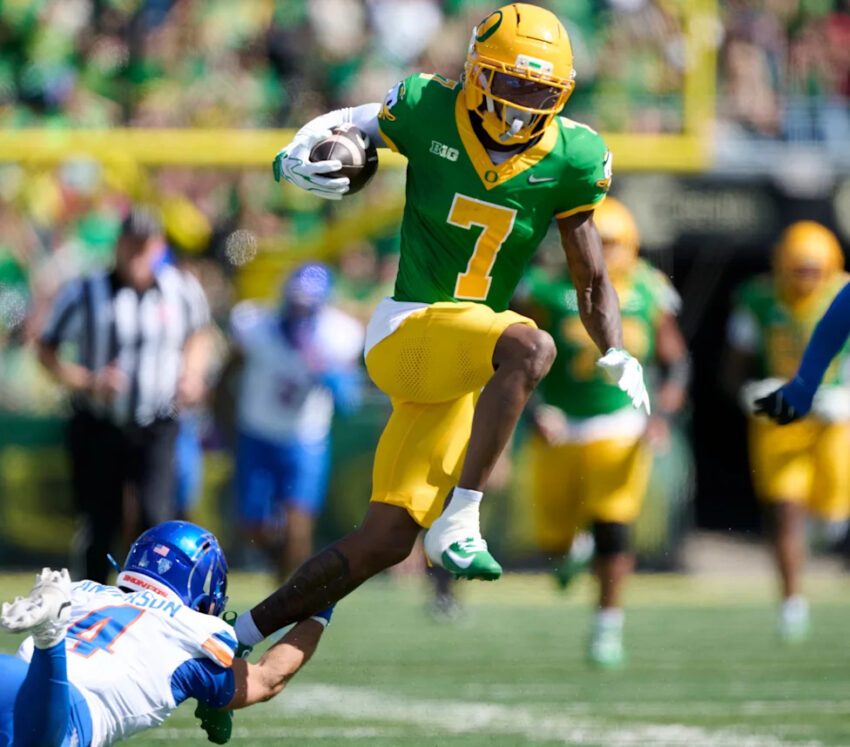
Oregon, meanwhile, needed every bit of its late-game composure to escape an upset bid. The Ducks were pushed to the wire by a lower-tier opponent, and while a win is a win, the near-miss has fueled doubts about whether their offensive line can hold up against the conference's elite pass rushers. Quarterback Dillon Gabriel threw for solid numbers, but the pass protection was inconsistent for long stretches.

The ACC took the biggest reputational hit of the weekend. Clemson, the conference's perennial standard-bearer, was dismantled by Lane Kiffin's Ole Miss squad in a game that wasn't as close as the final score suggested. For a league already fighting for respect in the Playoff conversation, that result was damning.

What makes these results tricky is the tendency to overreact to one week. Michigan's loss came against a quality opponent, and Oregon's struggles could be a wake-up call rather than a trend. But the data from the weekend — blown assignments, missed tackles, stalled drives — is now part of every coach's game film.

The Playoff selection committee will weigh strength of schedule heavily this year, and early non-conference results matter more than ever with the expanded 12-team field. Teams that looked vulnerable in Week 1 have less margin for error, while the ones that won decisively are building résumés early.
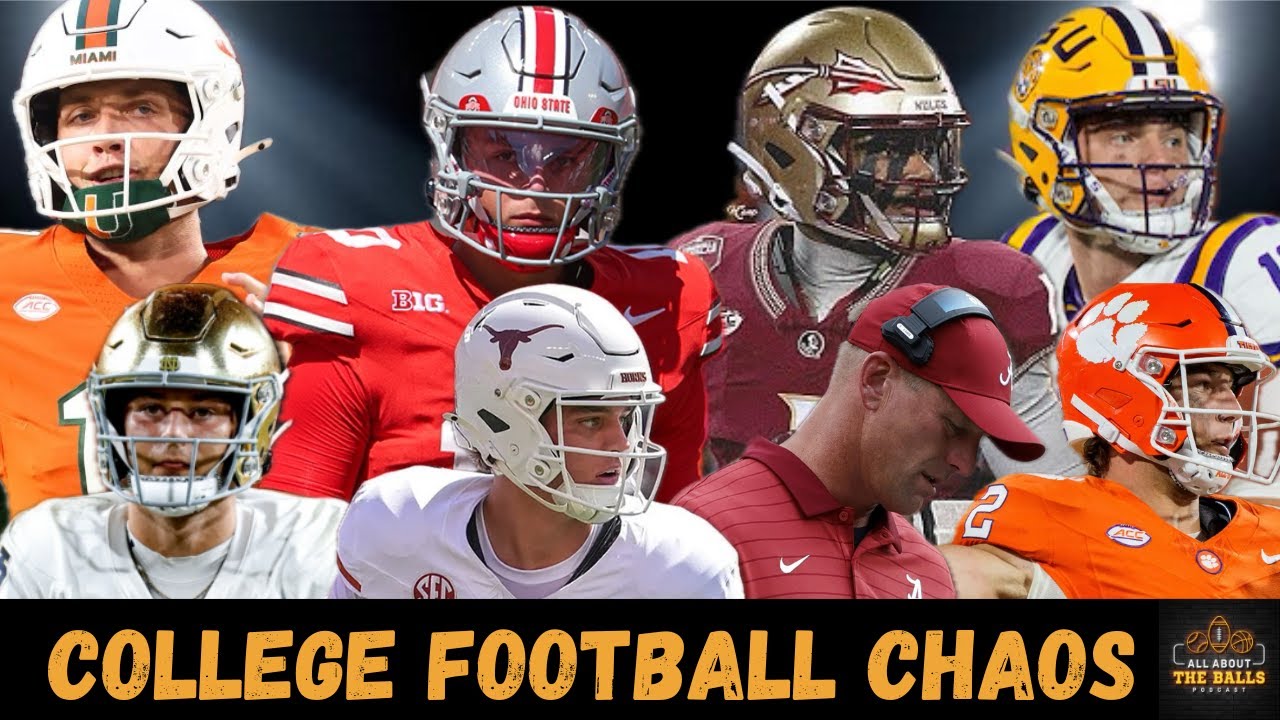
The next few weeks will separate genuine concerns from noise. For Michigan, Oregon, and the ACC's top brands, every snap now carries extra weight. The season is young, but the first impressions are already shaping the national narrative.