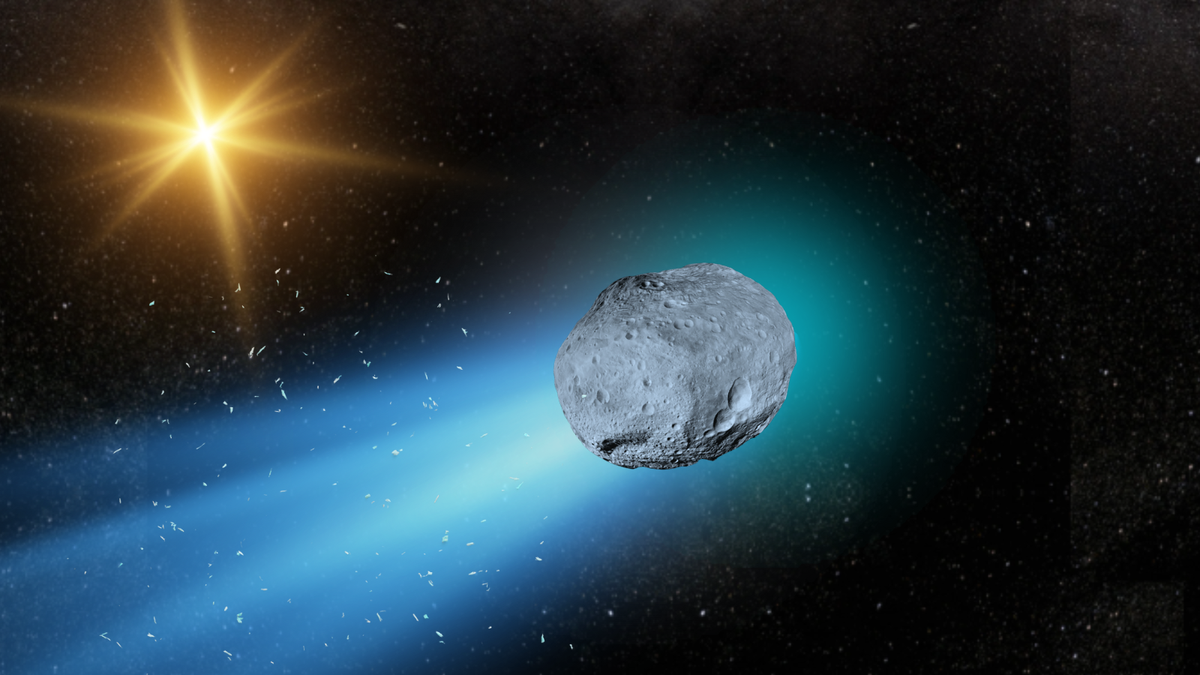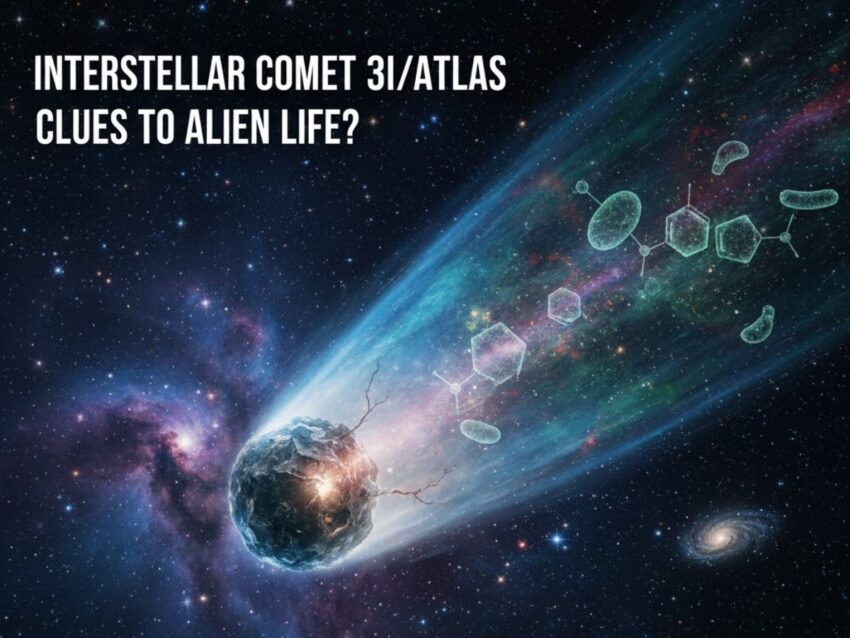
A rare interstellar object known as 3I/ATLAS has given astronomers a fresh look at how comets form in the frozen outskirts of another star system — and it didn't behave like anything we've seen close to home.

The object, only the third interstellar visitor ever confirmed, was spotted in 2025 by the ATLAS survey in Hawaii. Unlike most comets, it showed no clear signs of activity — no bright coma or dusty tail — which immediately set it apart from typical solar system comets. Now, a new study published by a team including researchers from Northumbria University has pieced together where it likely came from.

Their analysis suggests 3I/ATLAS formed in the deep freeze of its home system's outer regions — far from its star, in conditions extremely cold and pristine. The object's composition and physical state hint that it barely changed since its birth, preserving a kind of cosmic snapshot of a distant planetary system's early days.

"We had a visitor from a distant corner of our Galaxy," one scientist noted in coverage of the findings, emphasizing how unusual it is to catch such an object up close. The study's authors also argue that this visitor is not a one-off. They predict that upcoming sky surveys — especially the Vera C. Rubin Observatory — will find many more interstellar comets in the years ahead, turning what was once a rare discovery into a routine one.
The new findings add to a growing picture of interstellar space as a busy place, with objects like 3I/ATLAS traveling between stars more often than previously assumed. But the study also leaves open big questions: how exactly did 3I/ATLAS get kicked out of its home system? And what does its pristine state tell us about the diversity of planetary systems across the galaxy?

For now, researchers are waiting on more data — and hoping the next interstellar visitor arrives before we have to wait another decade.