
A new analysis suggests that routine blood tests—already common in annual physicals—might contain hidden clues to colorectal cancer risk in adults under 45, potentially opening the door to earlier detection in a group that currently falls outside standard screening guidelines.
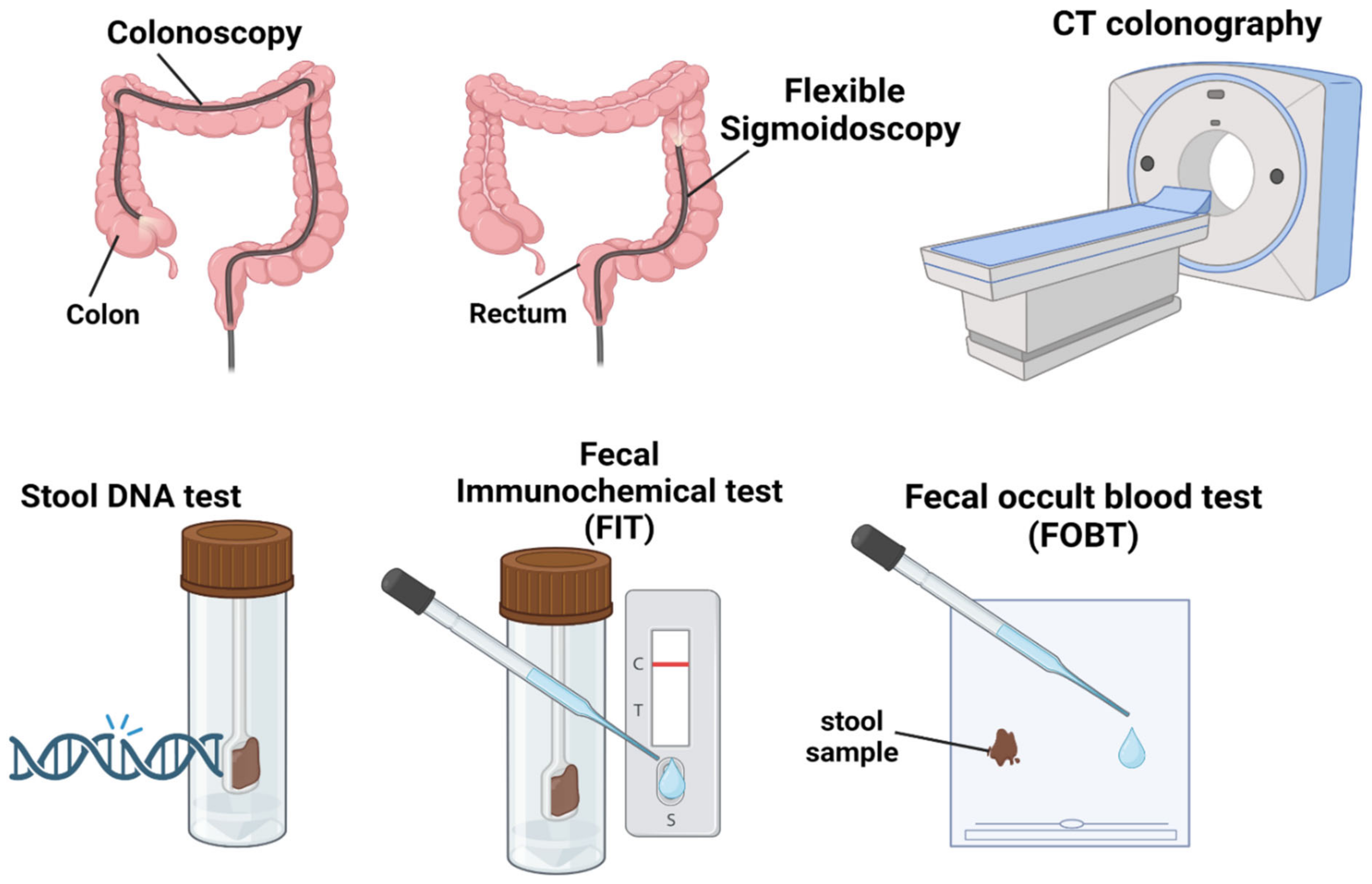
The findings, first reported by CNN, point to specific abnormalities in standard bloodwork that could signal an elevated risk of colorectal cancer years before symptoms appear. While the research is still in its early stages, experts say the implications are significant: colorectal cancer has been rising among younger adults in the U.S., yet most people under 45 are not routinely screened.

Currently, the U.S. Preventive Services Task Force recommends colorectal cancer screening starting at age 45 for average-risk adults. But incidence rates among people in their 20s, 30s, and early 40s have been climbing for years, leaving a gap in early detection.
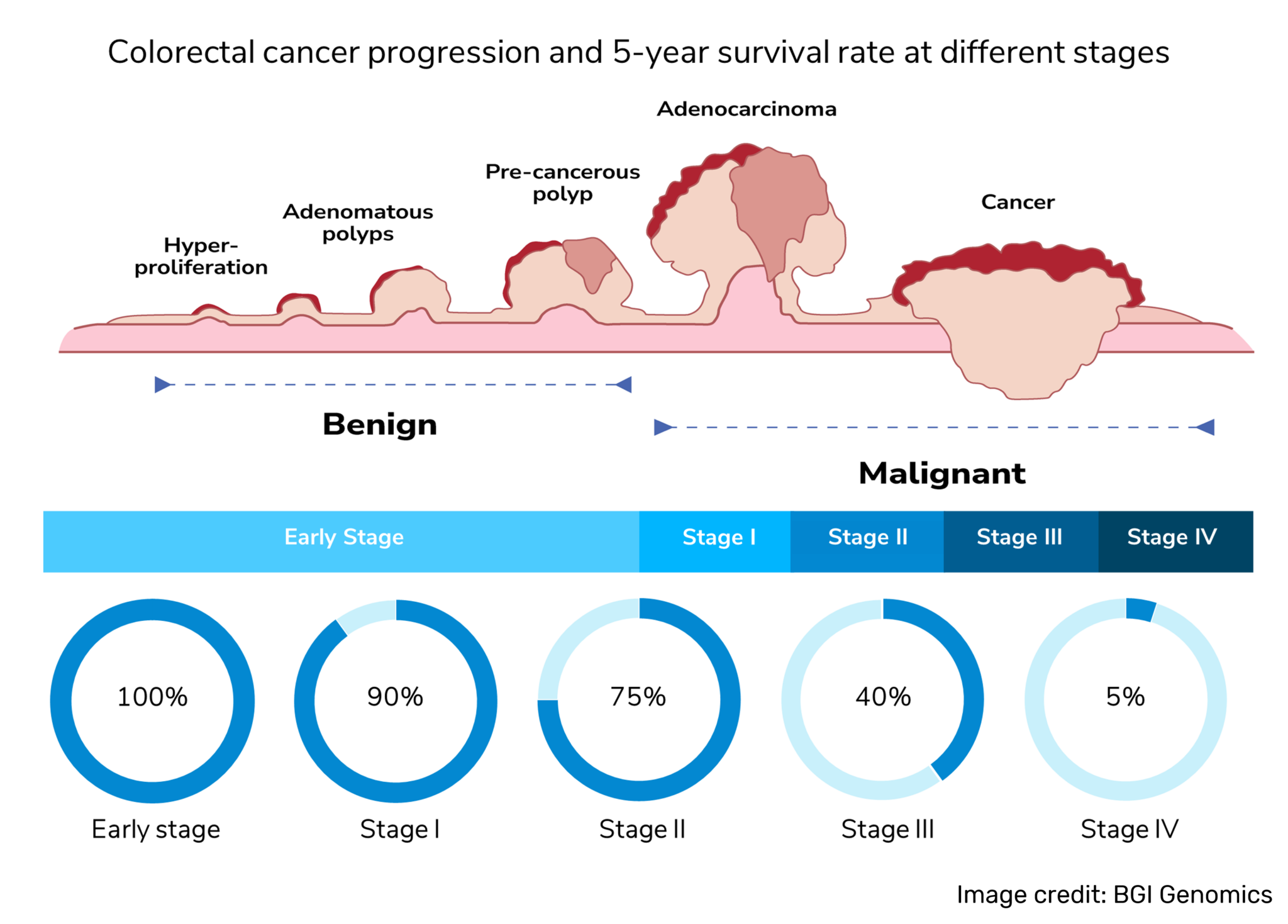
The new research focuses on patterns in routine blood test results—such as levels of red blood cells, platelets, and other markers—that might correlate with undiagnosed colorectal cancer. If validated, these clues could help doctors flag patients who need earlier or more frequent screening, without adding expensive or invasive procedures.
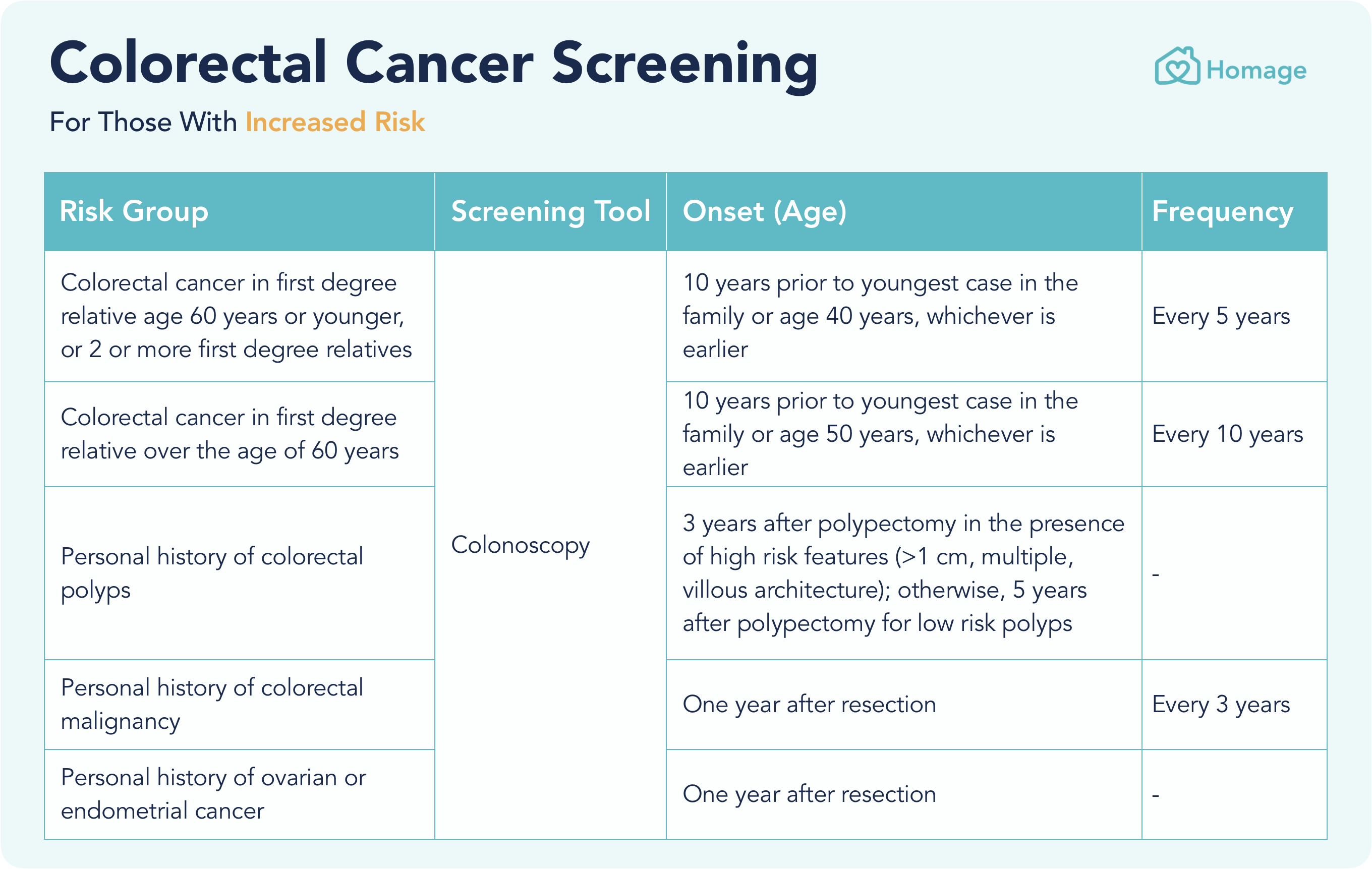
Gastroenterologists and primary care physicians involved in the discussion caution that the findings are preliminary and not yet ready for clinical use. Still, they describe the potential as promising, especially for younger patients who often dismiss early symptoms or whose concerns are overlooked because they are deemed too young for colon cancer.

For now, the message from researchers is clear: more studies are needed to confirm which blood test patterns are most predictive and how to act on them safely. In the meantime, they stress that anyone experiencing persistent digestive issues—such as changes in bowel habits, blood in stool, or unexplained weight loss—should talk to a doctor, regardless of age.

The next step is validating these clues in larger populations, and if confirmed, they could become a low-cost first line of defense in catching colorectal cancer earlier in younger adults—a shift that many in the medical field say is long overdue.