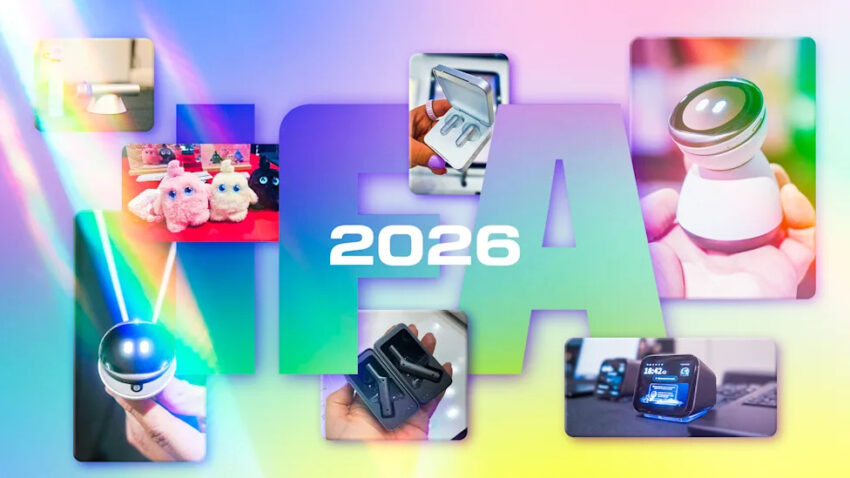
Walk into any electronics store in 2026 and you'll see it: shelves stacked with AI-powered gadgets that don't look like computers at all. A pendant that summarizes your meetings. A tabletop device that plans your meals. A robot that follows you around the house to remind you where you left your keys.
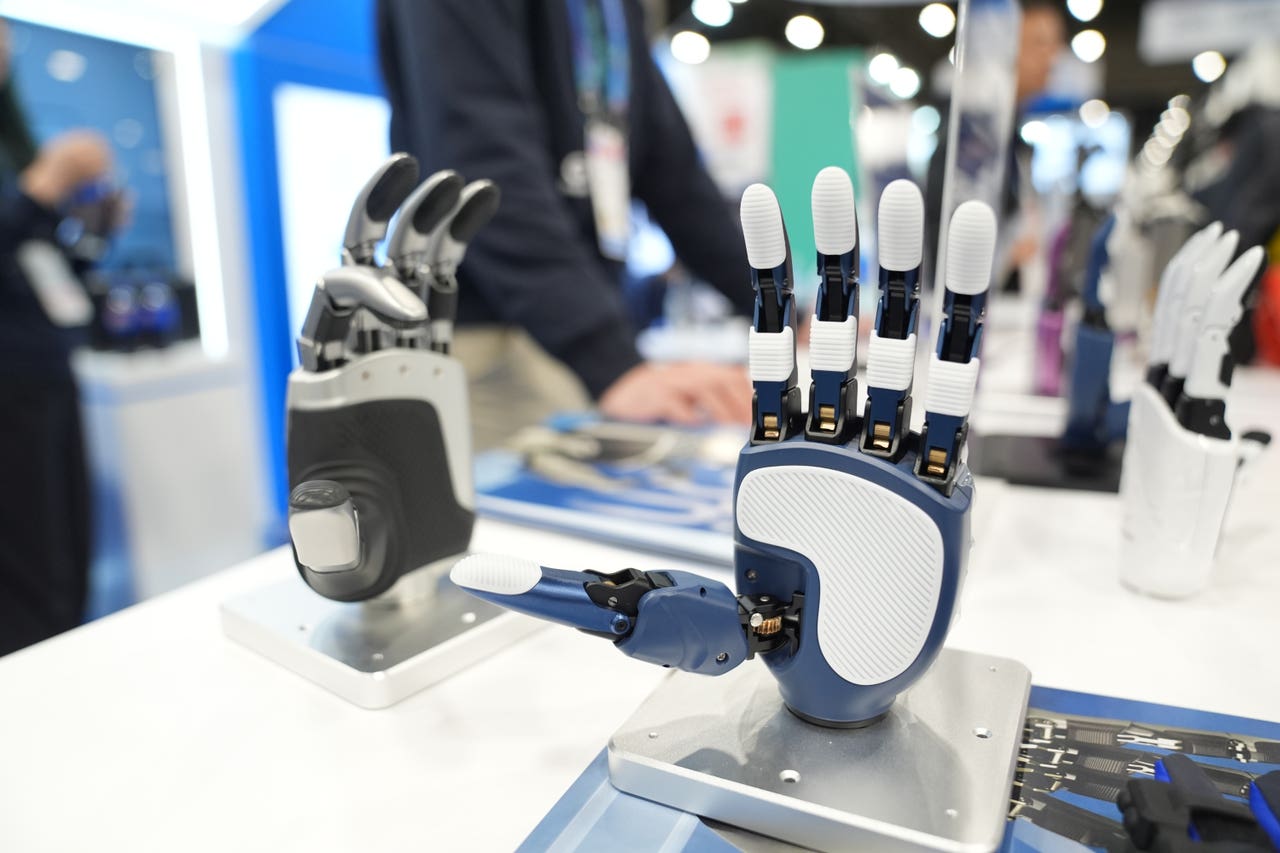
The AI hardware scene has exploded far beyond the smartphone, and a new roundup from Gadget Review lists 19 of the most practical devices to hit the market this year. CNET similarly reports that the category is booming, while Analytics Insight highlights 10 screenless gadgets that are quietly changing how consumers interact with technology.
What's striking isn't just the variety — it's the form factors. Many of these devices have no display at all. They rely on voice, gesture, or even just ambient presence. That marks a real departure from the touchscreen-first design that has dominated consumer tech for nearly two decades.
Some of the most talked-about products in the roundup aren't from the usual suspects. They're from startups that few people had heard of a year ago. Others come from established companies testing whether they can move beyond the phone without losing their audience.

The range is enormous. On one end are practical wearables that track health with new precision. On the other are playful tabletop trinkets that feel more like conversation pieces than tools. The common thread: each device packs a dedicated AI chip, which means processing happens on-device rather than in the cloud — a shift that promises faster responses and better privacy.

Industry watchers say the boom is being driven by falling chip costs and a new generation of lightweight AI models that can run on small hardware. The result is a wave of products that would have been technically impossible just a few years ago.

That doesn't mean every gadget is a winner. Analysts note that plenty of these devices will end up in drawers within a month. But the sheer volume of experimentation suggests something bigger: the industry is testing where AI actually belongs — and consumers are voting with their wallets.
The next 12 months will likely separate the gimmicks from the essentials. For now, the shelves are full, the prices are dropping, and the question isn't whether AI hardware matters. It's which of these devices will still be around in 2027.