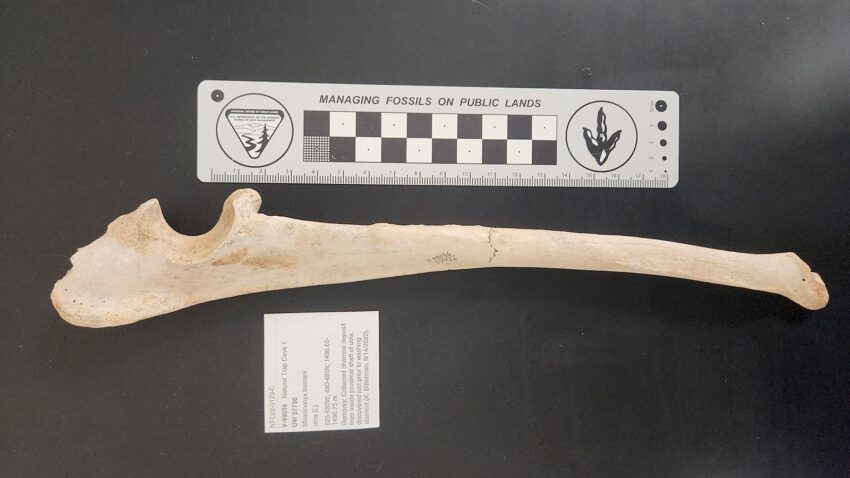
DNA extracted from a prehistoric cat found in Wyoming's caves is rewriting the story of a creature long called the "American cheetah" — and it may also hold clues to conserving modern big cats like cheetahs, lions, and tigers.

A new study, published by researchers analyzing ancient DNA from fossils in Arctic Yukon and Wyoming, reveals that the so-called American cheetah was not actually a cheetah at all. The species, known scientifically as Miracinonyx, was more closely related to the puma lineage than to the cheetahs of Africa and Asia, according to the findings.

The genetic analysis also extended the known range of this Ice Age predator by more than 20 degrees of latitude, thanks to three fossils found in Arctic Yukon. Even more striking, the nitrogen levels in its bones were higher than in any other Ice Age carnivore of the same period and region — a sign that it occupied a unique role at the top of the food chain.
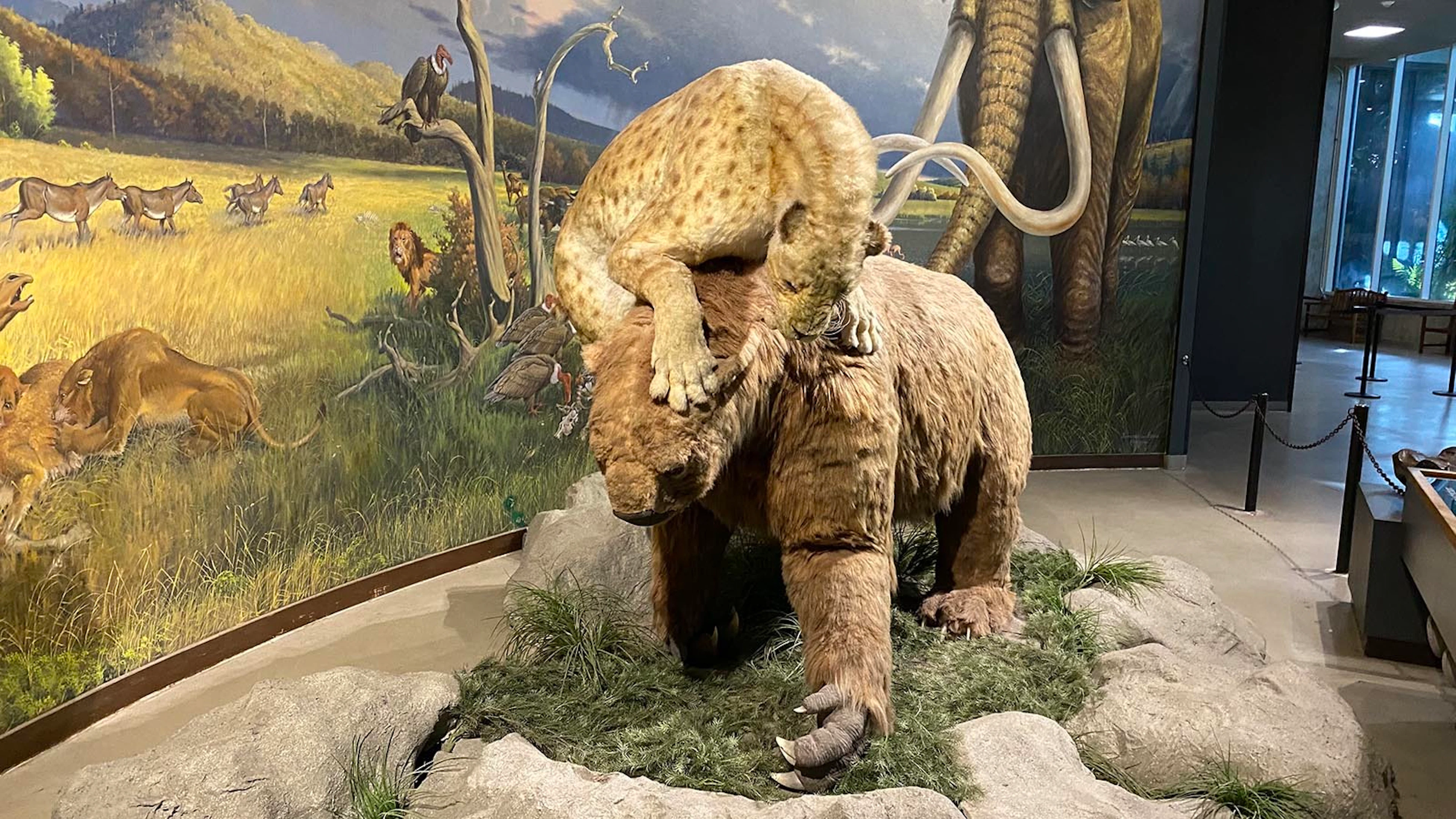
"This animal was a specialist in its own right," the study notes, highlighting how its hunting style and body structure evolved in parallel to cheetahs, not through shared ancestry but through convergent evolution — a process where unrelated species develop similar traits under similar pressures.

What makes this discovery more than a history lesson? The study's authors suggest that understanding the American cheetah's genetic diversity and adaptations could inform conservation strategies for modern big cats facing habitat loss and genetic bottlenecks.

The findings were published in a peer-reviewed journal and have drawn attention from conservation groups, though no direct conservation plan has been announced yet. The research team says more work is needed to understand exactly how these ancient genes could be applied today.

For now, the prehistoric cat of Wyoming is no longer just a mysterious fossil — it's a potential resource for protecting some of the world's most endangered predators.