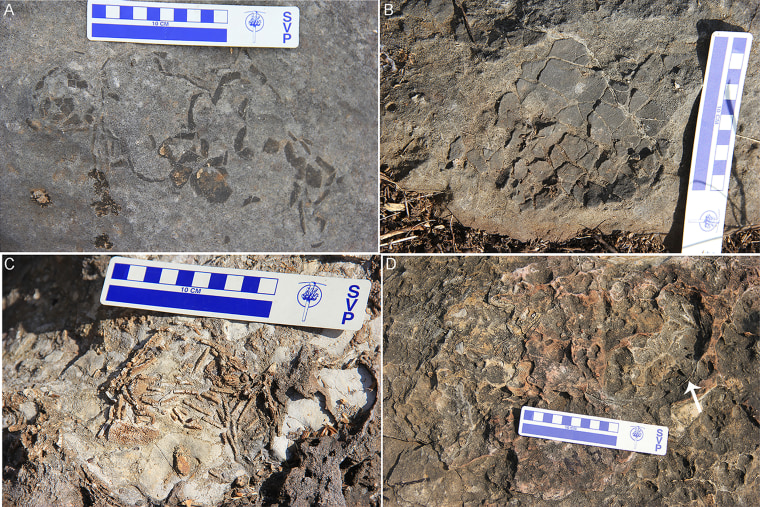
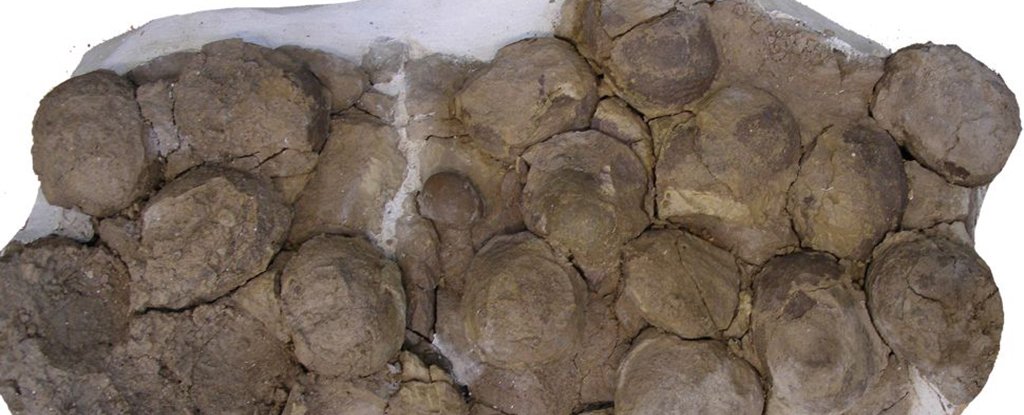
Fossilized eggs belonging to titanosaurs — the largest dinosaurs ever known — have been discovered in a location that challenges long-held assumptions about where these giants could reproduce.
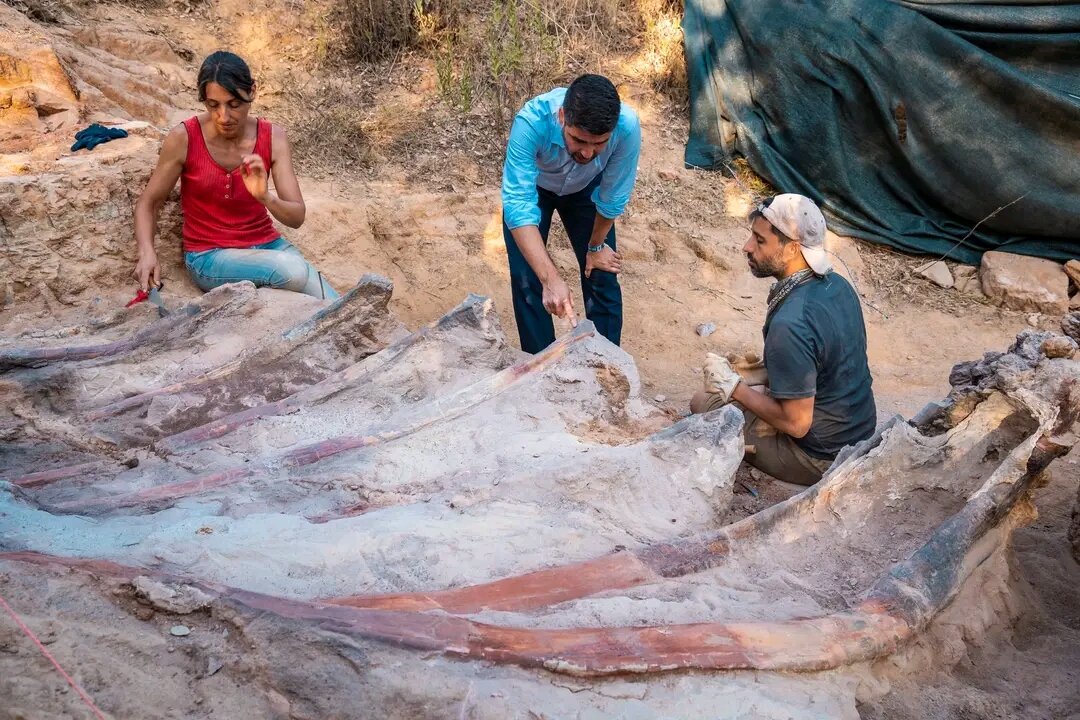
The find, announced by an international research team that includes Canadian scientists, marks the highest-latitude sauropod nests ever recorded. Until now, experts believed titanosaurs needed warm, tropical climates to incubate their young.
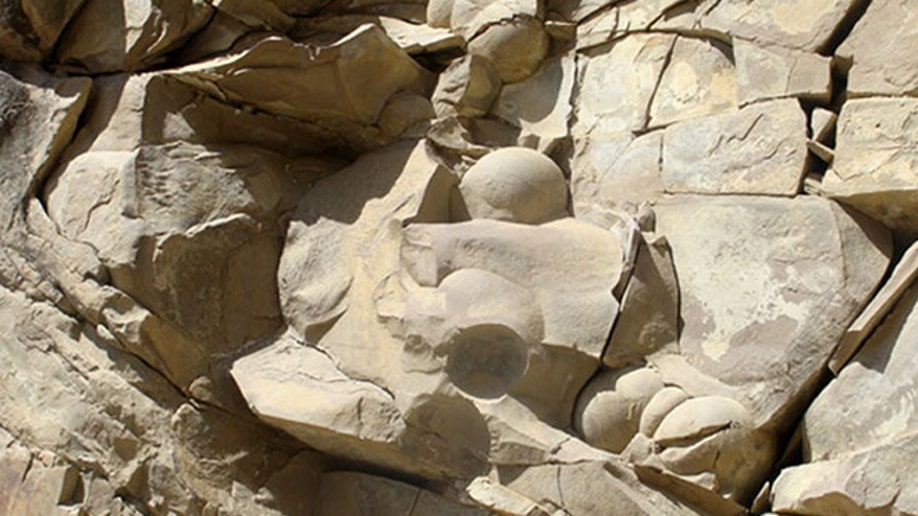
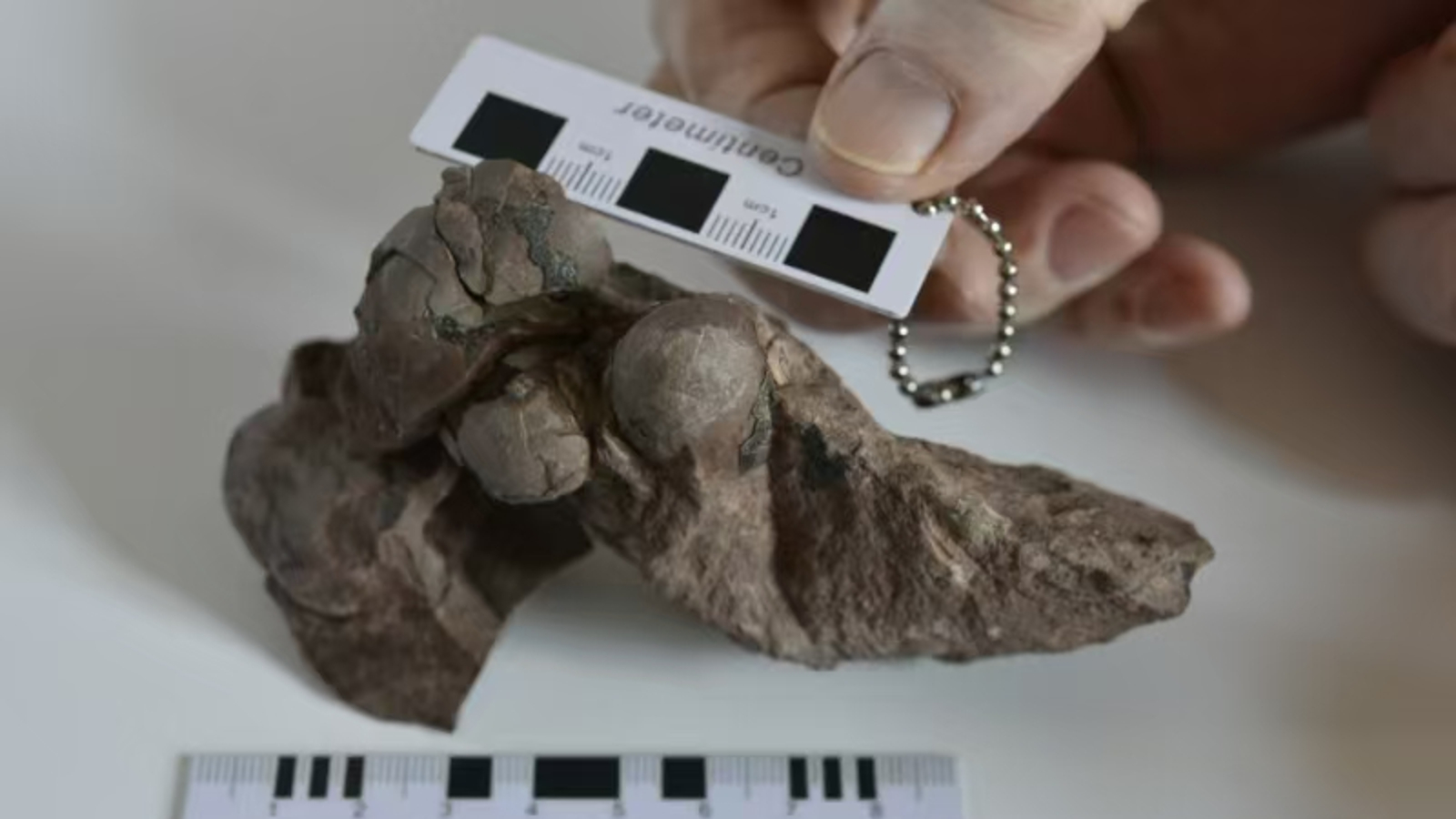
The newly unearthed eggs suggest otherwise. The team proposes that the dinosaurs may have used rotting vegetation to generate heat for their nests, allowing embryos to survive in cooler environments far from the equator.
“This changes the picture of how these animals spread across the planet,” said one researcher involved in the study, though the team cautioned that the interpretation is still under review.
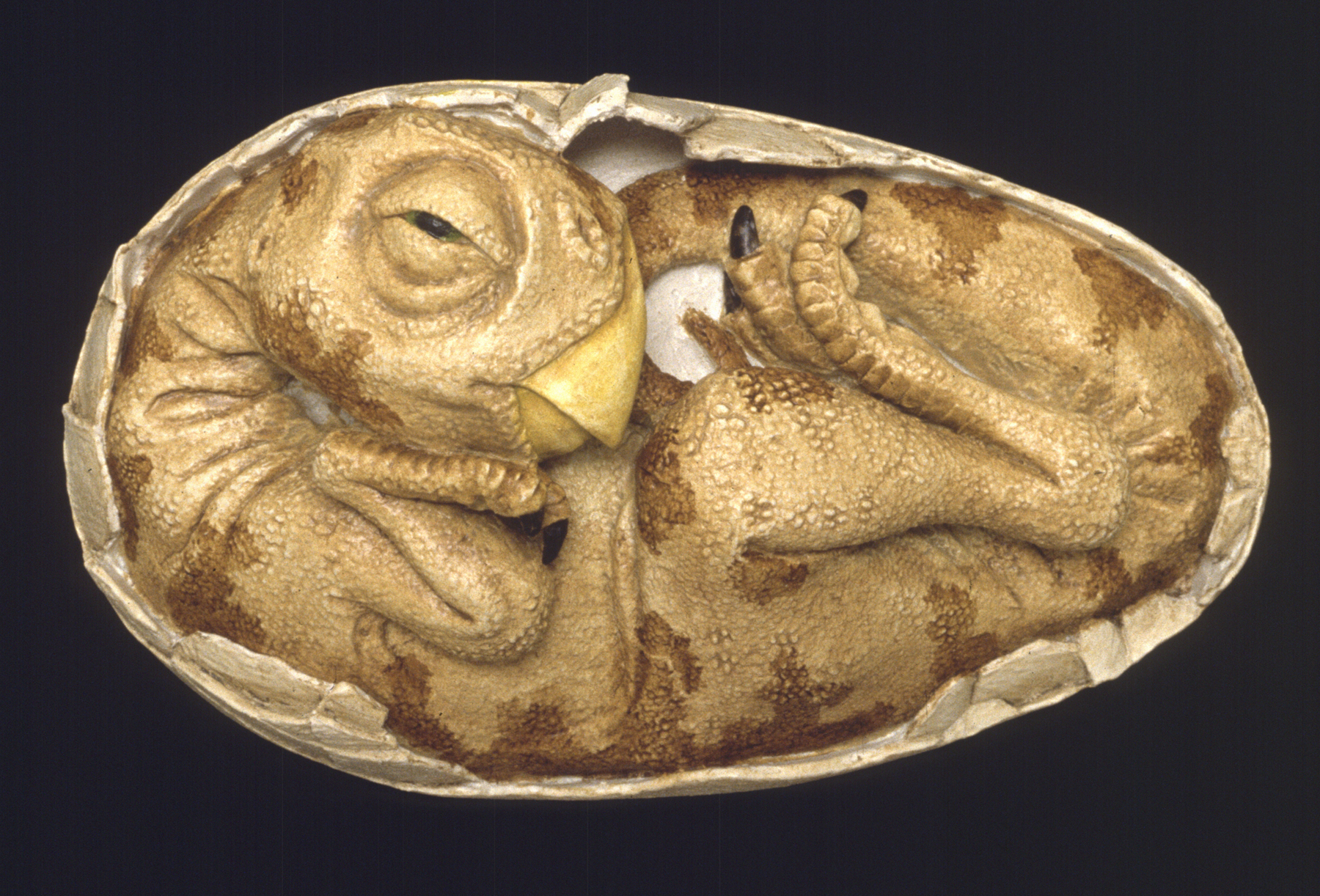
The discovery also raises new questions about titanosaur migration patterns and their ability to adapt to diverse climates. If they could nest in colder regions, their range may have been far broader than previously estimated.
While the study is still in its early stages, paleontologists say it could lead to a rethinking of dinosaur reproductive strategies. The findings were published in a peer-reviewed journal and have sparked discussion among researchers worldwide.

As the team continues to analyze the fossil site, they hope to uncover more details about how these ancient reptiles raised their young. For now, the discovery stands as one of the most significant in recent paleontological history.