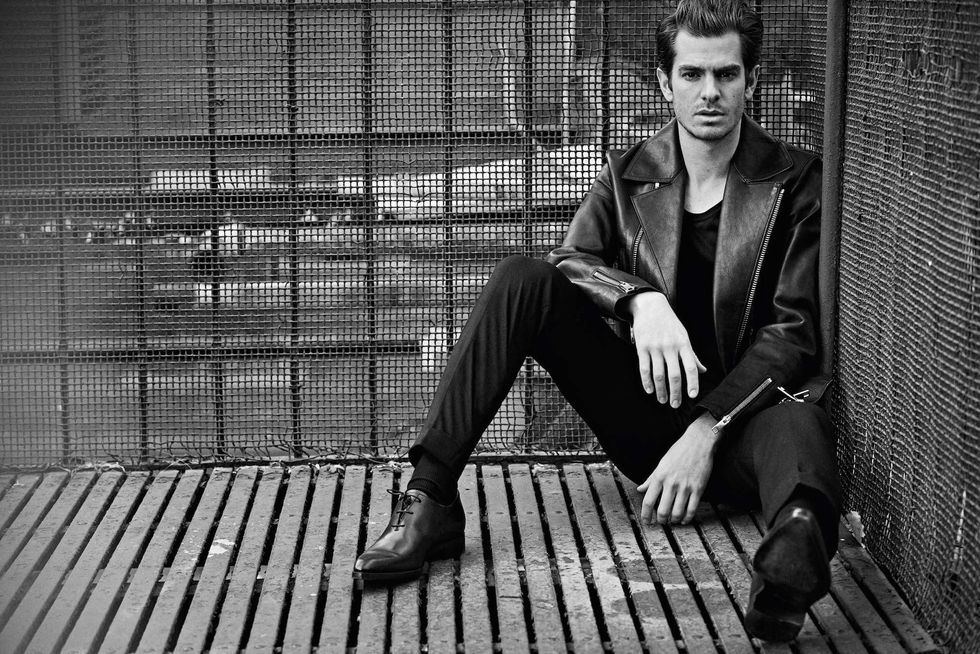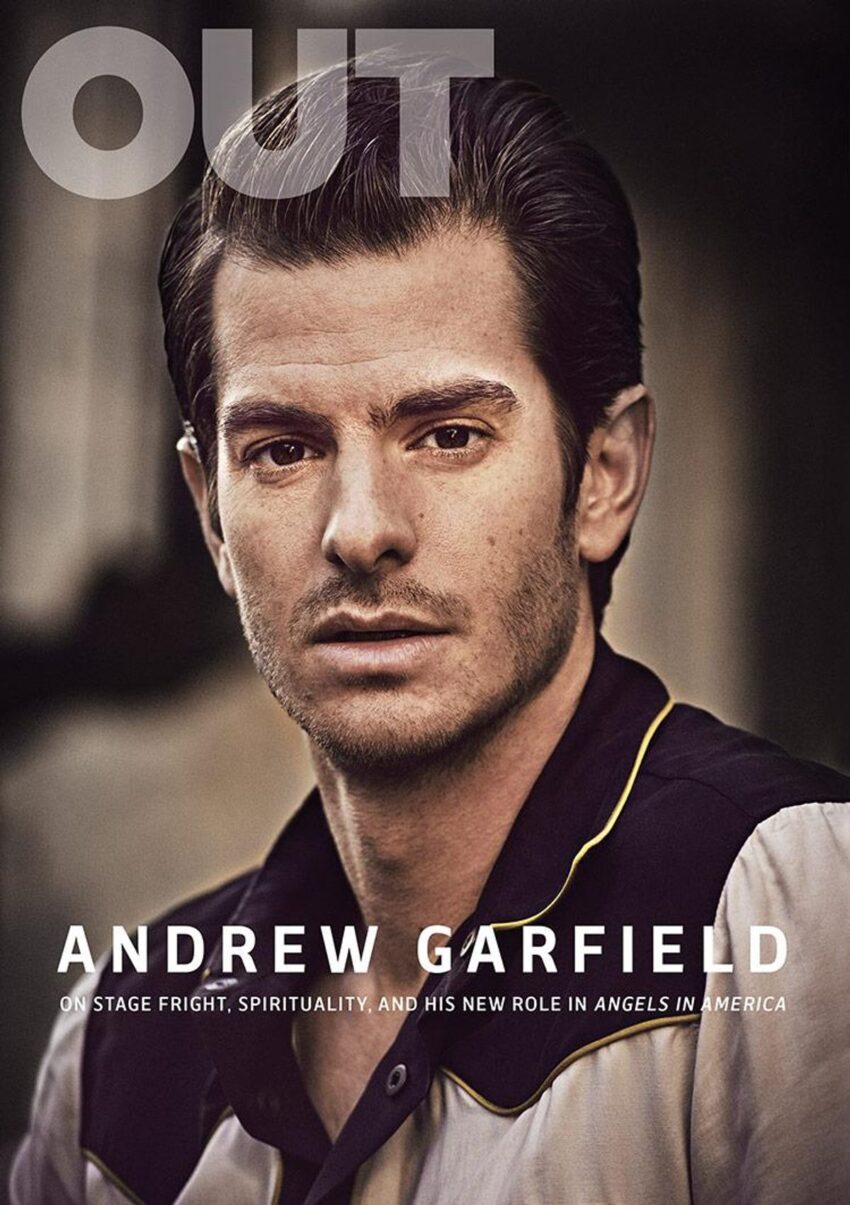
Andrew Garfield’s new film 'The Uprising' is not a typical medieval war picture. Directed by Paul Greengrass, the historical epic casts Garfield in a story built around rebellion, class conflict, and the murky line between righteous defiance and destructive chaos. It pits him against King Richard II, and critics so far describe the result as ambitious, uneven, and unusually interested in the spiritual lives of its characters.

That last part is no accident. In interviews tied to the film’s rollout, Garfield has repeatedly circled themes that go far beyond standard promotional talk. He has spoken openly in the past about his own relationship with faith, and those closest to the production say he brought that personal weight directly into the performance.
Early reviews are split. The Guardian called it a "muddled historical epic" while noting the sincerity of its aims. The Boston Globe framed it as a direct confrontation between Garfield’s character and the king, and Deadline praised the scale of Greengrass’s direction even where the script strains. Audiences expecting a clean hero’s journey may be unsettled by what the movie actually does with its lead.
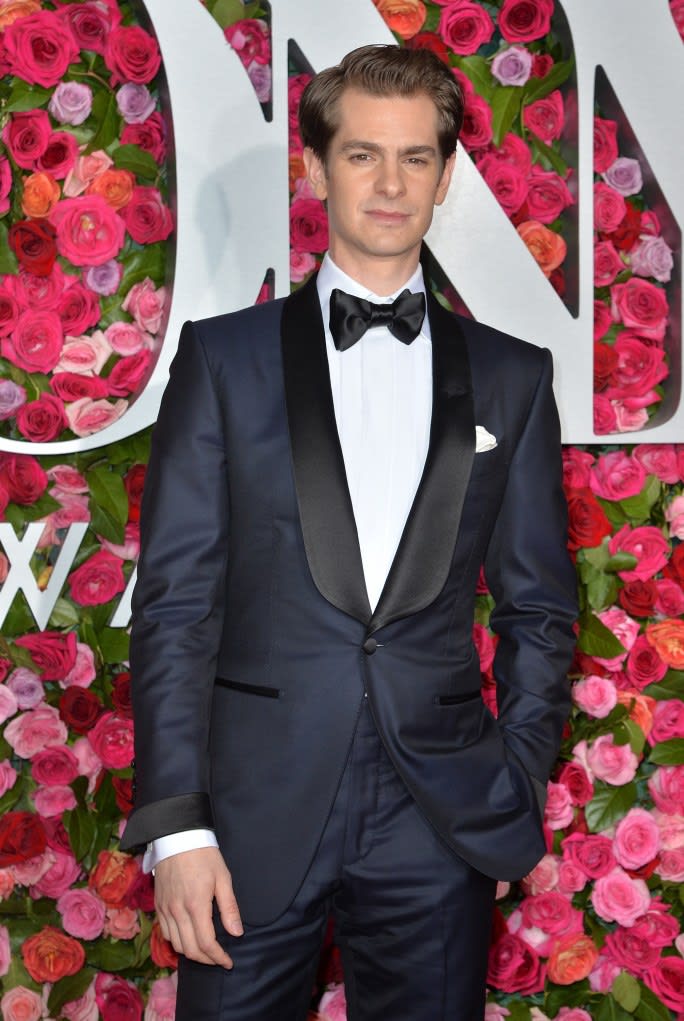
The film sits in a broader pattern for Garfield, who has moved between blockbuster roles and passion projects. 'The Uprising' appears designed to split the difference: big canvas, intimate questions. Whether it works as entertainment is still being debated. Whether it reveals something about Garfield himself seems far less in doubt, and that may be the real reason to watch.