The Ebola outbreak in the Democratic Republic of the Congo has officially become the largest in the country's history, with more than 6,600 confirmed cases — and health officials now warn it carries the potential to become a global pandemic if current gaps in the response are not addressed.
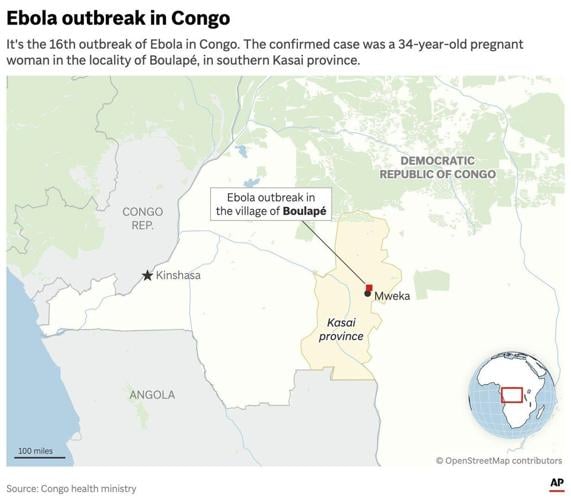
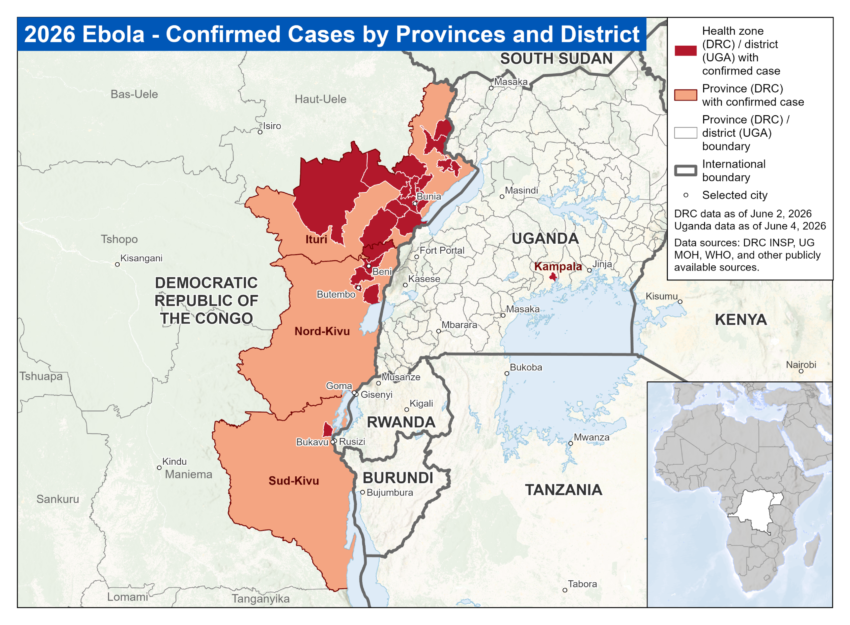
The outbreak, centered in the eastern provinces of North Kivu and Ituri, has been spreading steadily despite an influx of money, vaccines, and international personnel. A report from NBC News describes the epidemic as "outpacing containment," with case numbers continuing to climb in areas where insecurity and community mistrust have made access difficult for health teams.

The World Health Organization has cited staffing shortages and funding challenges as major obstacles. According to Reuters, WHO officials say they do not currently have enough trained responders on the ground to trace contacts and vaccinate fast enough to break transmission chains. The UN World Food Programme has also warned that the response must include food assistance, noting that hunger is pushing some communities to resist public health measures or avoid seeking care.

The stakes extend beyond central Africa. In a commentary published by The Conversation, infectious disease experts argue that the outbreak meets many of the criteria for a potential pandemic — including sustained human-to-human transmission and movement of infected people across borders. They stress that the window to act is narrowing.
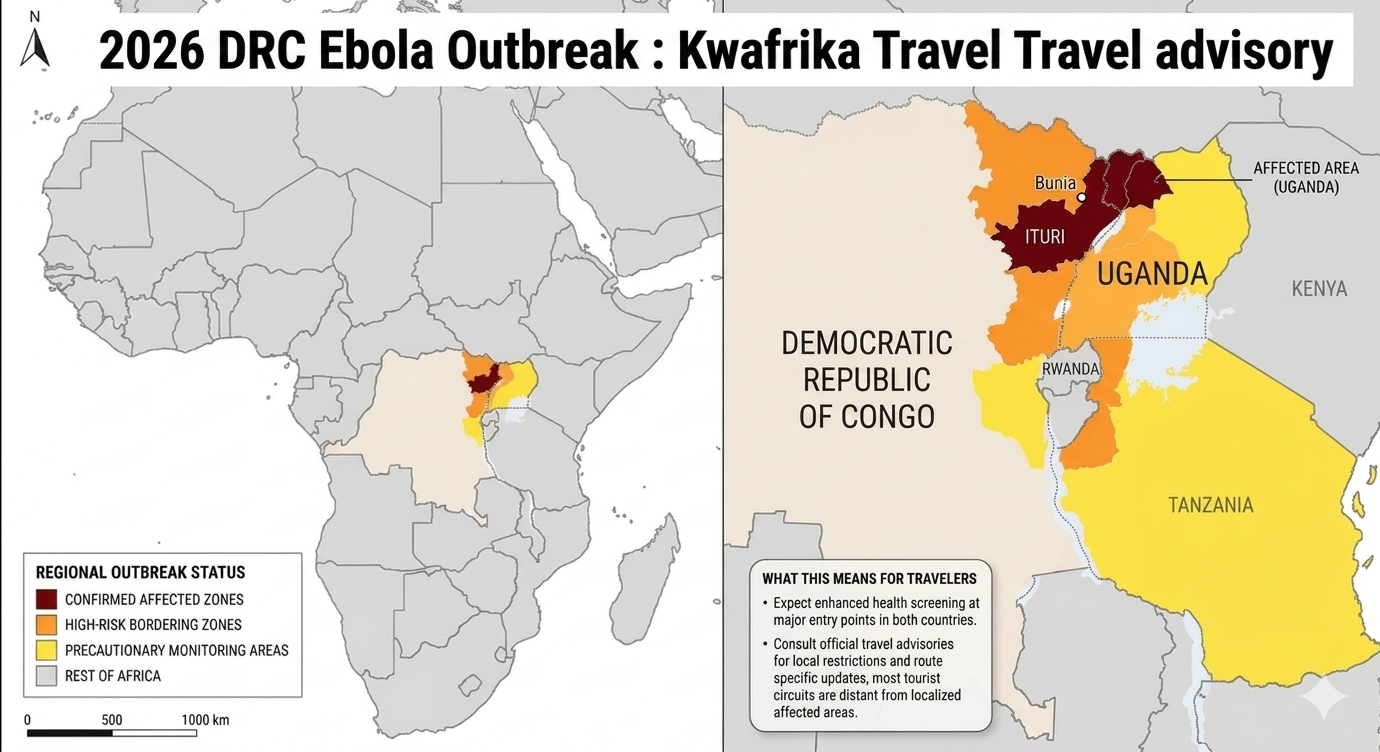
What makes this outbreak different from previous Ebola flare-ups is its location. The eastern DRC shares borders with Rwanda, Uganda, and South Sudan, and the region is marked by active conflict, making traditional containment strategies far harder to implement. Health workers have faced attacks, and some communities remain skeptical of outside responders.

International health agencies have repeatedly called for more predictable funding and a surge in trained staff, but pledges have been slow to materialize compared with the pace of the outbreak. The question now is whether governments and global health bodies will commit the resources needed before the virus moves beyond the region's borders.