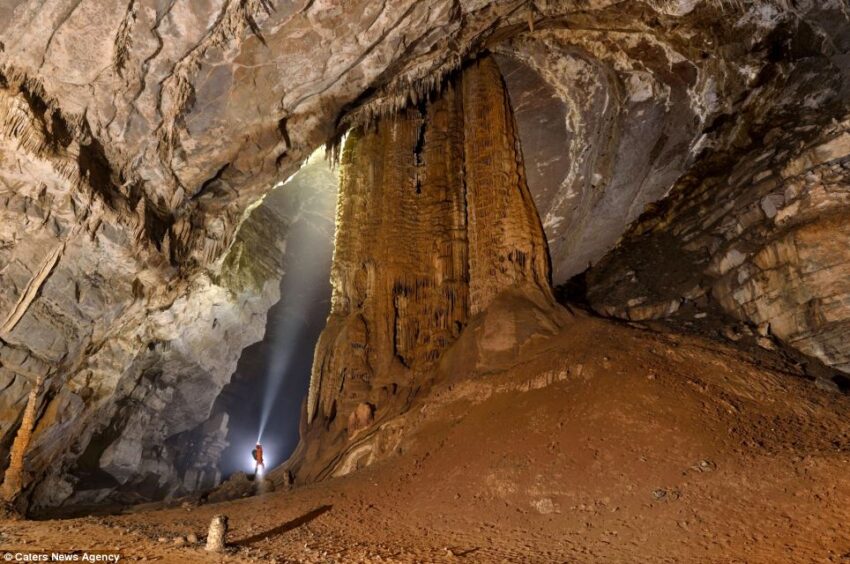
A team of researchers working in a cave on the Tibetan plateau has uncovered what appears to be the first known arm bone of a Denisovan — a discovery that pushes back the timeline of this mysterious human relative and reshapes how scientists think they lived.

Fragments of the bone, along with a rich collection of stone tools and animal remains, were found in Baishiya Karst Cave in Gansu Province, China. The site gained international attention in 2019 when a jawbone from the same cave was identified as Denisovan, making it the first evidence of these hominins outside Siberia’s Denisova Cave.

The new arm bone, reported in a study published on [Date], was recovered from layers dated to roughly [120,000–100,000] years ago, according to the researchers. While the bone alone doesn't reveal much about appearance, its context does: the team also uncovered thousands of animal bone fragments with cut marks from stone tools, suggesting Denisovans were actively butchering prey in the cave.
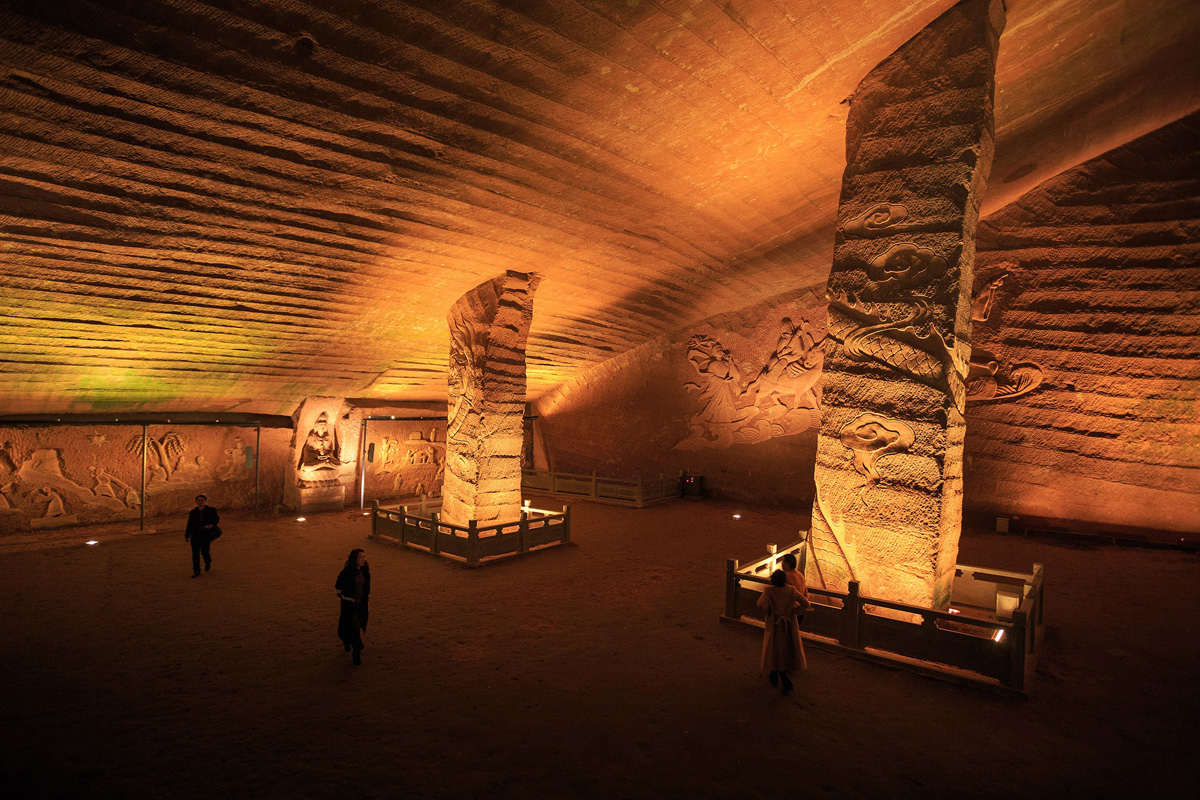
The tools themselves — many made from local stone — show a level of skill and adaptation that challenges older assumptions about Denisovan capabilities. Previously, most of what scientists knew about Denisovans came from DNA recovered in Siberia, hinting they interbred with modern humans and Neanderthals. Now, this site offers something DNA can't: physical evidence of behavior.
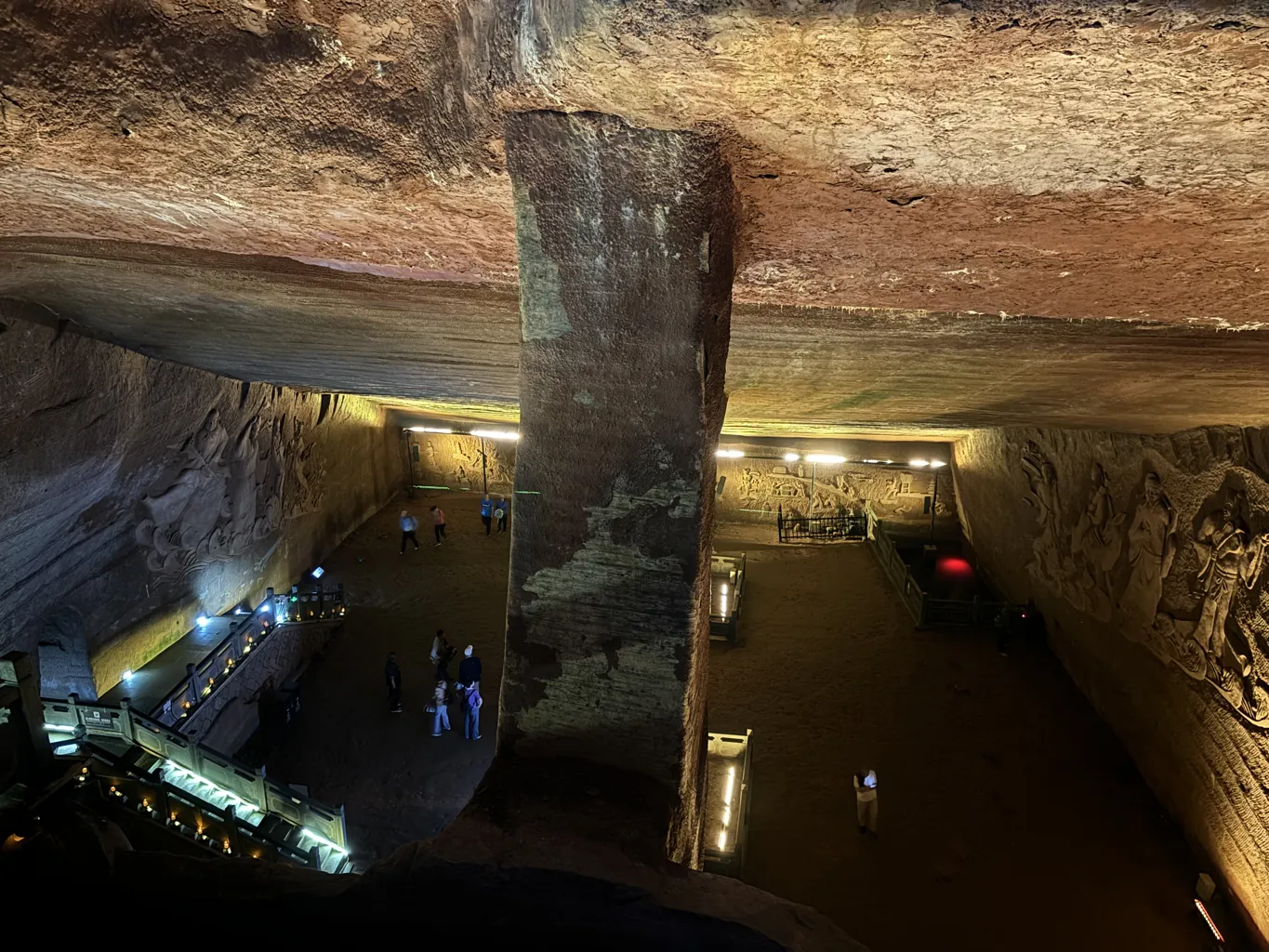
The implications stretch far beyond the cave walls. Denisovan DNA found in modern populations—particularly in Tibetans, who carry a gene variant that helps them survive low-oxygen environments—suggests these ancient relatives may have called the high-altitude plateau home for millennia.

Researchers involved in the excavation say more analyses are on the way, including attempts to extract ancient proteins from the bone fragments. Each new piece, they note, brings us closer to picturing a hominin that has long been more ghost than presence in the human story.
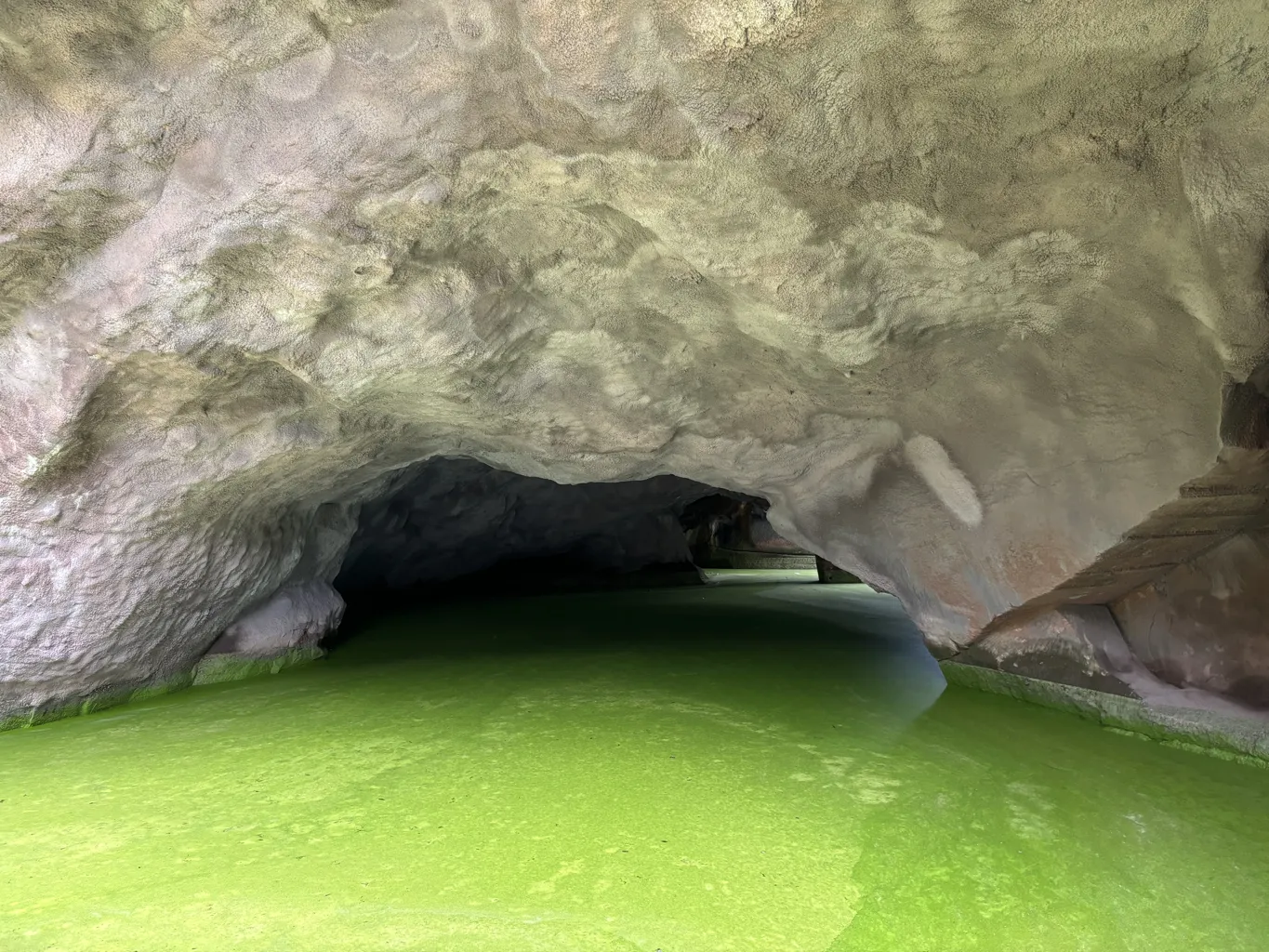
For now, Baishiya Karst Cave stands as one of the most important windows we have into a group that left barely a whisper in the fossil record—until they started showing up in the most unexpected places.