Suno, the AI music startup that let anyone generate a song from a text prompt, has replaced its underlying AI models with a new version trained exclusively on licensed music. The move comes as the company faces a pileup of copyright lawsuits from major record labels.

The new models were built through partnerships with Warner Music and BMG, and Suno says they rely only on music that rights holders have authorized. It's a significant shift for a company that built its name on scraping the internet for training data — and it lands as the music industry watches closely.

The change means new songs generated on Suno will come from the licensed model. But tracks created with the older, unlicensed model will still remain on the platform, raising questions about what happens to that back catalog.
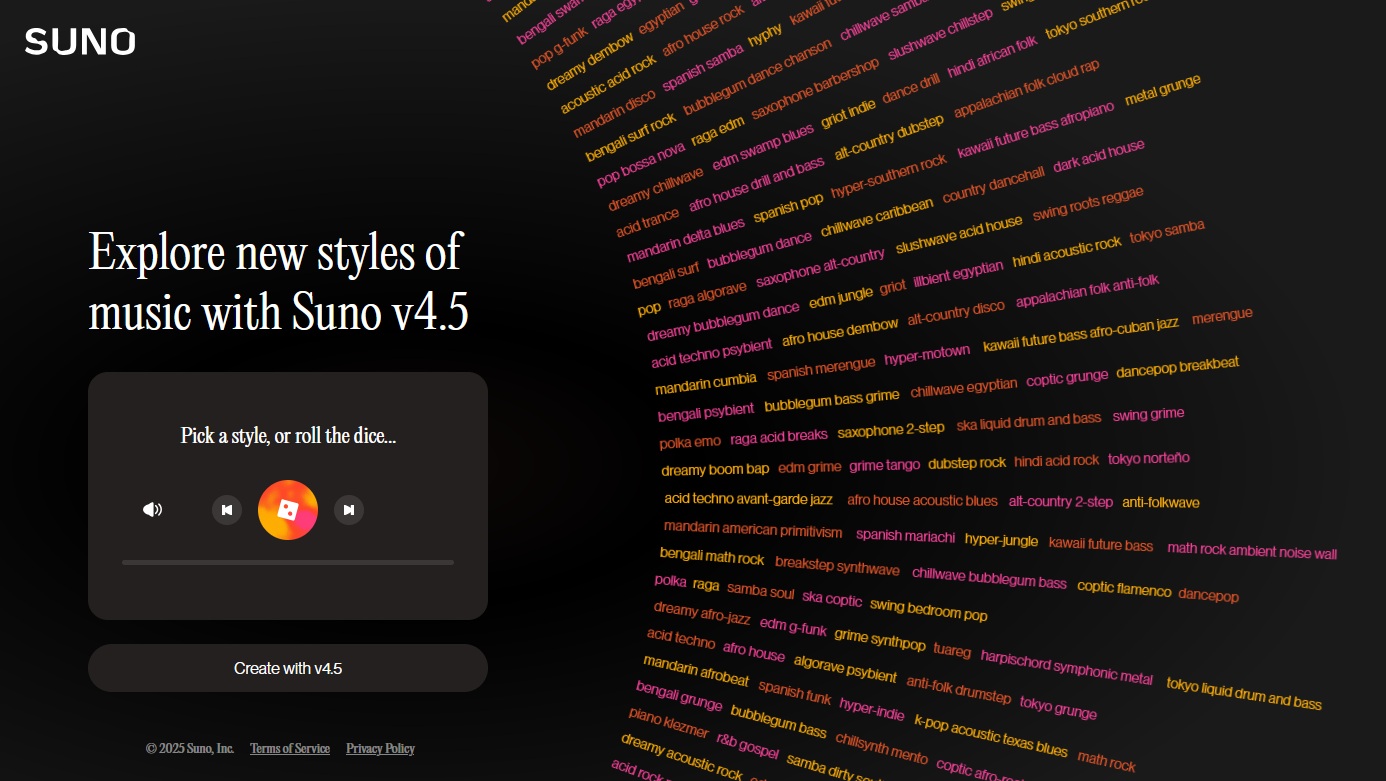
In statements, Warner Music and BMG framed the deal as a step toward paying artists fairly. Suno described it as a "new chapter" in its relationship with the industry. Not everyone is convinced: critics note that the company has not disclosed the financial terms, and some artists argue that licensing past works still doesn't make up for years of unlicensed training.

The legal battles are far from over. Suno is still fighting lawsuits from the Recording Industry Association of America and others over its earlier model. While the new model may ease future disputes, the court cases tied to the old one remain unresolved.

Industry watchers now wonder whether this will become the template for other AI music startups — and whether the promise of a fully licensed future can hold up as the technology keeps racing ahead.
