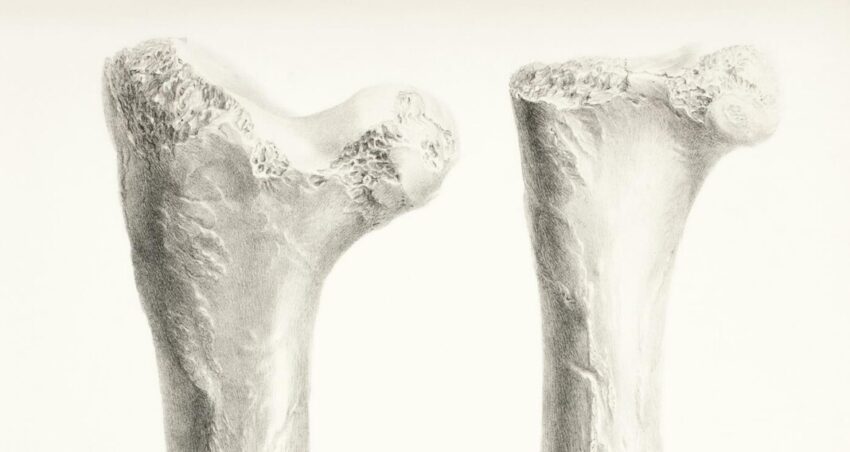
A newly identified molecular switch in bone cells could open the door to treatments that build bone mass from within, rather than just slowing its loss, according to findings published by a research team focused on osteoporosis.

The team reports that turning on this switch in animal models triggered an increase in bone-building activity, offering a potential path toward therapies for a condition that affects an estimated 10 million Americans, with millions more at risk.

Osteoporosis, marked by weakened bones and higher fracture risk, has long been treated with drugs that mostly prevent further breakdown. This discovery takes a different angle: activating a specific signaling pathway that pushes the body to construct new bone tissue.
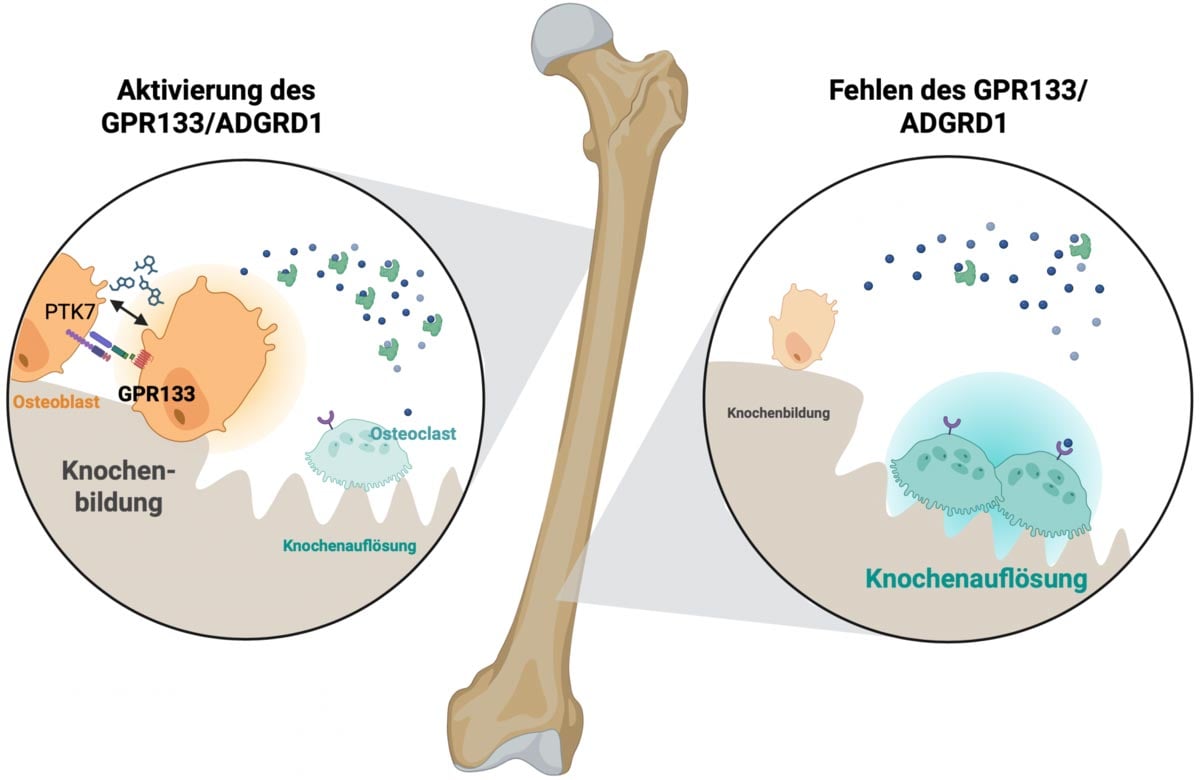
While the results are considered preliminary, researchers say the mechanism appears distinct from existing therapies, which is why many in the field are watching closely.
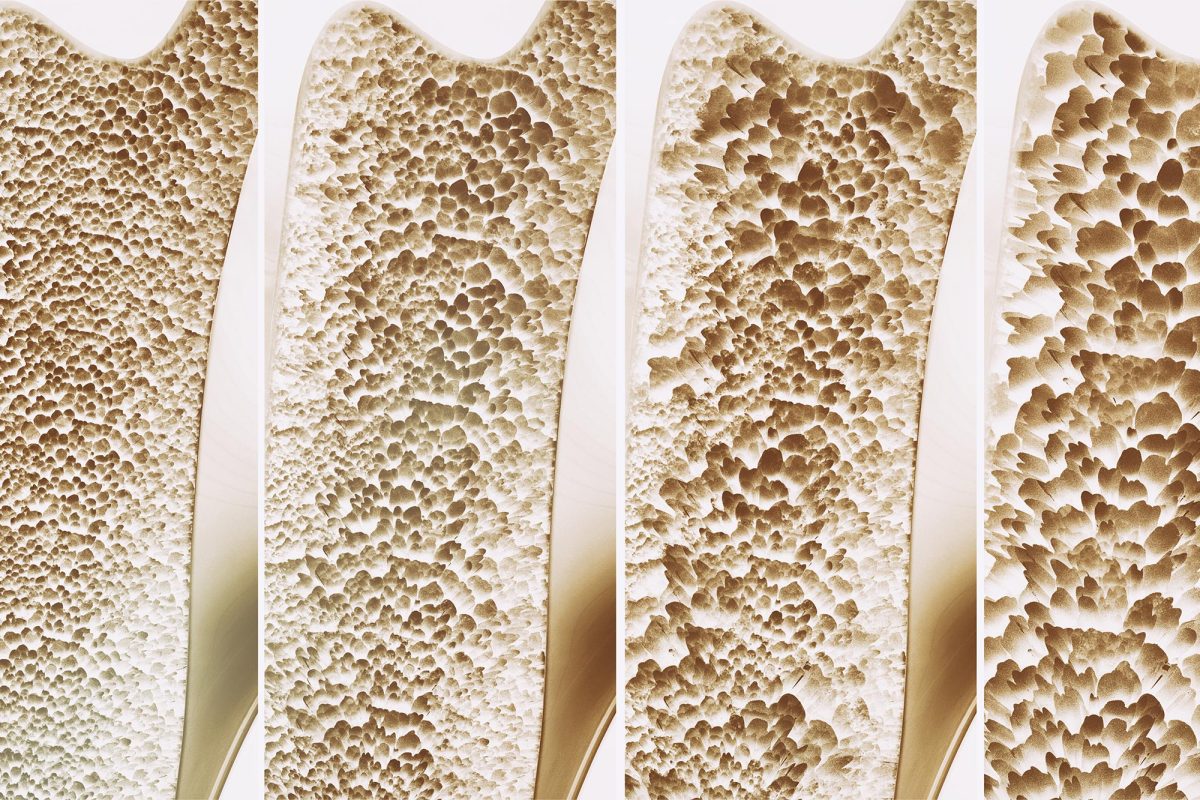
The next phase will involve testing in larger models and eventually humans, a process that typically takes years. If successful, experts say it could represent a meaningful shift for an aging population — a way to restore what time takes, not just stop the slide.

For now, the team is cautious, calling the work an early bridge between basic science and a possible clinic-ready approach.
