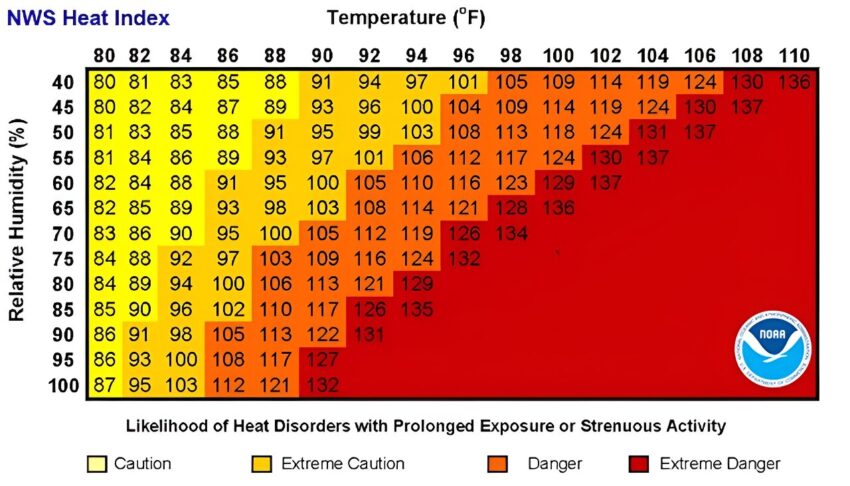
The hottest days of the year are no longer confined to summer. A new analysis finds that dangerously hot conditions are expanding into both spring and fall — and the expansion is roughly symmetrical, with the heat season growing at both ends.
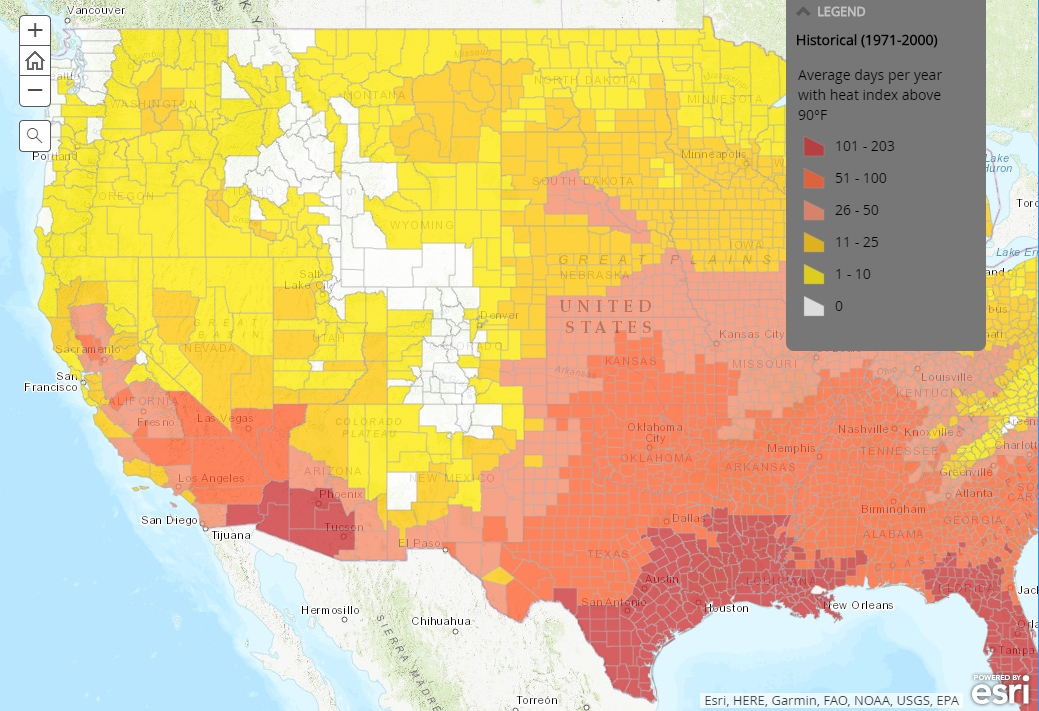
The finding adds a new dimension to a trend scientists have tracked for years: heat waves are not only becoming more intense, they are lasting longer and arriving earlier. What is new here is the symmetry. The shoulder seasons are no longer a buffer.
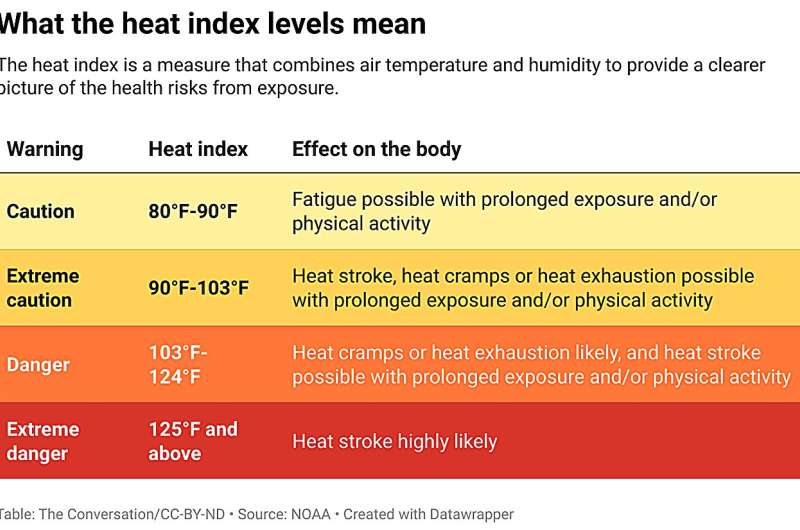
The practical consequences are significant. Spring heat arrives before many cities have activated cooling centers, before schools have adjusted schedules, and before the public has shifted into heat-safety habits. Fall heat lingers after the same systems have stood down.

A separate line of research suggests older adults are far more at risk from rising heat than previously estimated, a concern that grows as the hot season stretches into months that were once considered mild.
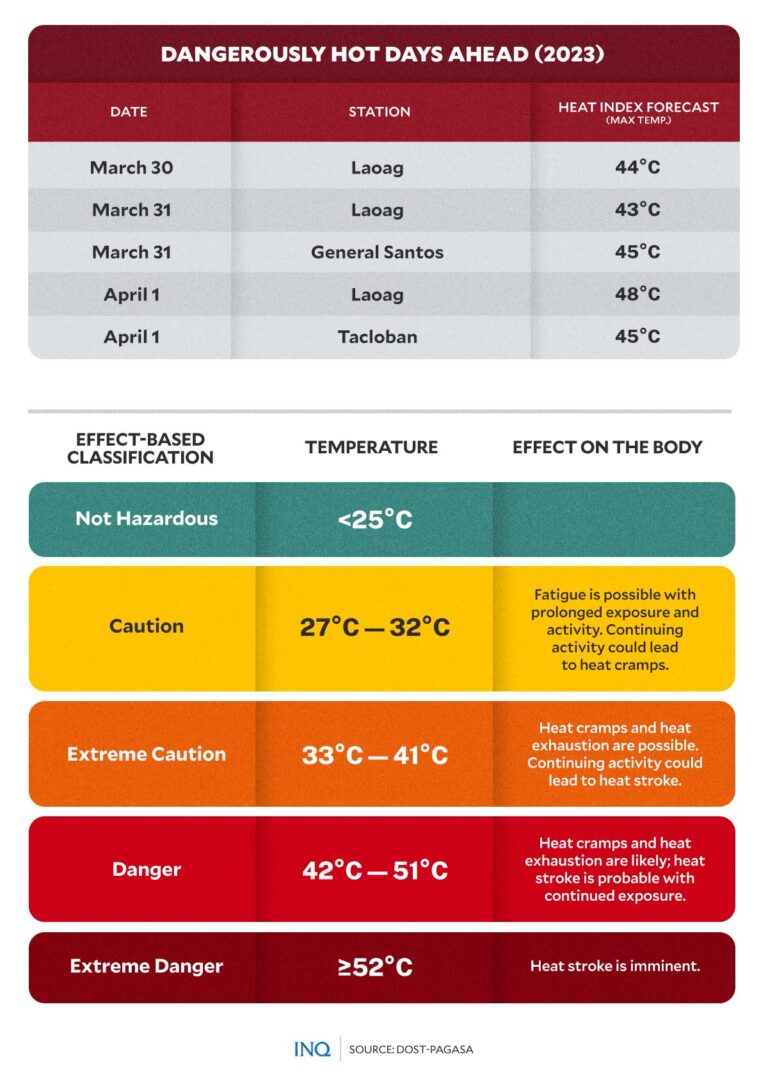
One recent analysis found that heat waves are accelerating faster than global warming overall — meaning the extremes are outpacing the average. That gap is what worries public health officials, because preparedness planning is often built around averages rather than extremes.
The study's regional breakdown, and the specific number of additional dangerous days now falling outside summer, remain the most closely watched details. Researchers say the pattern is consistent across multiple datasets.
What is not yet clear is how quickly cities and states will update their heat response plans to cover months they never had to worry about before.