A rare childhood cancer is appearing in a wealthy Orange County suburb at rates that have stunned residents, and now state and federal researchers are on the ground trying to find out why.
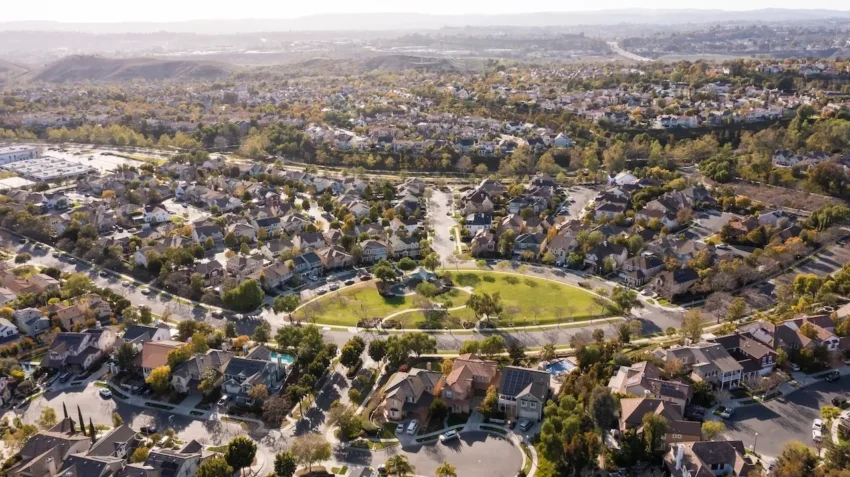
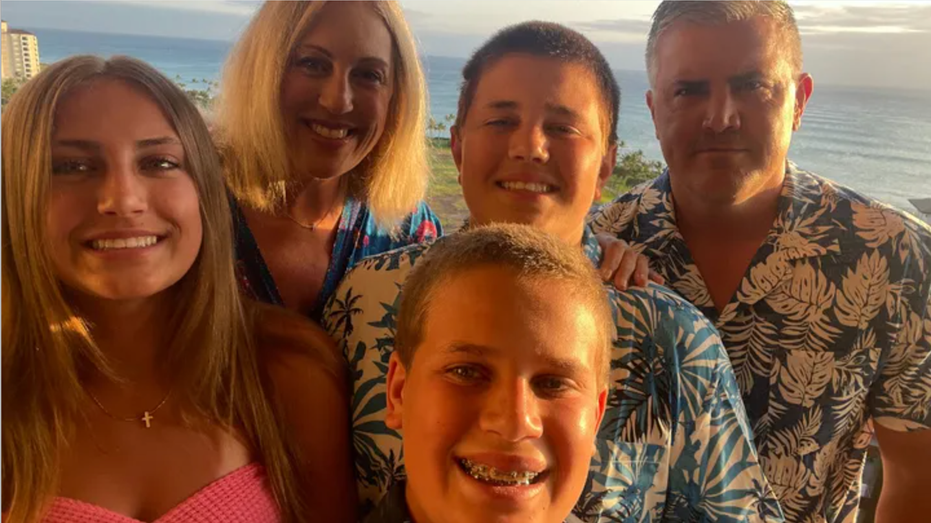
Ladera Ranch, a planned community in south Orange County, California, has become the focus of an investigation into what families describe as an unusual concentration of Ewing sarcoma — a rare cancer of bone and soft tissue that primarily affects children, teenagers, and young adults. Multiple cases have been reported among local families, according to Fox News, the New York Post, and NBC Los Angeles.

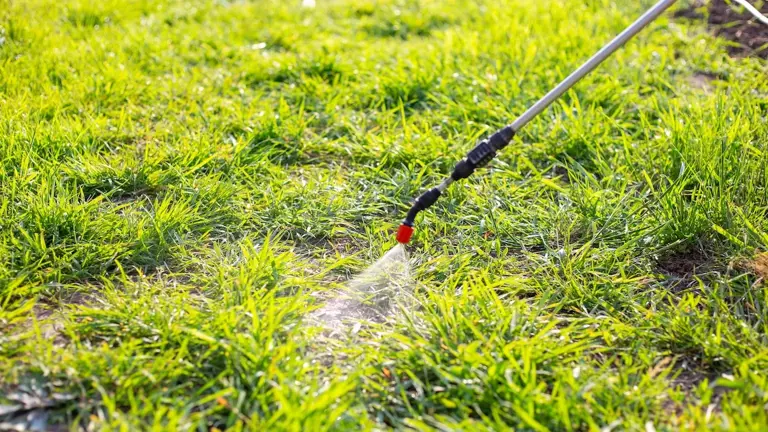
The cases have prompted families to demand answers from local officials and the community's homeowners association. Residents have raised questions about environmental exposures, including pesticide use in common areas.
Soil and water testing is now underway, according to NBC Los Angeles. The testing aims to determine whether any environmental contaminants in the area could be linked to the illnesses. Results have not yet been released.

In a separate development, a Ladera Ranch mother came forward in an interview with the New York Post describing a severe skin condition she says she developed while living in the community. The Post also reported that the local homeowners association has faced criticism over its stated explanation for pesticide spraying in the area.

Ewing sarcoma is diagnosed in roughly 200 to 250 people in the United States each year, according to the National Cancer Institute, making it one of the rarest forms of bone cancer. Because it is so uncommon, even a small number of cases in a single community can draw scrutiny from public health investigators.
Cancer clusters are notoriously difficult to confirm. Public health agencies, including the Centers for Disease Control and Prevention, caution that most reported clusters turn out not to have a common environmental cause — but they still investigate, because doing so can rule out hazards and reassure communities.
Families in Ladera Ranch say they are not satisfied with vague assurances. They want to know what is in the soil, what is in the water, and whether something in their neighborhood is making their children sick.
What the testing reveals — and whether investigators can identify a common cause — remains an open question. For now, the community is waiting.