
A new study is pointing to a specific daily amount of whole grains linked to better health outcomes, and it's a target most Americans are nowhere near hitting.

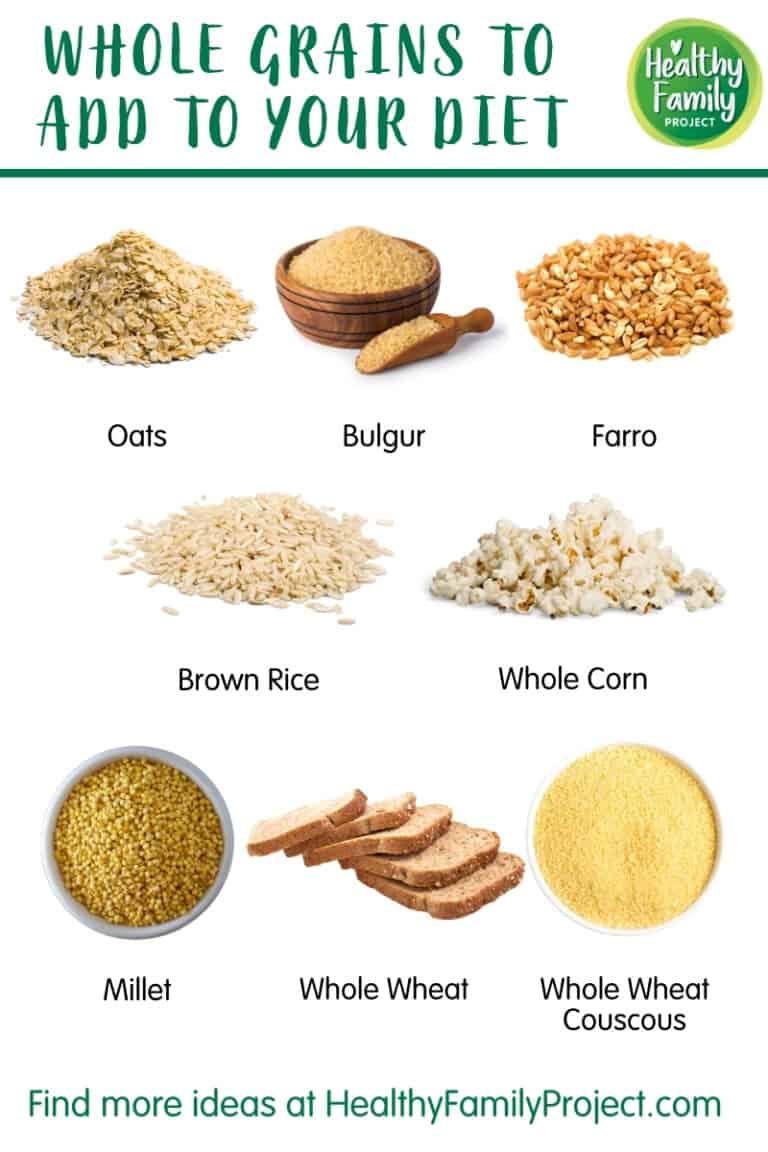
The research, covered by USA Today, adds to a growing body of work on how whole grains — foods like oats, brown rice, whole wheat bread and barley — affect long-term health markers. Rather than a general nudge to "eat more fiber," the finding centers on a measurable daily quantity tied to improvements in health measures.
:max_bytes(150000):strip_icc()/eat-more-whole-grains-4149407-02-59b68dea845b3400103e16a1.png)
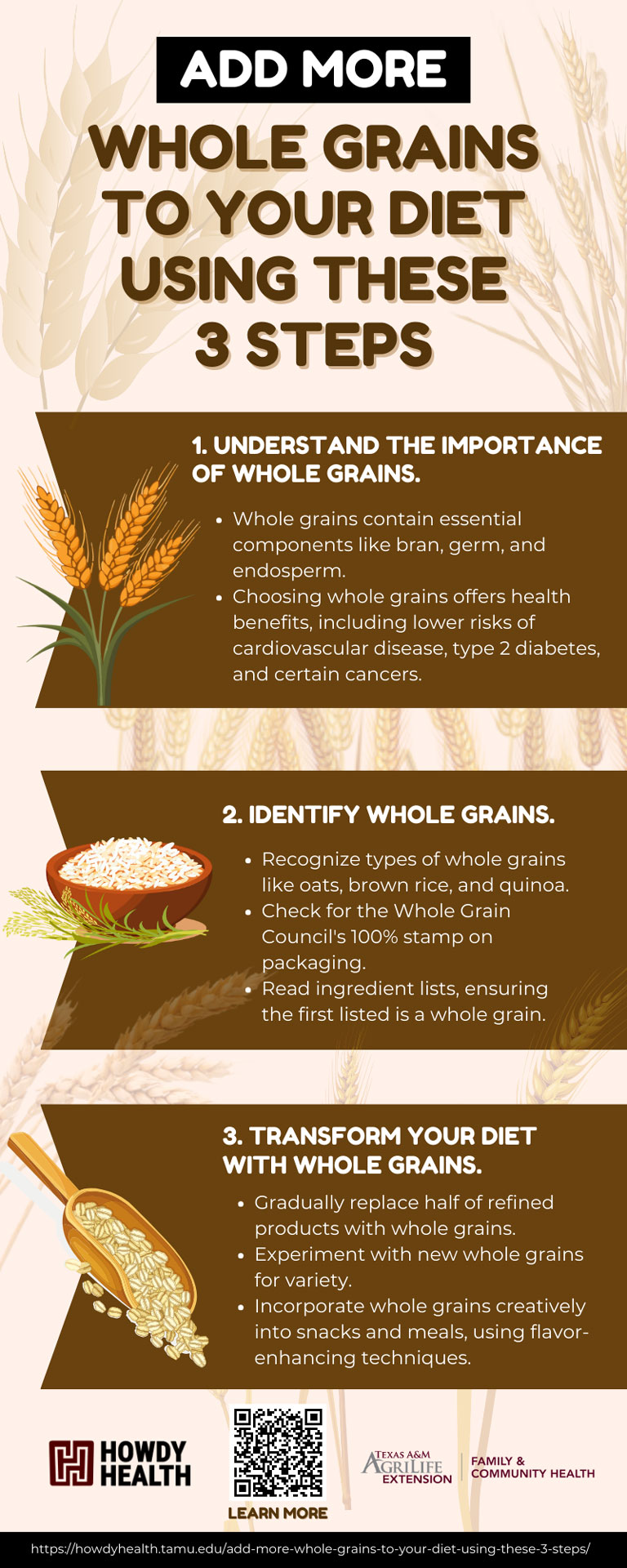
Whole grains differ from refined grains in that they keep the bran, germ and endosperm intact. That means more fiber, more B vitamins, and more minerals per serving. Refined grains strip much of that away during processing.
Federal dietary guidance has for years recommended that at least half of the grains Americans eat be whole grains. In practice, most people fall well short. The typical American diet leans heavily on white bread, white rice and refined flour products, which dominate supermarket shelves and restaurant menus.
The new study fits into a broader pattern in nutrition research: small, consistent dietary shifts that compound over years. Researchers behind this kind of work have repeatedly found that the gap between people who eat whole grains regularly and those who rarely do shows up in cardiovascular markers, blood sugar regulation and digestive health.

What remains an open question is how easily the target can be reached within typical American eating habits — and whether the food industry will respond with more accessible whole-grain options at lower price points. Whole grain products often cost more per ounce than their refined counterparts, a barrier that public health researchers have flagged for years.
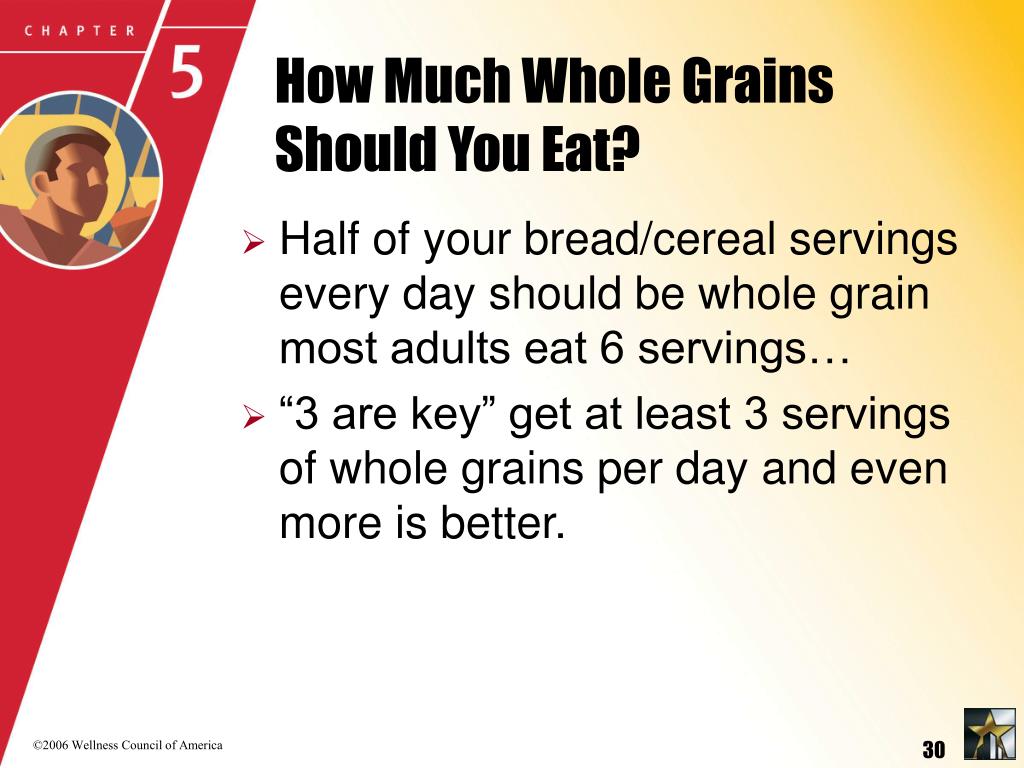
The study's authors say the finding reinforces existing guidance rather than overturning it. But the specificity of a daily number gives people something concrete to aim for, which nutrition researchers say tends to work better than vague recommendations.
Whether that number becomes a new benchmark in dietary advice — or joins the long list of guidelines Americans routinely miss — will depend on how it's translated into everyday food choices.