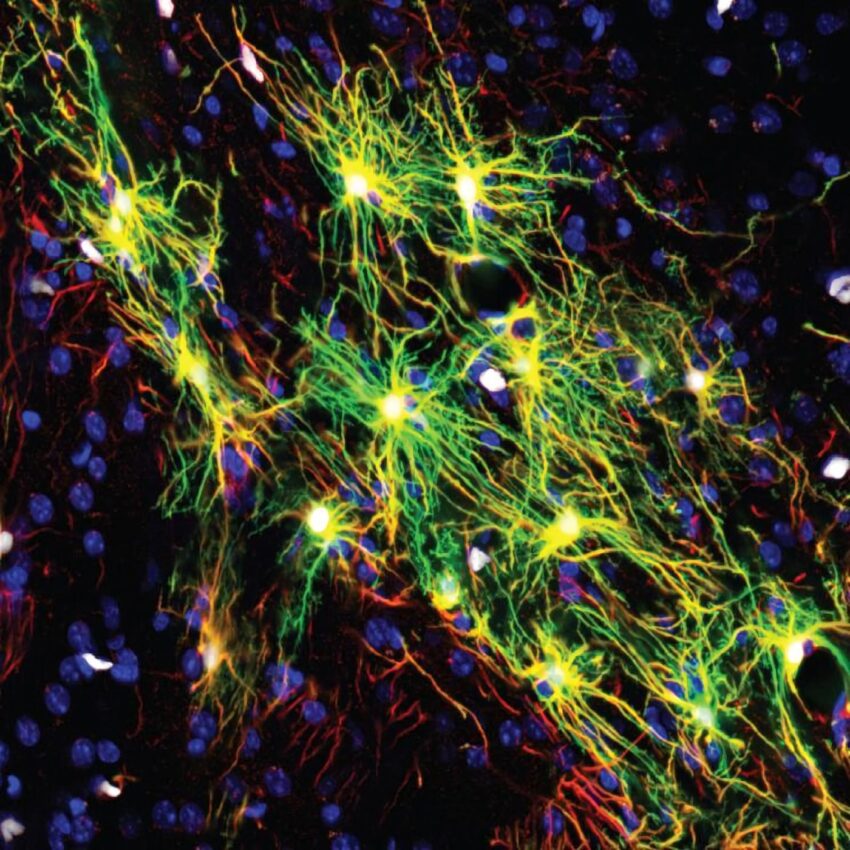
Human brain tissue transplanted into mice has integrated more extensively than in any previous experiment, according to researchers at Stanford Medicine. The human neurons didn't merely survive inside the animals — they connected with surrounding mouse brain circuits across broad regions, forming working links that scientists say could change how brain disorders are studied.
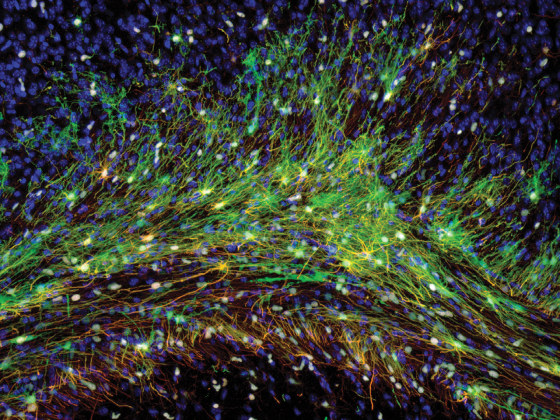
The work, published in Nature, describes a technique the team calls developmental xenocortication. Researchers grew human-derived brain organoids — small clusters of neural tissue cultivated from human cells — and grafted them into the brains of young mice. Because the mice were still developing, their brains were more receptive to the foreign cells. The human neurons matured, extended connections, and responded to sensory input from the animals' bodies.

The scale of integration is what stands out. Earlier experiments with human neurons in rodents produced limited, localized engraftment. This time, the human cells reached across multiple brain areas and appeared to sync with the mouse circuits around them. Stanford researchers say the model gives them an unprecedented platform for watching human brain development unfold in a living system — something impossible to observe directly in people.
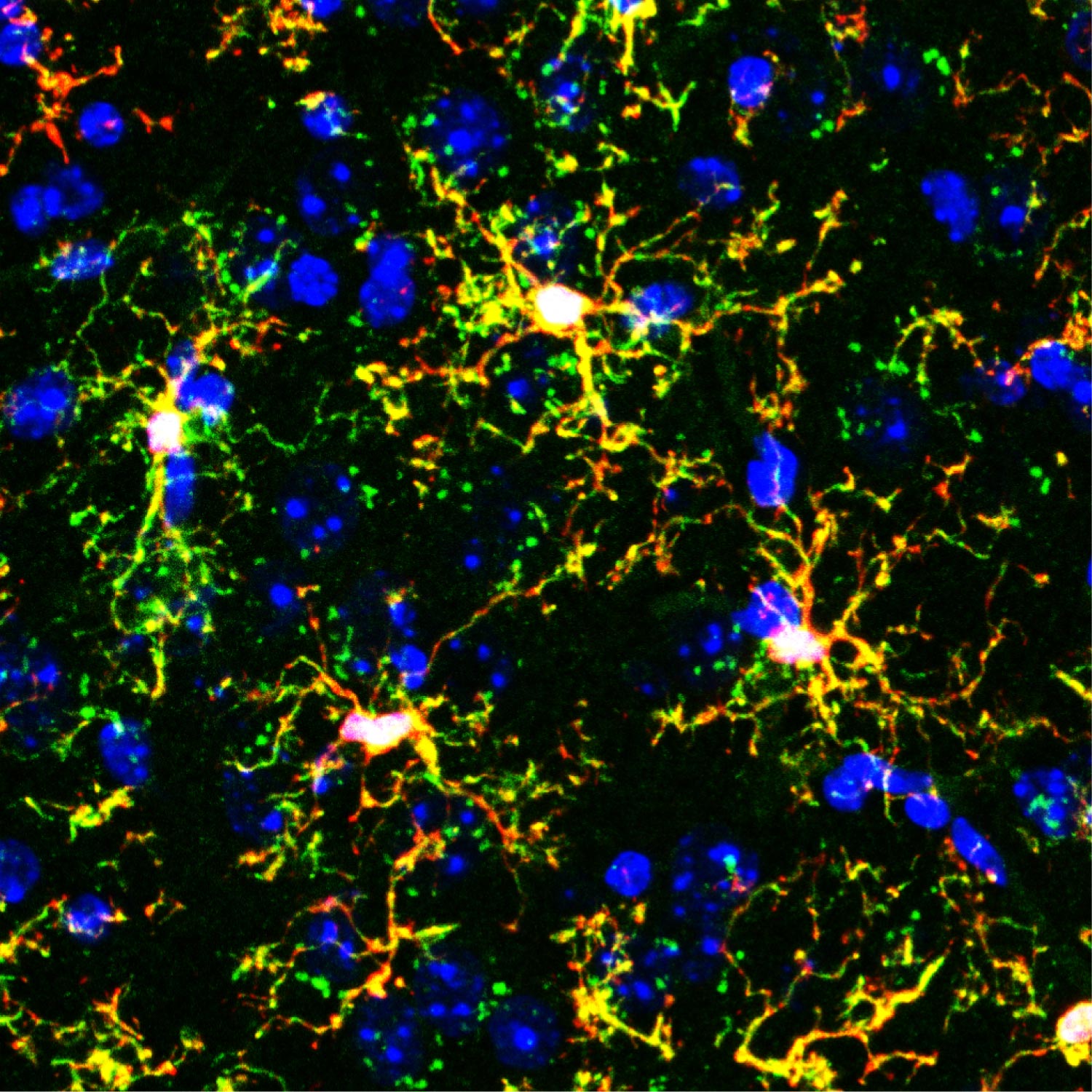
The potential applications are significant. Scientists could use these mice to study conditions rooted in early brain development, including epilepsy and certain autism-linked syndromes, and to test drugs against human neural tissue in a real circuit rather than a dish.

But the advance raises questions that the field has been circling for years. How much human tissue is too much inside an animal? At what point does a research model stop being just a model? The team says the human cells were confined to the brain and did not alter the animals' behavior in ways that suggested human-like cognition. Independent bioethicists have already called for clearer guidelines as the technique spreads.

What researchers plan to do next with these animals — and how far they intend to push the integration — has not been fully disclosed.
