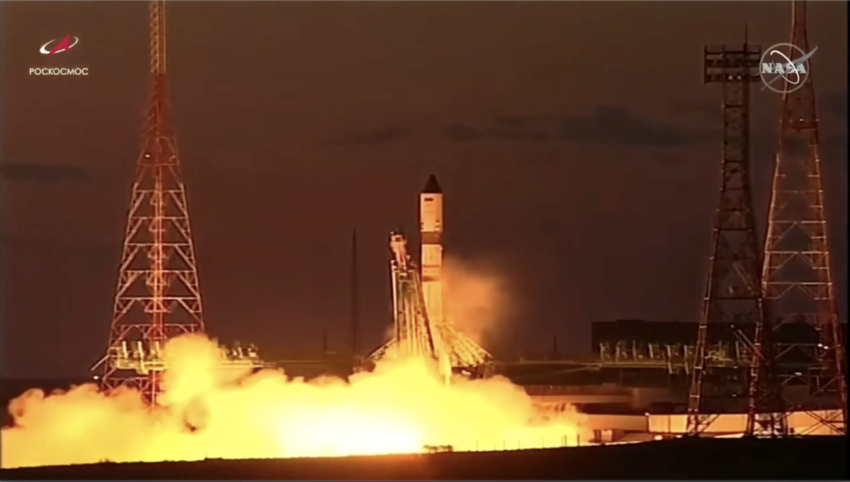
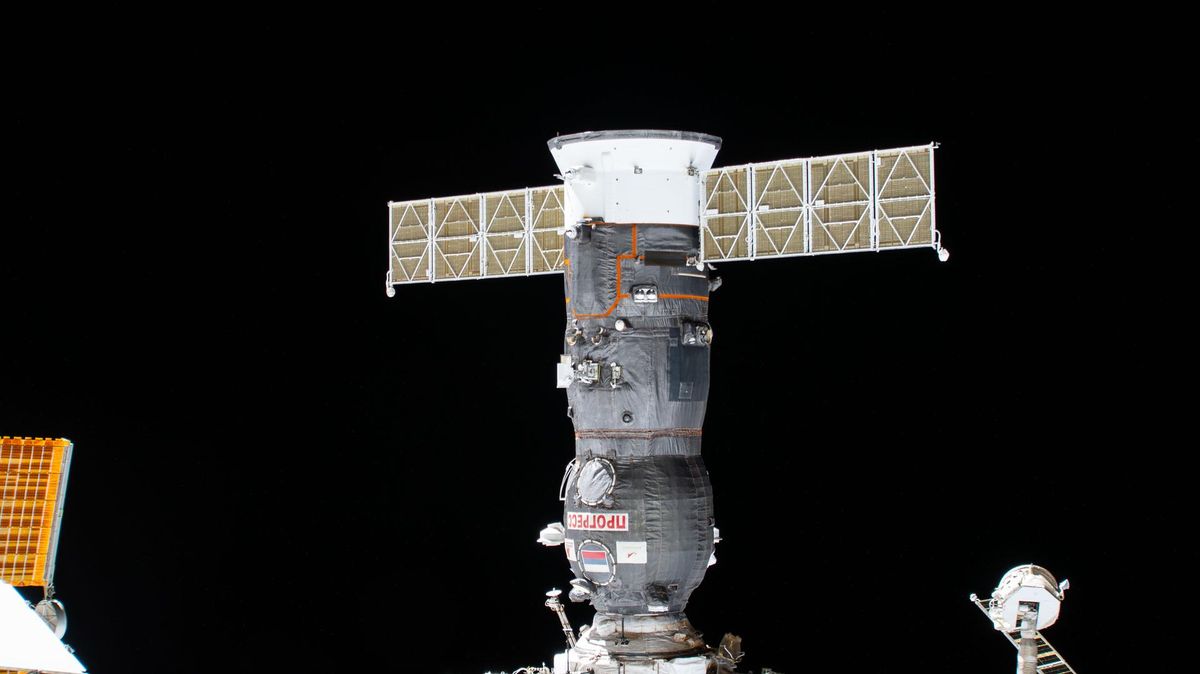
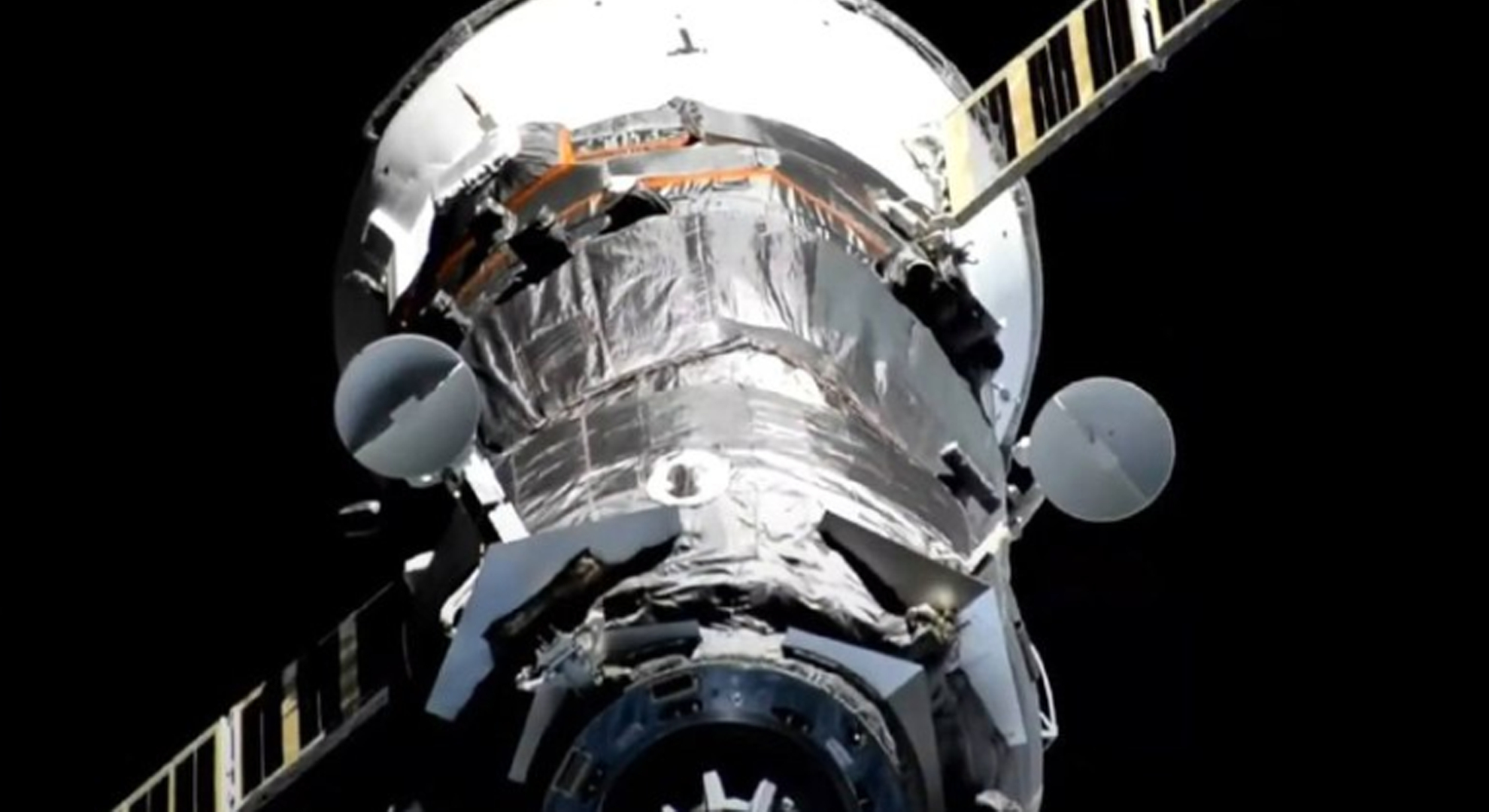
Russia launched its Progress 96 cargo spacecraft toward the International Space Station, carrying roughly 3 tons of food, fuel, water, and supplies for the crew orbiting 250 miles above Earth.
The uncrewed freighter lifted off from the Baikonur Cosmodrome in Kazakhstan, riding a Soyuz rocket on a routine but closely watched resupply run. The mission is also tracked as Progress MS-35 in Russia's numbering system.
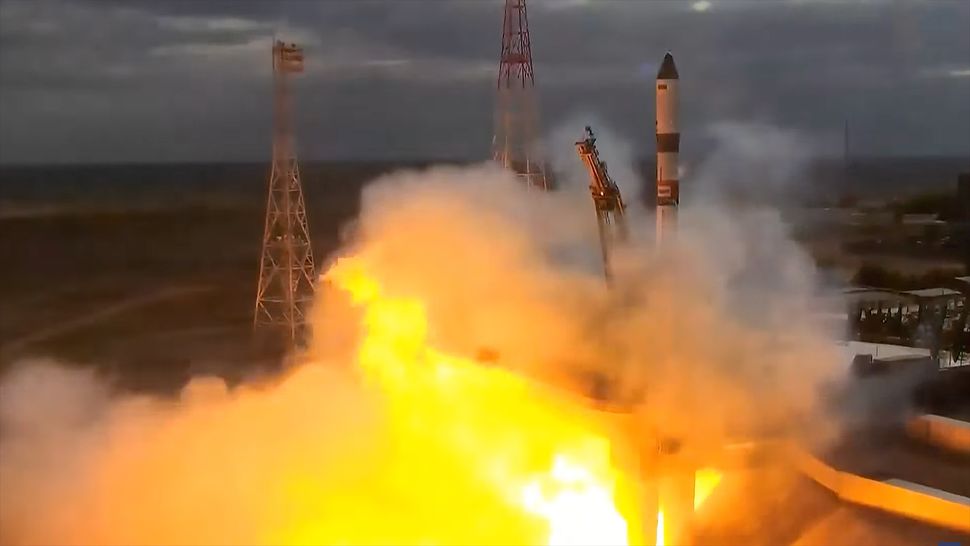
The launch marks another scheduled delivery in a partnership that has now stretched across more than two decades. Progress vehicles have been flying to the station since 2000, making them one of the longest-running supply lines in human spaceflight.

What's on board matters more than the rocket itself. Progress freighters typically carry propellant for station maneuvers, pressurized oxygen and air, potable water, and dry cargo packed with food, clothing, and science hardware. That mix keeps the outpost habitable and its experiments running between crewed missions.
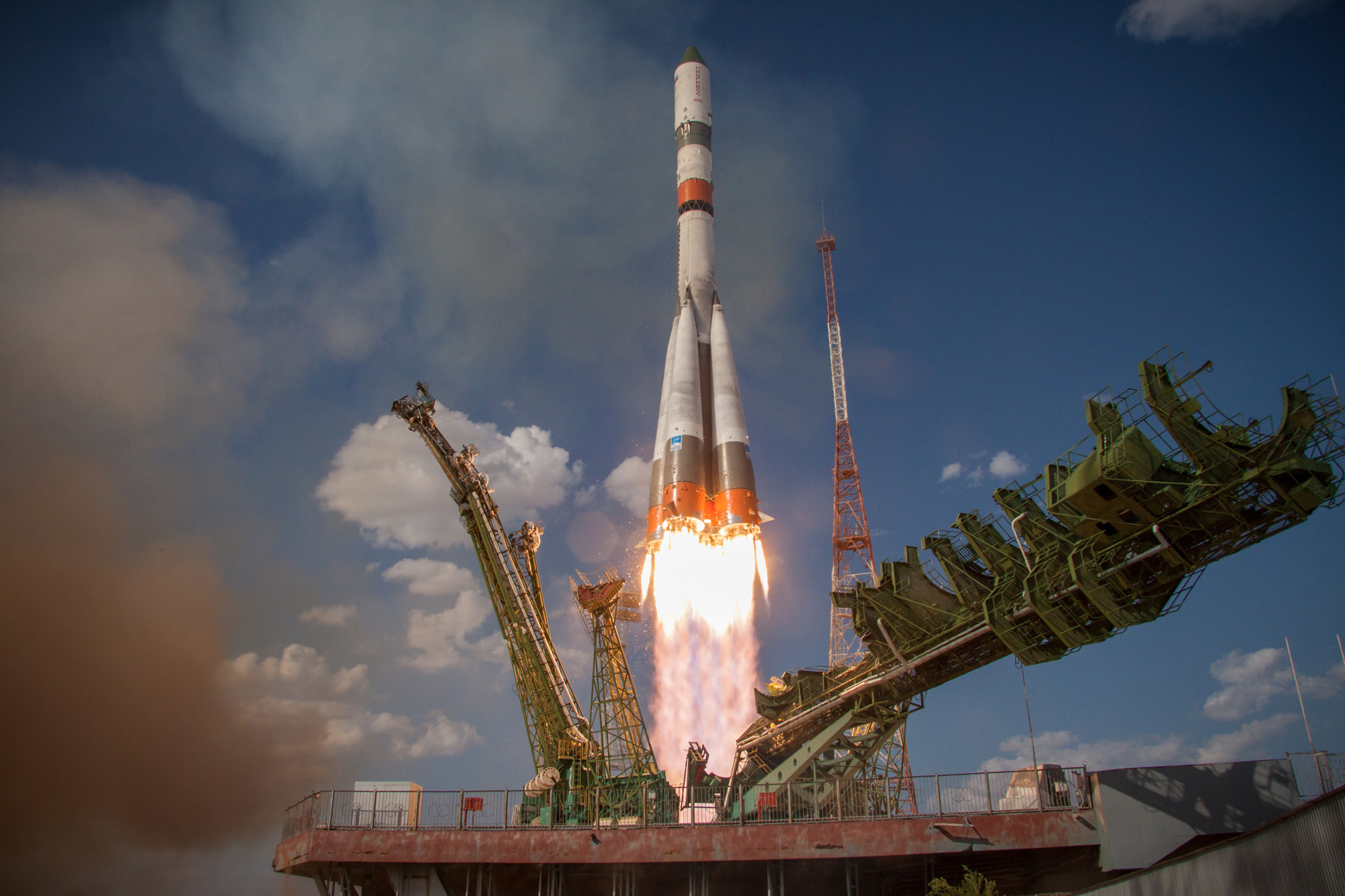
Docking is expected within about two days of launch, following the standard automated rendezvous profile. The spacecraft approaches the station on its own, with the crew standing by to monitor and take manual control only if something goes wrong.
The launch comes as the station's future remains an open question. Russia has signaled it intends to leave the partnership sometime after 2024, though no firm exit date has been set and operations have continued largely as normal. NASA, meanwhile, has been building out commercial cargo and crew alternatives while pushing to extend station operations into the 2030s.

That tension is what gives a routine resupply flight a little extra weight. Every Progress launch is a working reminder that the station still depends on a fleet of Russian vehicles to stay supplied, even as the political ground beneath the program shifts.
The bigger question is what happens to that supply chain if and when Russia's participation ends — and how quickly the next generation of commercial freighters can fill the gap.