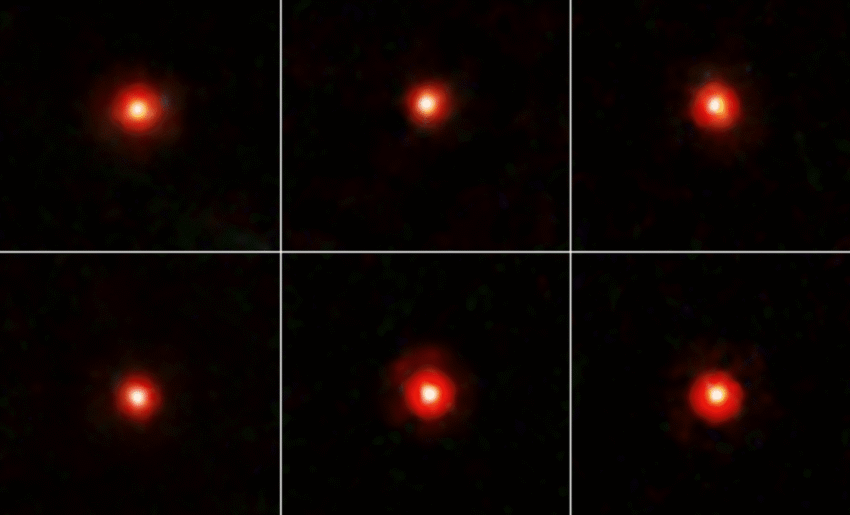
Astronomers are revisiting a class of faint, reddish objects from the early universe — and the leading explanation is that they may be the birthplaces of the most massive black holes known to exist.

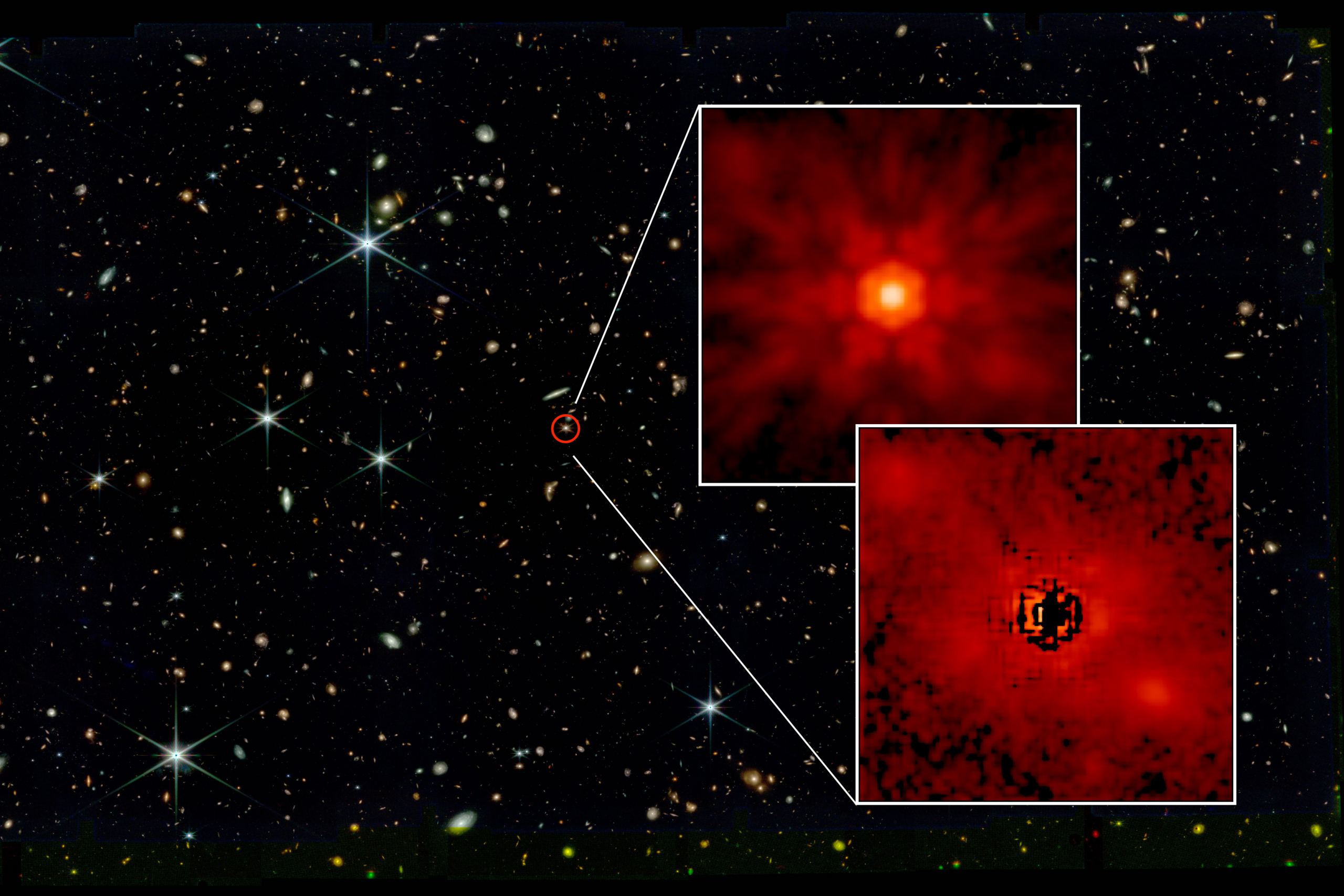
The objects, nicknamed "little red dots," were flagged in data from the James Webb Space Telescope as compact, unusually red sources seen at great distances. Because distance equals time in astronomy, they offer a direct look at conditions when the universe was only a fraction of its current age.
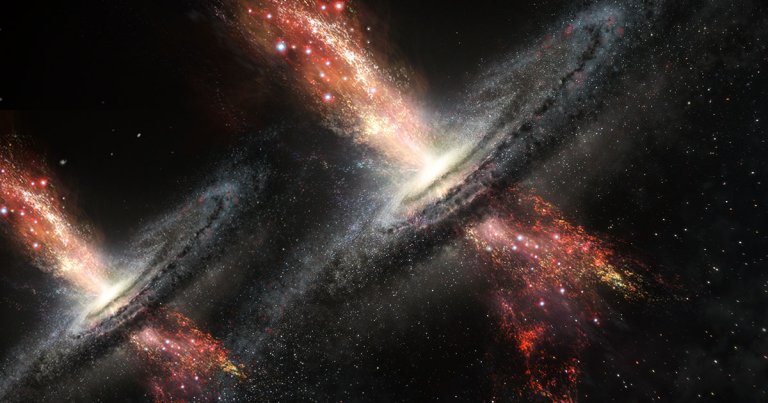
That is where the tension begins. Supermassive black holes sit at the centers of most large galaxies, including the Milky Way. Under standard models, growing one to billions of times the mass of the Sun should require hundreds of millions of years of steady feeding. Yet Webb keeps finding fully formed, extremely massive black holes already in place surprisingly early.
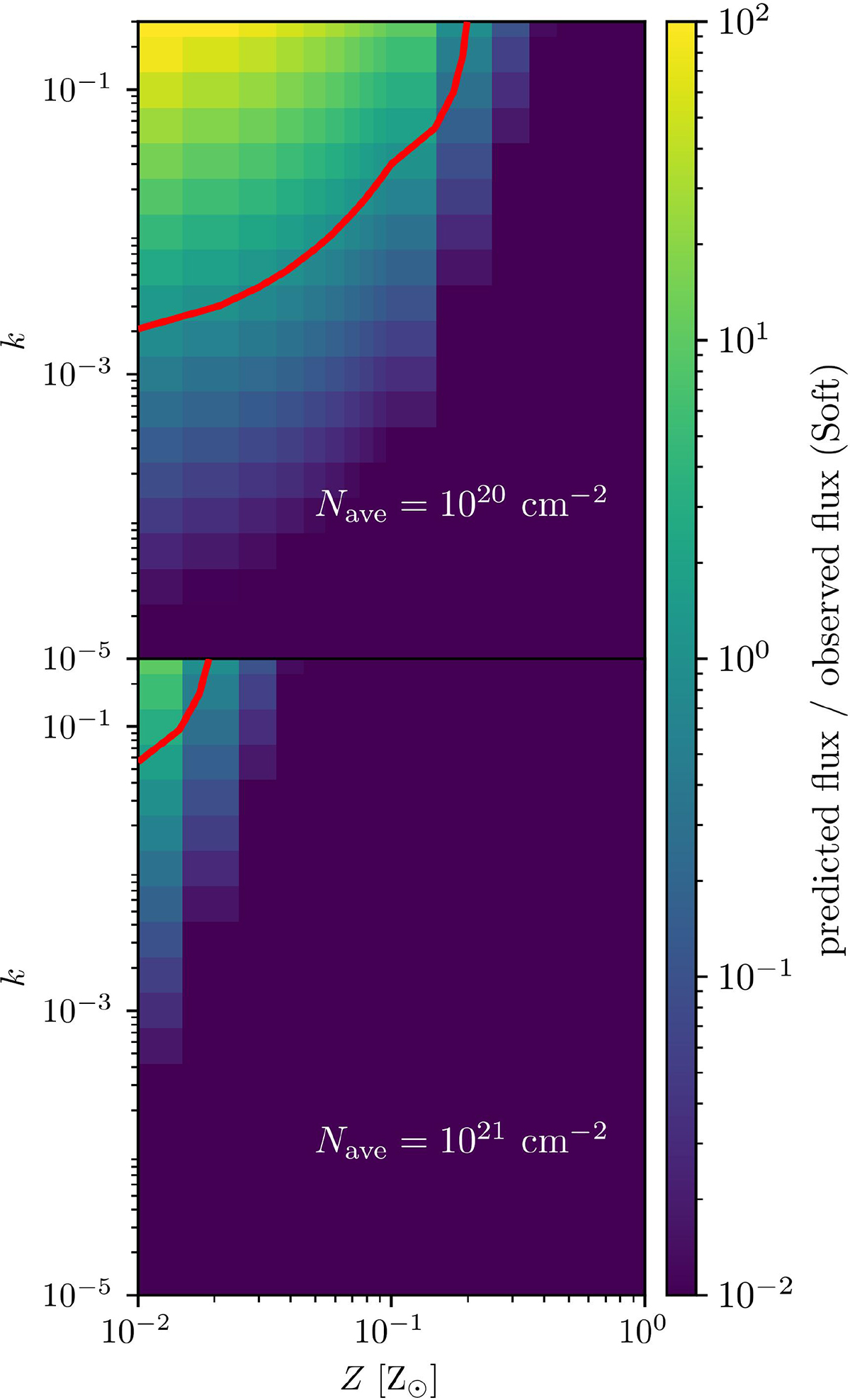
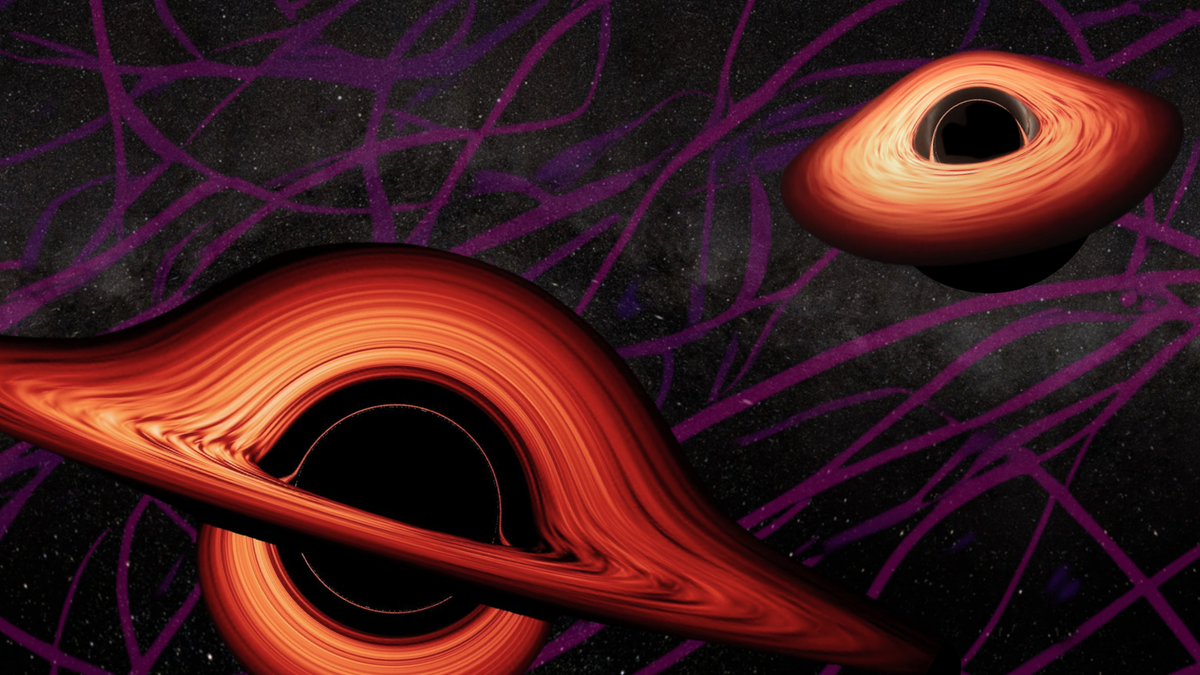
The little red dots may resolve that mismatch. Researchers have proposed that these compact objects could be the early, heavily obscured stages of growing black holes — small in appearance only because their light is filtered, not because their engines are weak.
If that reading holds, the dots would not be a side note in the Webb catalog. They would be the missing first chapter in the story of how the largest black holes came to be.

The idea is not settled. Alternative explanations, including bursts of intense star formation in young galaxies, remain in play, and the observations are still being tested against models.
What comes next is a closer look at the dots' light signatures. Distinguishing the glow of a feeding black hole from the glow of newborn stars is the deciding test — and it is already underway.