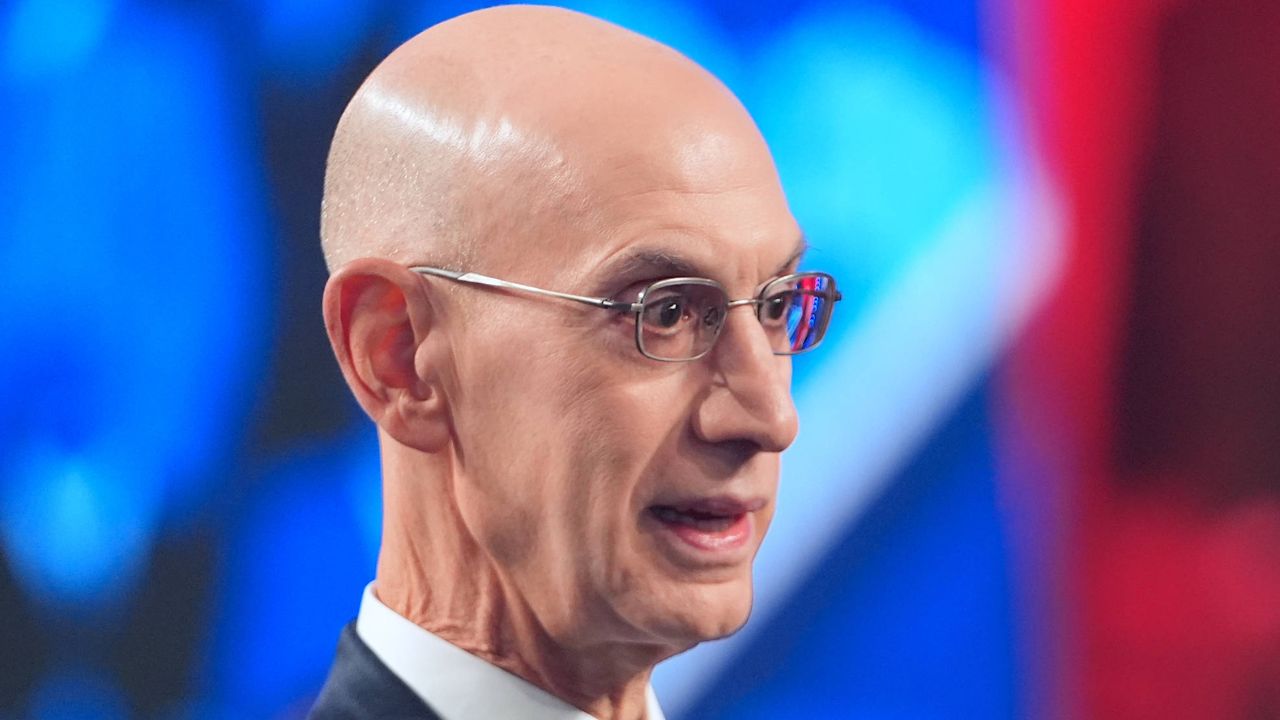
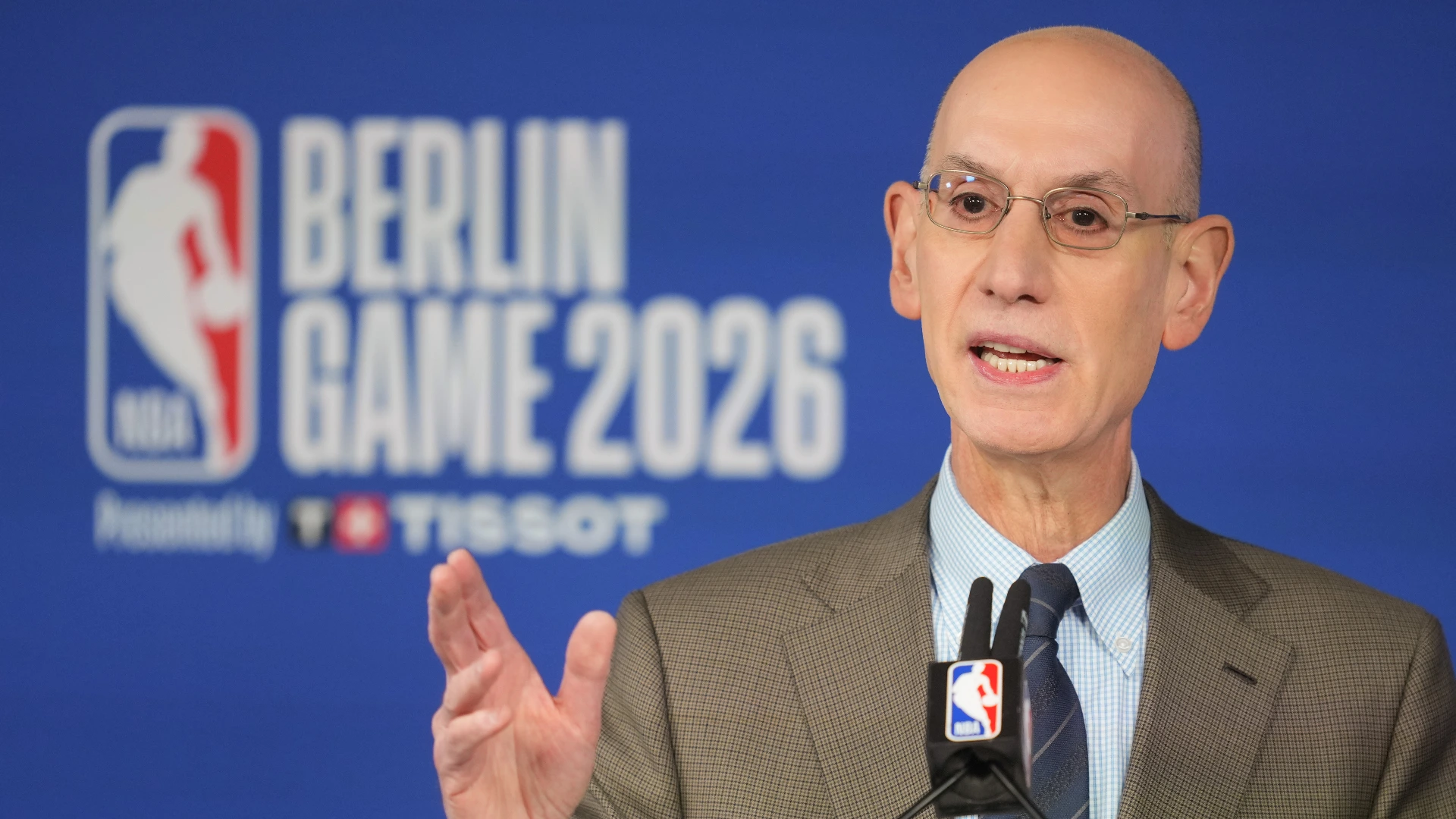
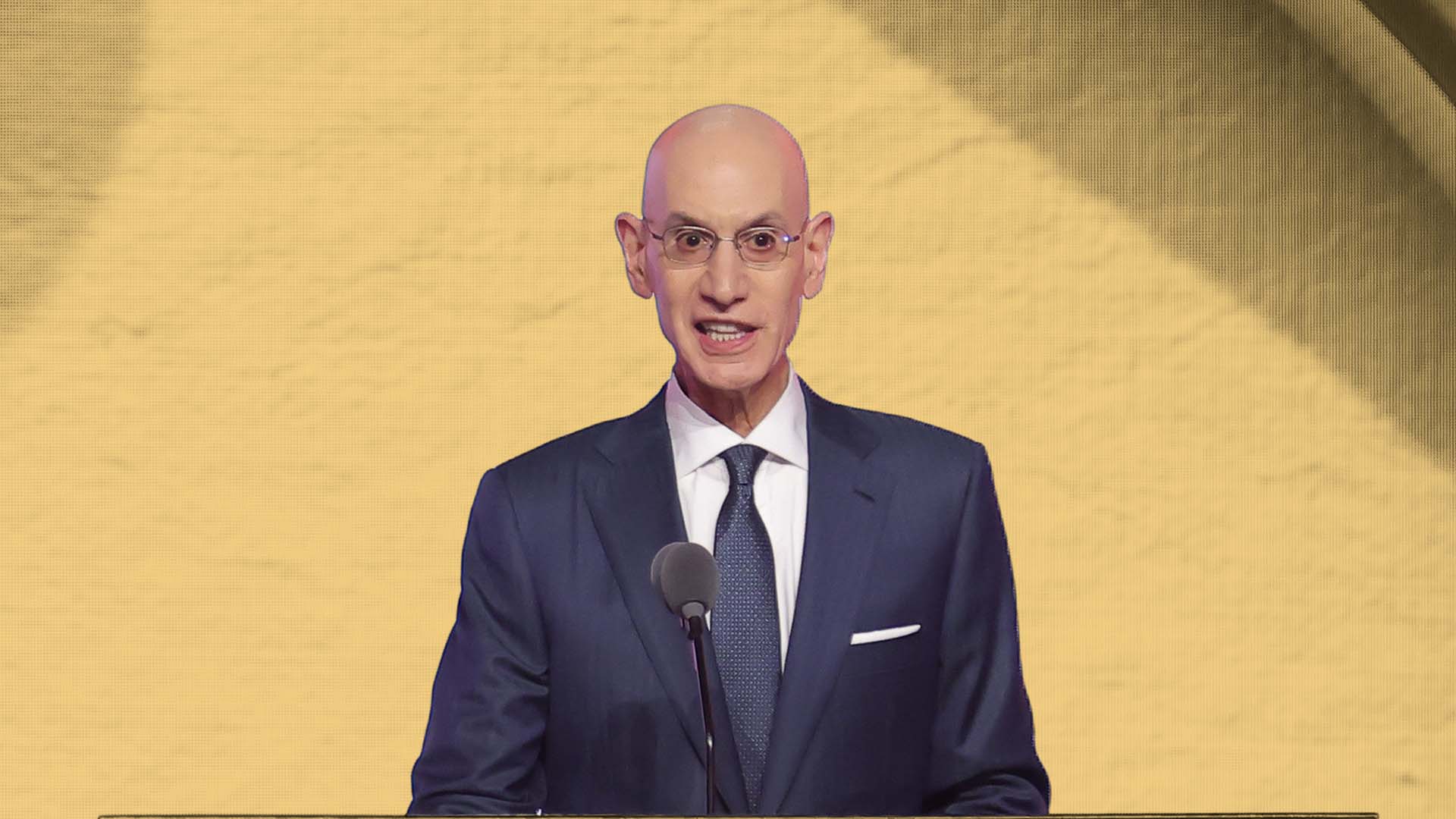
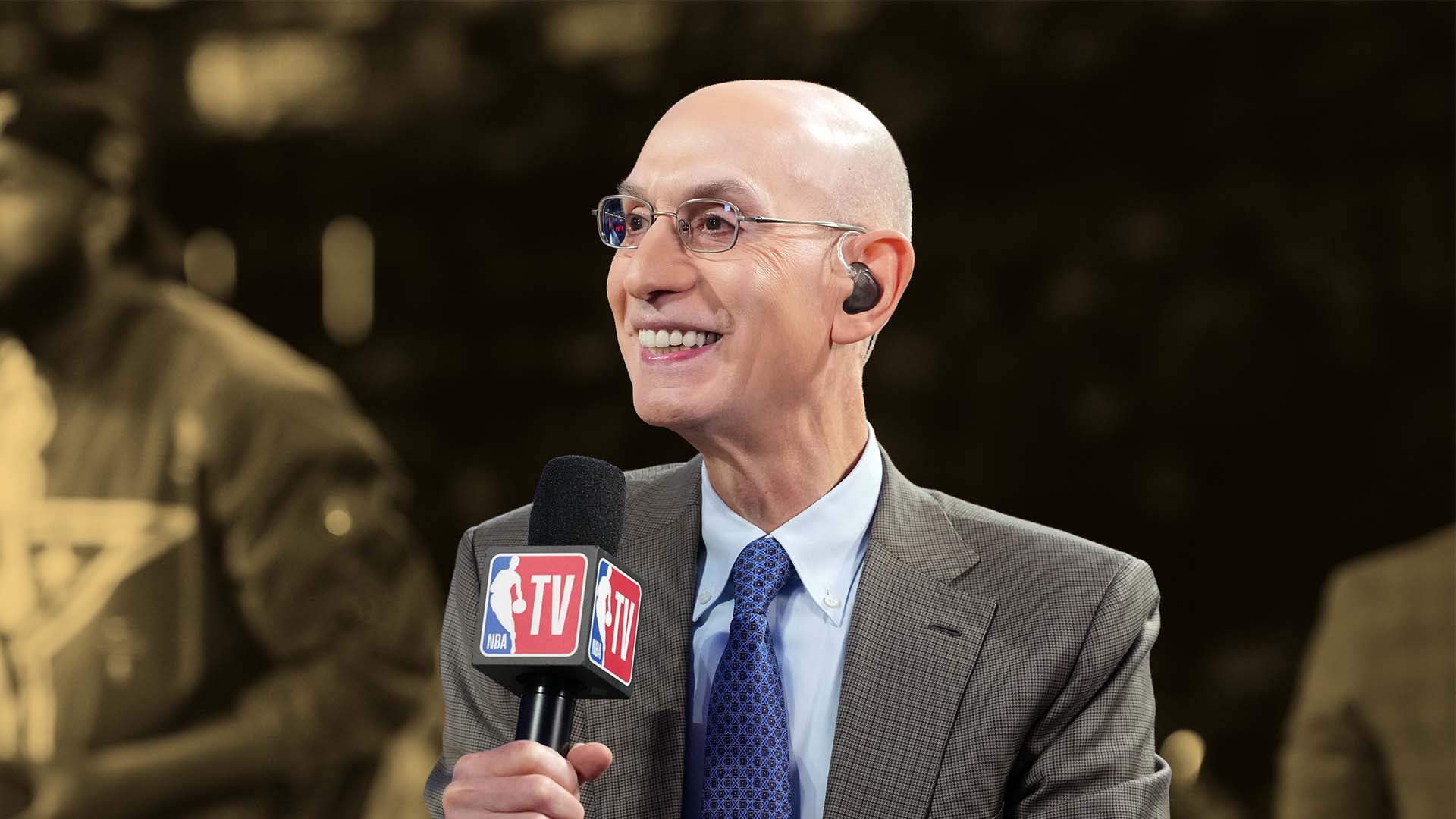
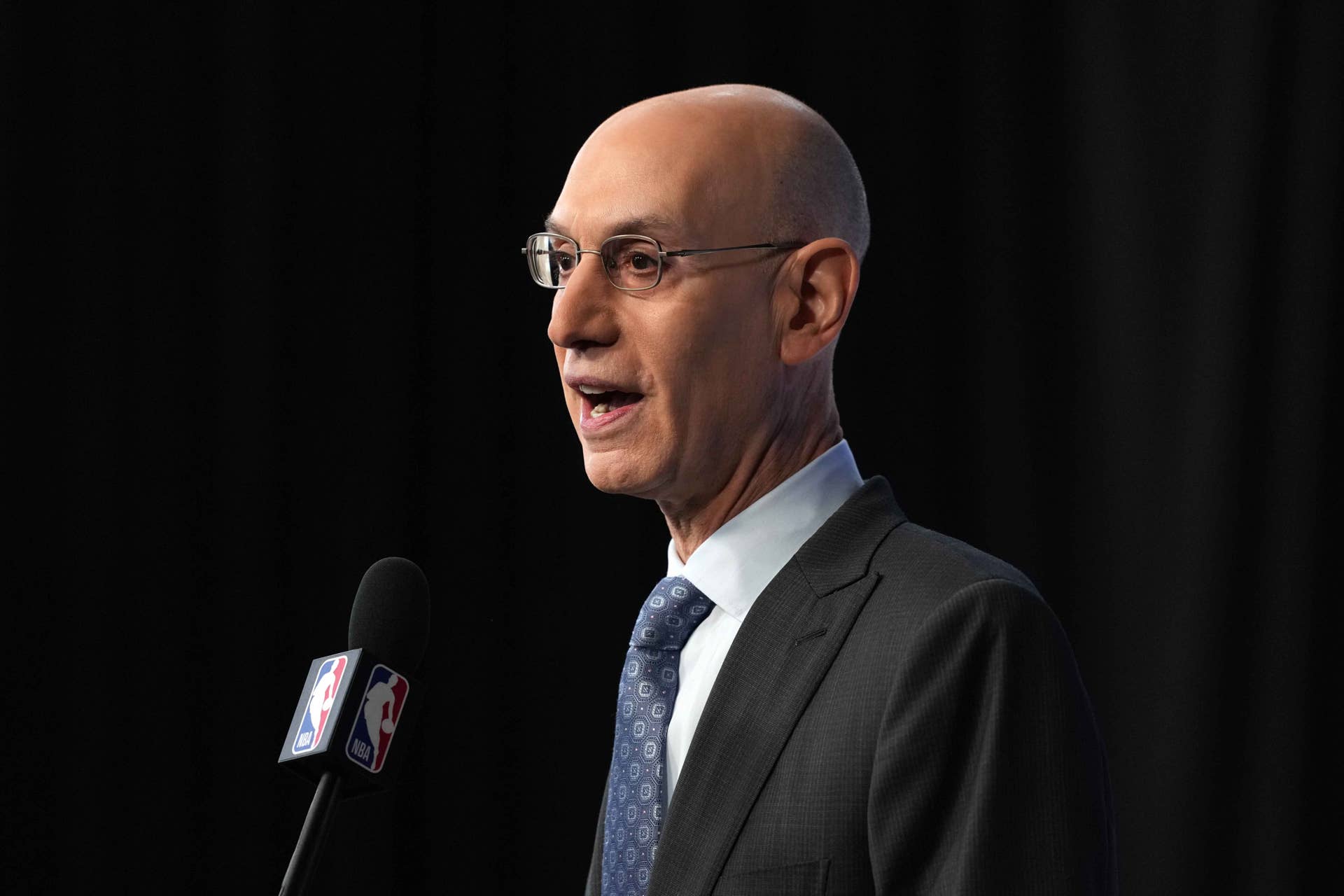
Adam Silver didn't hedge. The NBA commissioner announced that the Los Angeles Clippers have earned what he called "appropriate consequences" stemming from the league's investigation into the Kawhi Leonard situation, and he made clear the ruling was meant to be read by more than just one front office.
Steve Ballmer, the Clippers' owner and one of the wealthiest figures in American business, responded quickly. He apologized to fans and said the organization will comply with the sanctions. It was a rare public concession from an owner of his stature.
Silver also used the same platform to address expansion talks and other league business, but the Clippers ruling was the moment that landed. The message was less about a single penalty than about the standard every owner is now expected to meet — and what happens when they don't.
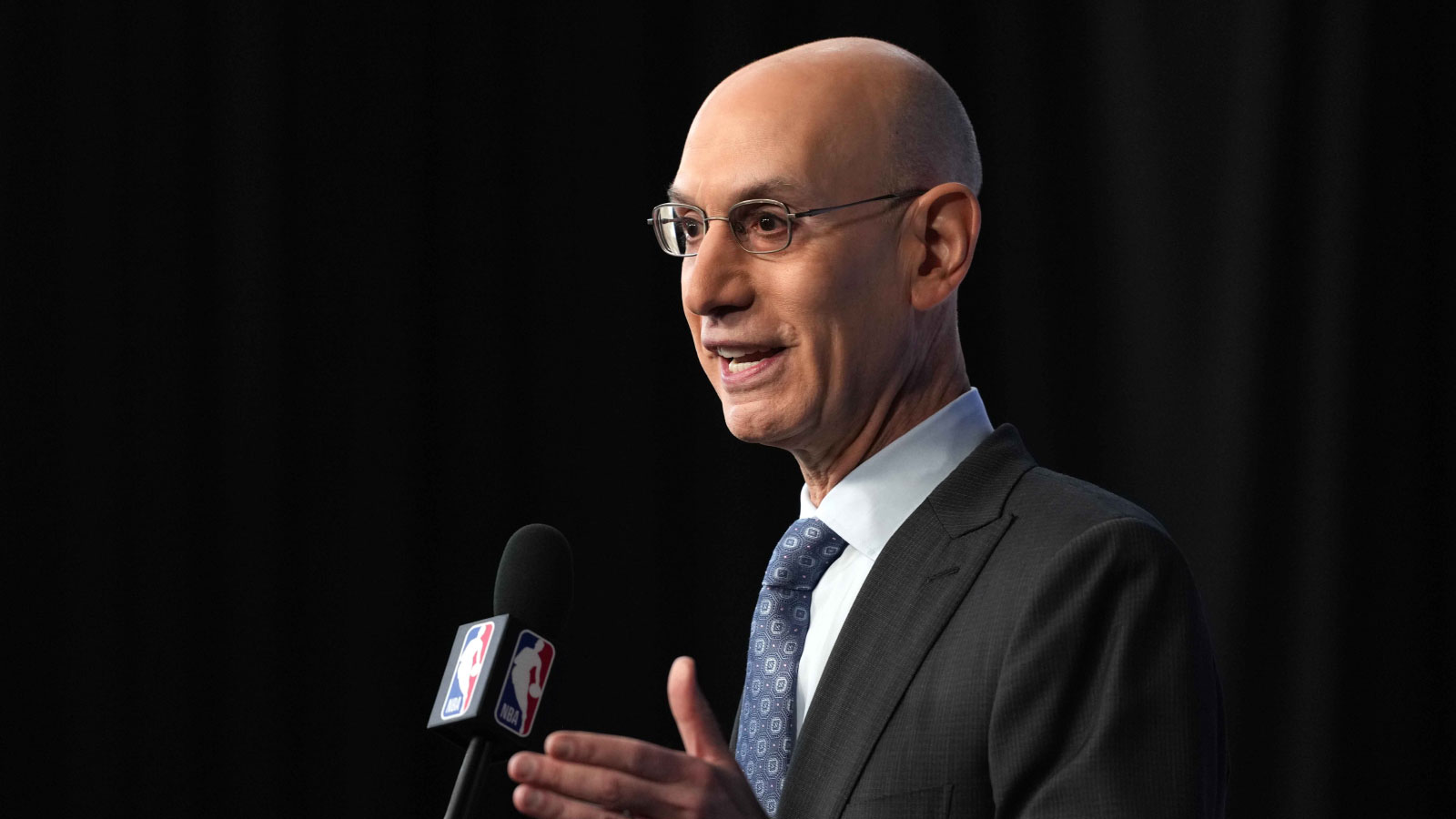
The investigation centered on the team's handling of Leonard, though the full scope of the league's findings has been communicated primarily through Silver's public remarks. Details about the specific penalties and the timeline for any roster or financial impact remain limited.
For a league that has spent years managing player movement, tampering rules, and competitive balance, a ruling against a deep-pocketed owner carries weight beyond the standings. Other owners will be watching how the Clippers absorb the punishment and whether it changes how teams structure deals going forward.
Ballmer's apology signals the team isn't planning to fight the decision publicly. Whether that calm holds once the practical effects of the sanctions set in is a different question — and one the rest of the league is waiting to see answered.