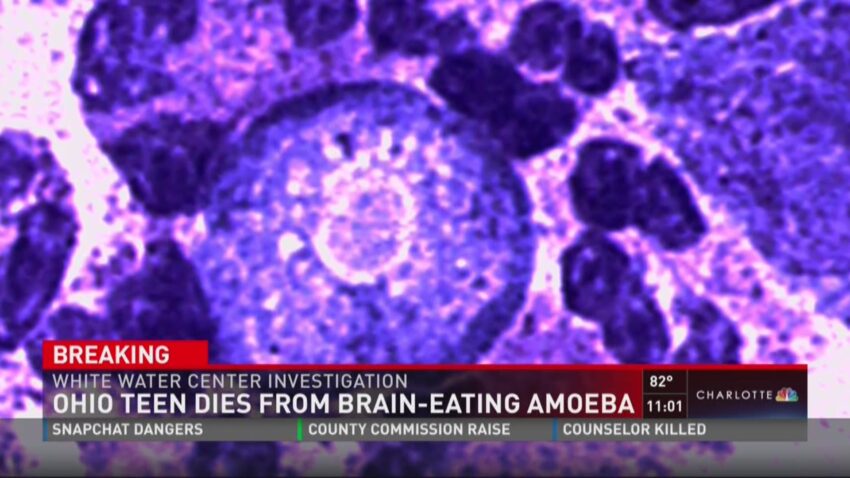
A North Carolina teenager who died from a rare brain infection was most likely exposed at a man-made water feature in Durham, state health officials said.

The teen was from Burlington. The likely source, according to the North Carolina Department of Health and Human Services, was a water feature described in local reporting as a man-made creek at a mental health facility in Durham.

The infection was caused by Naegleria fowleri, often called a "brain-eating amoeba." It is a single-celled organism found in warm freshwater. People are infected when water containing the amoeba enters the body through the nose — typically while swimming, diving, or splashing in warm lakes, rivers, or poorly maintained pools and water features. It is not spread from person to person, and it cannot be caught by drinking contaminated water.
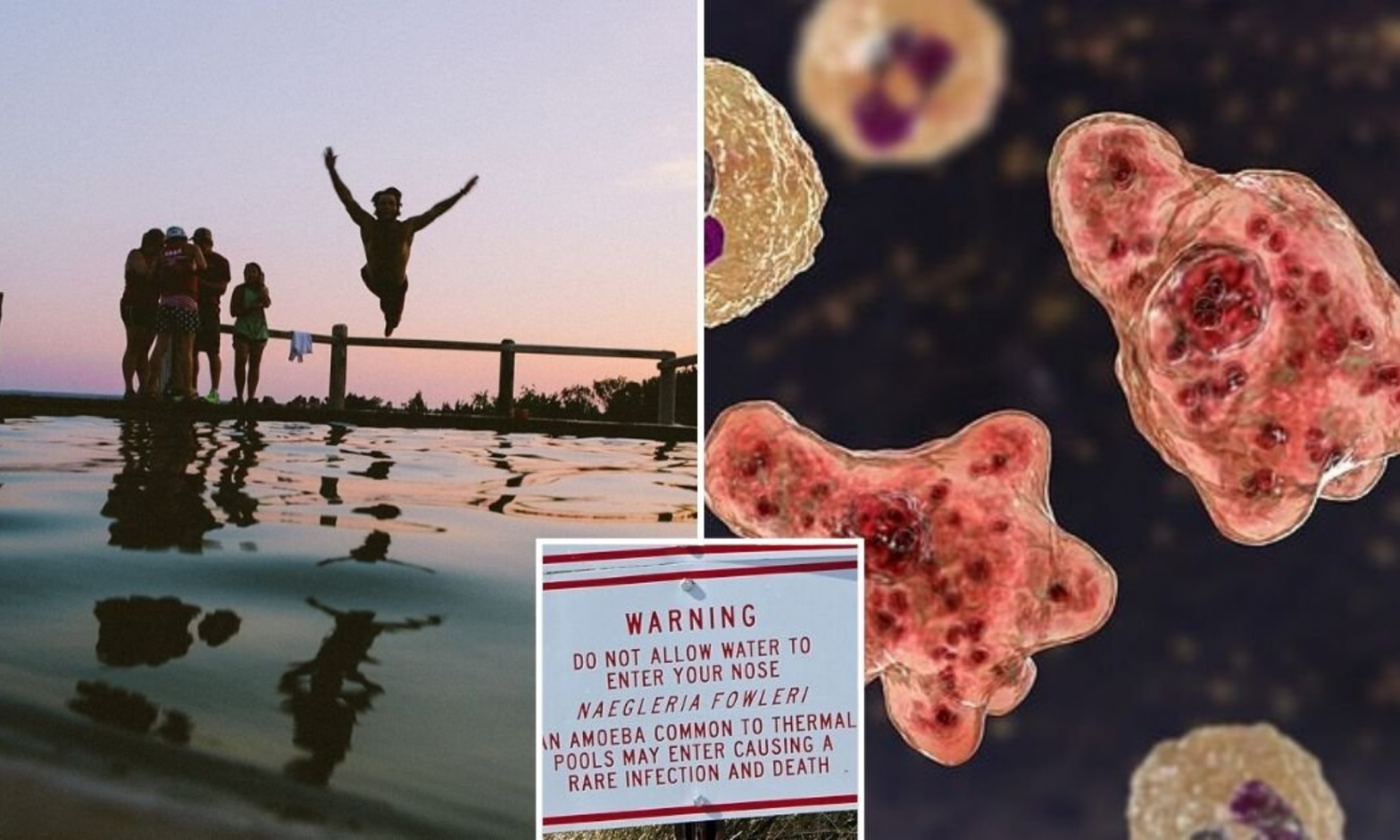
Infections are extremely rare in the United States, but they are also almost always fatal. That combination — rare enough that most doctors never see a case, deadly enough that every case draws urgent attention — is why state and local health investigators moved quickly to trace where the exposure happened.

Officials identified the Durham site as the likely source after investigating the teen's activities in the days before symptoms appeared. The facility has not been publicly named in the initial statements. It was not immediately clear whether the water feature has been closed, drained, or tested, or what specific maintenance conditions may have played a role.

Naegleria fowleri cannot survive in salt water and does not occur in water that is properly treated and maintained. Health agencies have long advised people to avoid putting their heads under water in warm, untreated freshwater, and to use nose clips when swimming in such settings.

The investigation is ongoing. Health officials have not said whether other people who visited the same site are being monitored, or whether any additional test results are expected. Those are the questions likely to shape what happens next.