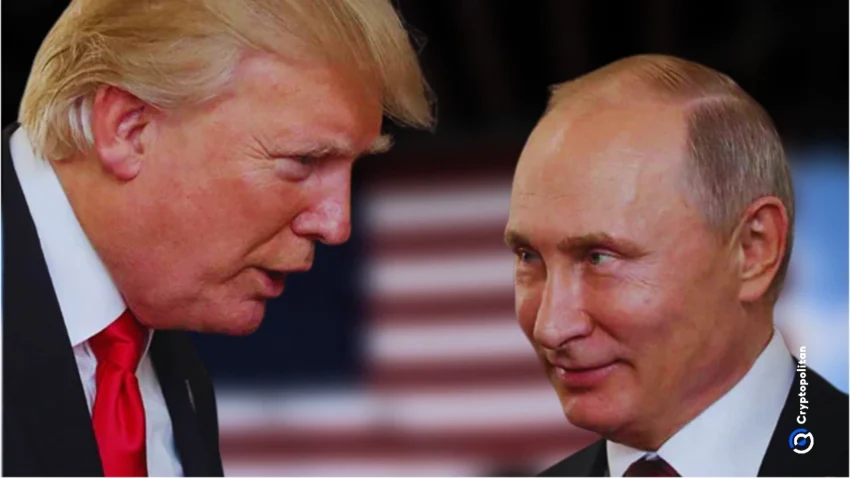
A new Russia sanctions bill moving through Congress hands President Trump something no predecessor has had: broad authority to slap tariffs on any country buying Russian energy.

The measure, which advanced with rare bipartisan support, targets Russia's oil and gas revenue — the financial backbone of its war effort. But the provision drawing the most attention is a first-of-its-kind tariff mechanism that could hit U.S. trading partners directly.

Under the framework reported by Reuters, countries that continue purchasing Russian oil could face steep U.S. tariffs on their own exports. CNBC noted that China and India — the two largest buyers of discounted Russian crude — sit at the top of that list.

Not everyone is cheering. Democratic leaders have raised alarms that the tariff authority could ripple back into the U.S. economy, driving up costs for American consumers already squeezed by inflation. TIME reported that some lawmakers fear the bill could "harm" Americans if the tariffs trigger retaliatory measures from major trading partners.

The Wall Street Journal's editorial board framed it differently, calling the bill a long-overdue tool that finally gives Trump real leverage against Vladimir Putin.

The core tension is simple: the sanctions give Trump a powerful economic weapon, but his willingness to actually deploy it remains the biggest open question. Tariffs on Chinese and Indian goods would mark a dramatic escalation — one that could reshape global energy flows and trade relationships overnight.
What happens next depends on whether the bill clears its final legislative hurdles, and whether Trump signals he's ready to use the authority he's been handed. For now, the world's major oil buyers are watching Washington closely.