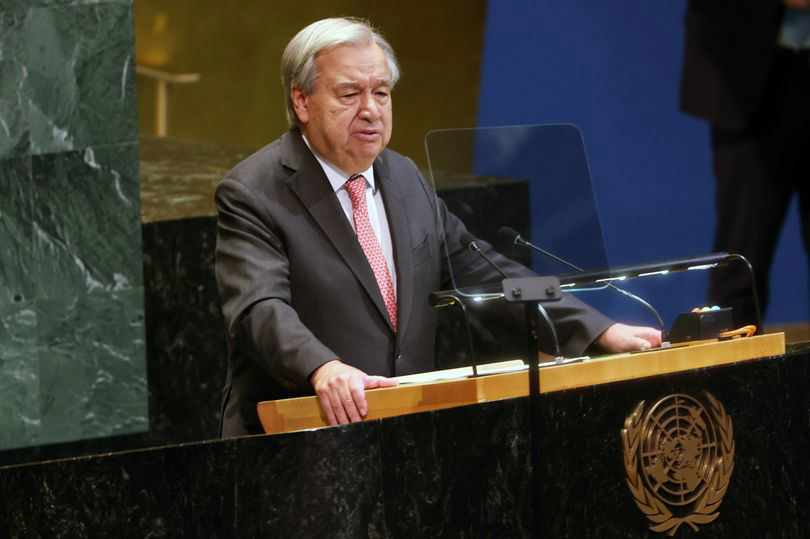
A United Nations mission has found evidence suggesting the United States may have committed war crimes in a strike on an Iranian school, according to a report drawing sharp pushback from Washington.

The panel's findings, first reported by Al Jazeera and CNN, center on a deadly U.S. strike that hit a school in Iran. Bloomberg reported the operation was carried out through a U.S. "kill chain" — the sequence of targeting decisions that ends in a strike.
The report does not deliver a verdict. It says the evidence may indicate violations of the laws of armed conflict. That distinction matters: a finding of "possible" war crimes is not a legal ruling, and no court has weighed in.

The United States rejected the report's conclusions. CNBC reported that Washington dismissed the UN mission's findings, and CBS News noted the rejection came as President Trump again said Iran wants a deal.
That combination — a UN report alleging possible violations and a U.S. president simultaneously signaling diplomacy — captures the unusual position the two countries are in. The report lands while negotiations remain a live subject.

Attacks on schools have drawn particular scrutiny under international humanitarian law because civilian sites, including educational buildings, receive protected status unless they are being used for military purposes. The UN panel's report is significant because it comes from a multinational body rather than an advocacy group, giving it a different kind of standing.
What remains unresolved is what happens next. The report does not compel action, and the U.S. has not signaled it will change course. Whether the findings reach any formal international proceedings — or fade into the broader debate over the conflict — is an open question.