Florida has recorded its first-ever death from dengue fever, a Hillsborough County woman, health officials confirmed — a milestone that arrives in the middle of one of the state's worst dengue outbreaks in recent years.
The death was reported by the Tampa Bay Times and later confirmed by state health authorities. It marks the first time a dengue infection has proven fatal in Florida, a state that has historically seen the virus only in travelers returning from endemic regions.

That pattern has broken.
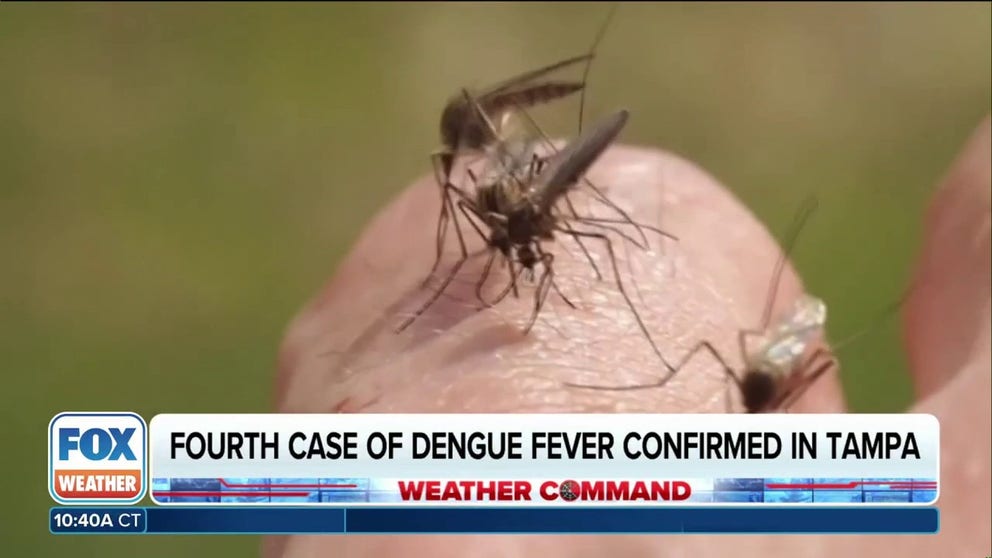
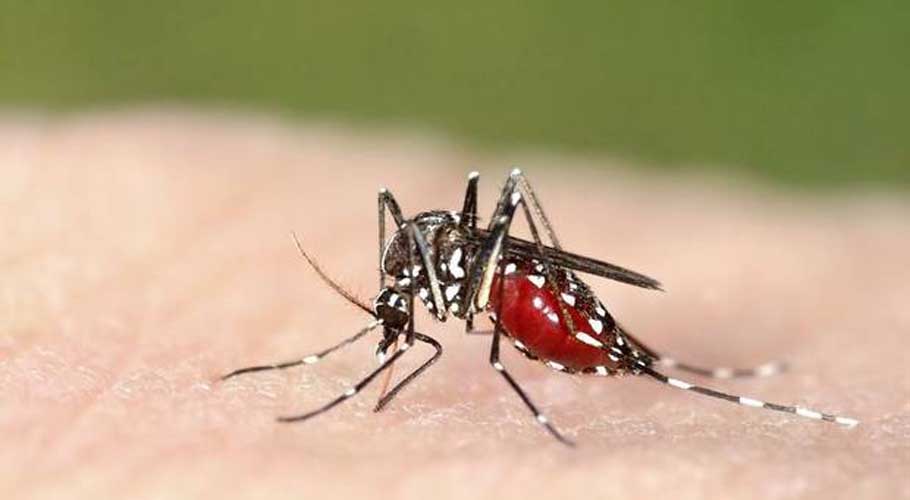
Dengue is transmitted by Aedes aegypti mosquitoes, the same species that carries Zika and chikungunya. Florida's warm, humid climate and dense urban mosquito populations make it a hospitable home for the insect year-round, particularly in South and Central Florida.

The Hillsborough County case is not isolated. Orange County officials reported two additional dengue cases this week, adding to a caseload that has been climbing since the spring. The state has not released a single consolidated count of all confirmed cases, leaving local health departments to announce infections one by one.

Hillsborough County health officials have not released the woman's age, the date of her death, or whether she had underlying health conditions. It is also unclear whether she contracted the virus locally or while traveling — a distinction that matters enormously for how aggressively officials respond.
Dengue symptoms typically include high fever, severe headache, pain behind the eyes, joint and muscle pain, and a skin rash. In severe cases, the virus can cause plasma leakage, bleeding, and organ failure. There is no widely available antiviral treatment; care is supportive. A vaccine exists but is recommended only for people with prior dengue infection and specific age ranges.
The Florida Department of Health has urged residents to eliminate standing water around their homes, use EPA-approved repellents, and wear long sleeves during peak mosquito hours. The department has not issued a statewide health alert.
What remains unanswered is how many total cases Florida has confirmed this year, and whether any of them are locally acquired. Officials have declined to say. Until that number is public, the true scale of the outbreak — and the risk to residents — remains unclear.