A tropical disease spread by mosquitoes has killed its first recorded patient in a southern U.S. state, health officials confirmed — a death that infectious disease specialists say was not supposed to happen here.

The case marks the first known fatality in that state from the illness, which is normally seen in tropical regions of Latin America, Africa, and Southeast Asia. Officials have not released the patient's name or exact location, citing privacy, but confirmed the death was linked to a locally acquired infection rather than travel.
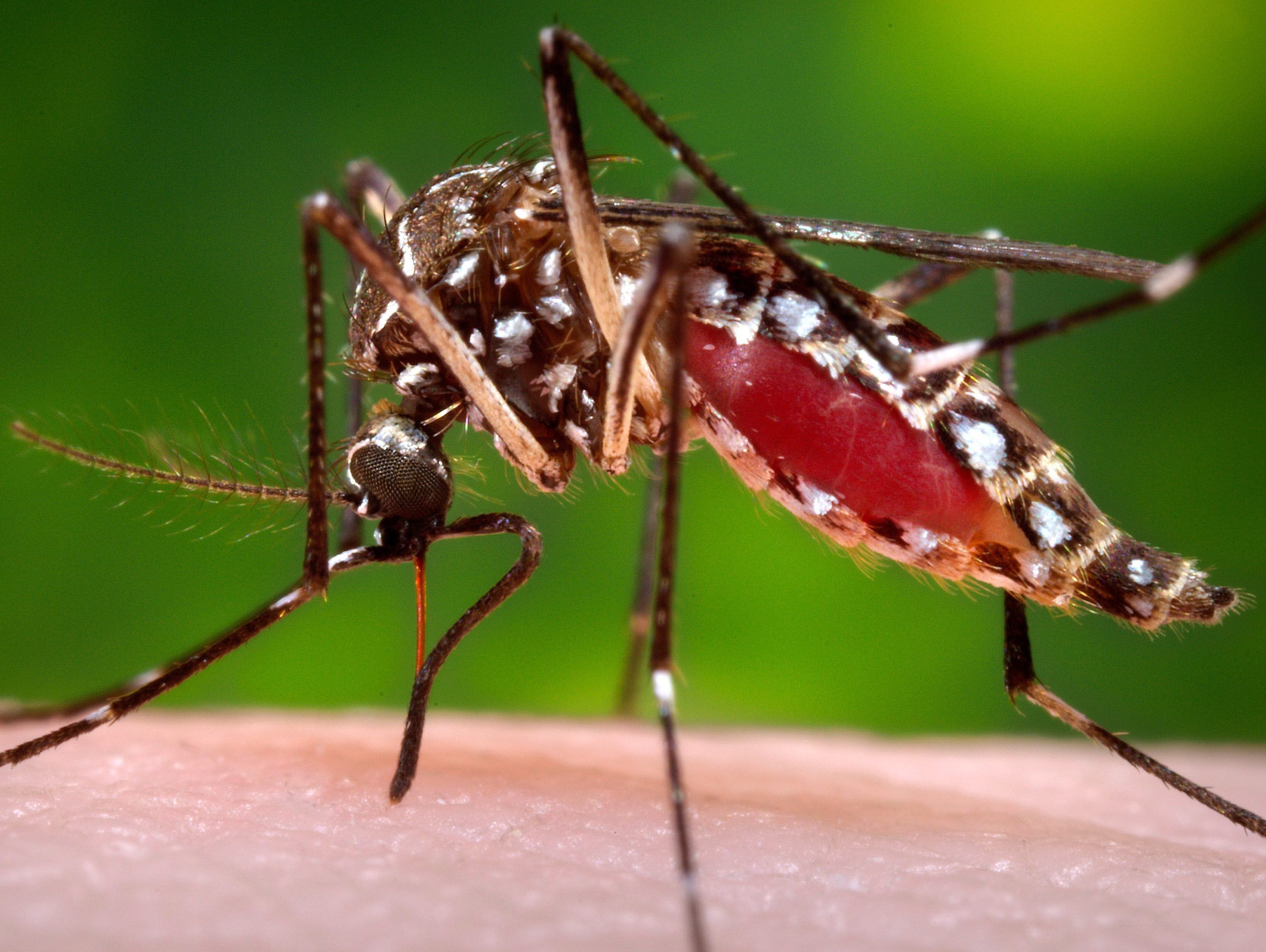
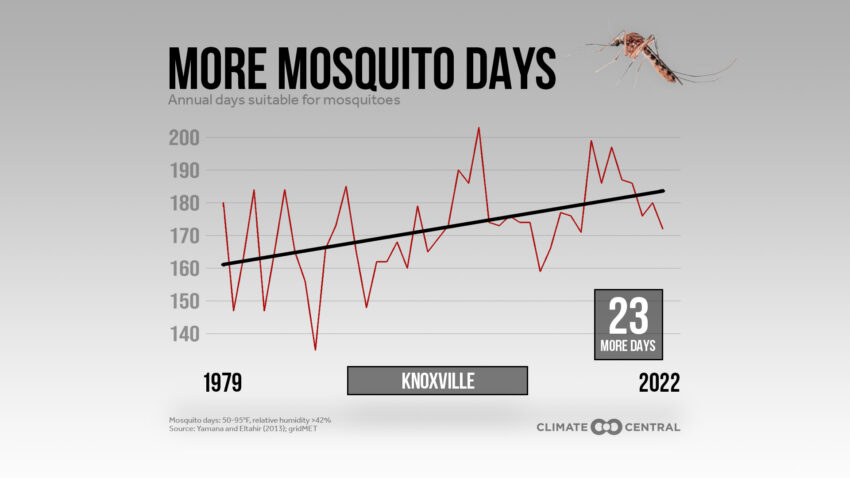
The disease is transmitted by Aedes mosquitoes — the same species that carry dengue, Zika, and chikungunya. These mosquitoes have expanded their range across the southern United States in recent years, a shift researchers attribute largely to warmer winters and longer breeding seasons.

Symptoms typically include fever, severe headache, joint pain, and rash. Most people recover, but a small percentage develop complications that can be fatal, particularly in older adults and those with underlying conditions.
Public health experts have warned for years that tropical diseases once considered foreign were becoming a domestic concern. Florida and Texas have reported locally acquired dengue cases in recent years, and surveillance programs have detected the mosquitoes responsible across a widening area.

State health officials said they are conducting additional mosquito surveillance in the area where the patient lived and are urging residents to eliminate standing water and use repellent. They stressed that the overall risk to the general public remains low.
What remains unclear is how widespread the disease may already be. Because symptoms mimic other common illnesses, mild cases are likely underreported, and officials have not said whether additional suspected cases are under investigation. The CDC has not yet issued updated guidance specific to this death.