Florida has confirmed its first dengue fever death on record, a Tampa woman, as Hillsborough County grapples with 134 reported cases — one of the state's worst dengue outbreaks in recent memory.
The Florida Department of Health confirmed dengue as the cause of death. Local and state health officials have not released the woman's name or age, citing privacy rules.

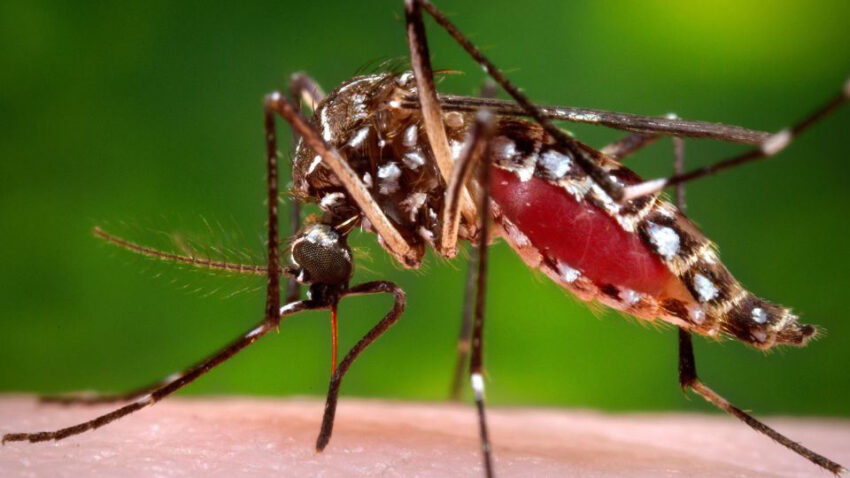
Dengue is a mosquito-borne virus spread primarily by Aedes aegypti, a species that thrives in warm, urban environments and breeds in small containers of standing water. Most people infected develop fever, severe headache, muscle and joint pain, and a rash. A smaller share develop severe dengue, which can cause bleeding, organ failure, and death.
The Hillsborough County case count has climbed steadily, and officials say the outbreak is concentrated in the Tampa area rather than spread evenly across the state. Aedes aegypti mosquitoes are now established across much of Florida, which means local transmission — not just travel-related infections — is driving the numbers.

That marks a shift. Dengue was long treated in the U.S. as an imported illness, something travelers picked up abroad. Florida has recorded sporadic local cases before, particularly in the Keys, but a death linked to a sustained local outbreak is a different level of concern.
Public health teams have been conducting mosquito control and door-to-door outreach in affected neighborhoods. Residents are being urged to drain standing water around their homes, use repellent, and seek medical care if they develop a sudden high fever with severe aches.
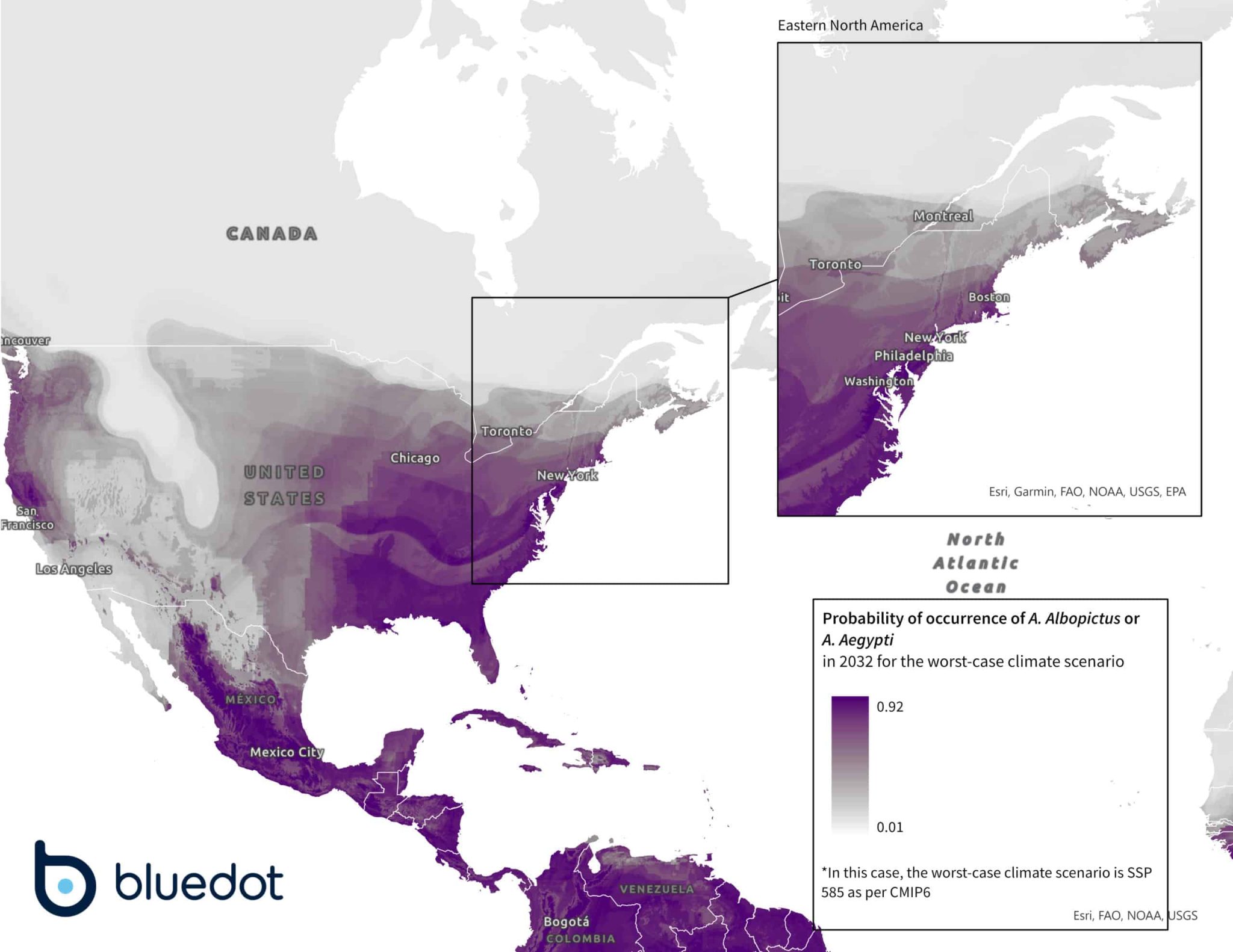
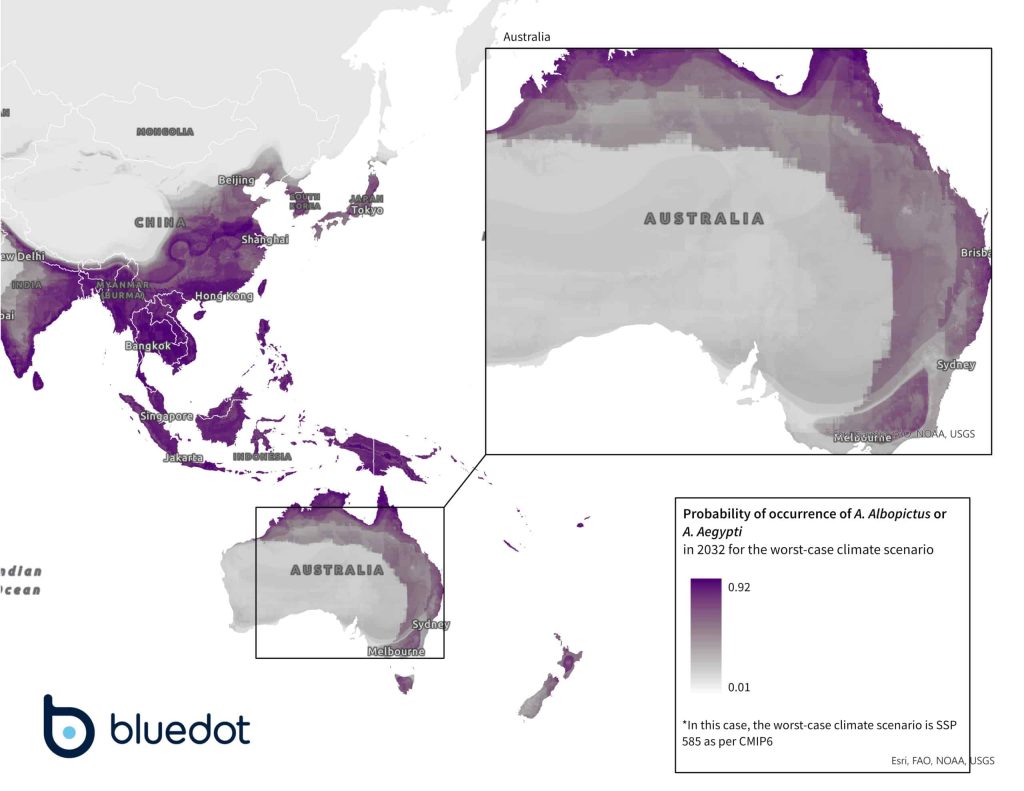
Other Gulf Coast and Southern states are watching closely. The same mosquito species is present across a wide band of the country, and experts have warned for years that warming conditions are expanding the range where dengue transmission is possible.
What remains unclear is how far the current outbreak will spread before it peaks, and whether other Florida counties will report local transmission in the coming weeks.