
Eight food preservatives found in dozens of everyday products have been linked to higher rates of high blood pressure and heart disease in a large French study, according to research reported by ScienceDaily.
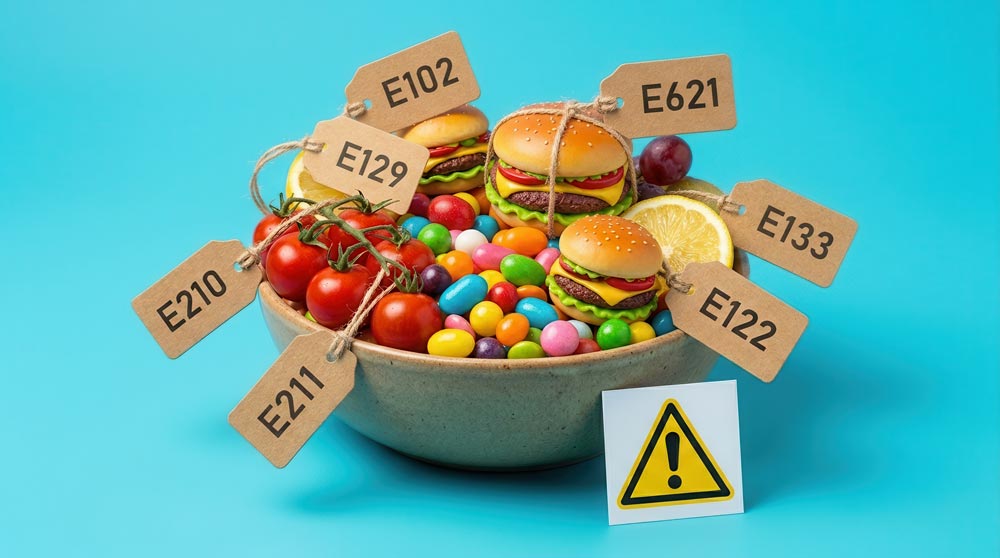
The additives are not niche ingredients. They are preservatives used to extend shelf life, and they appear in an estimated 36 common foods — including processed meats, packaged breads, and other staples that show up in most American grocery carts.

The study followed a large group of French adults and examined their intake of these additives alongside cardiovascular outcomes. Researchers reported associations between higher consumption of the eight preservatives and elevated blood pressure, as well as broader heart disease indicators.
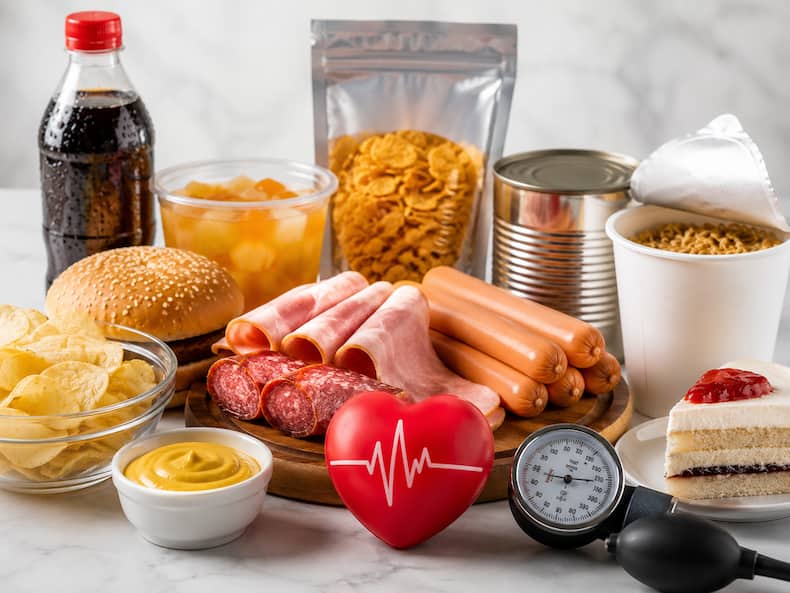
This is an observational study, which means it shows a link — not proof that the additives cause hypertension. Researchers typically caution that people who eat more processed food may differ from those who eat less in other ways that affect heart health. Still, the scale of the data and the consistency of the pattern across the additives drew attention.
The eight additives identified are commonly used in food manufacturing and are approved for use in the United States and the European Union. That regulatory status is separate from the question of long-term health effects at typical consumption levels, which this study is now raising.

Notably, several of the additives in question are preservatives that many consumers would not recognize by name but encounter daily — in sliced bread, cured meats, and shelf-stable snacks.
What the study does not yet answer is how much is too much, and whether reducing intake of specific additives would meaningfully lower blood pressure over time. Those questions would require intervention trials, which have not been conducted at this scale.
For now, the findings add to a growing body of research suggesting that the cumulative effect of common food additives may matter more than regulators have assumed. The full list of the eight preservatives, and how they compare to what is currently allowed in the US food supply, is likely to face fresh scrutiny in the coming months.