
A sweeping new review of the evidence on calcium and vitamin D supplements has reached a conclusion that many doctors have suspected for years: for most healthy adults, the pills do little to prevent broken bones.
:max_bytes(150000):strip_icc()/calcium-vitamin-d-bone-health-5084082-Final-3c9d7d89b1634530882e8c7c599de786.jpg)
The review, which pooled results from major randomized trials, found that routine supplementation did not meaningfully reduce fracture risk in the general population. That is a problem for a habit that tens of millions of Americans have followed for decades, often on the advice of a doctor.
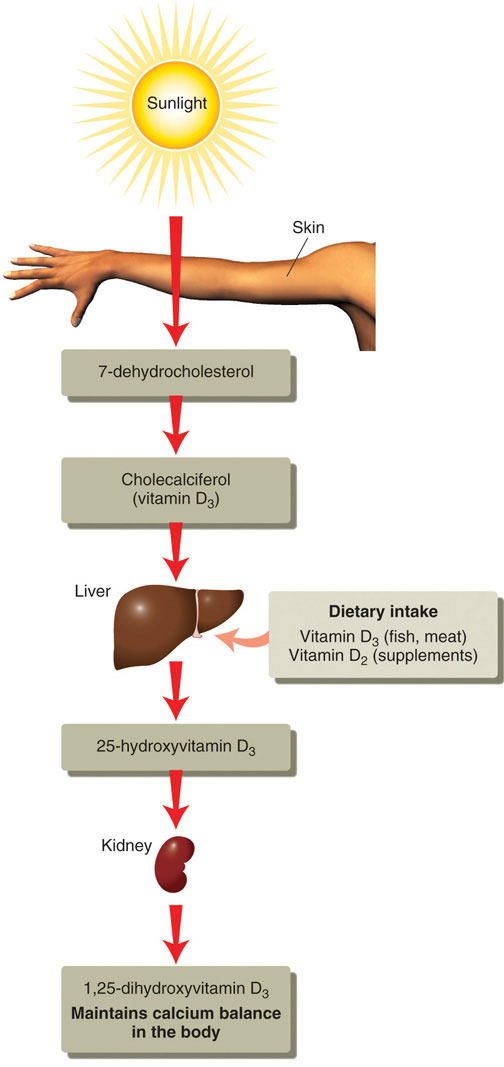
Calcium and vitamin D have long been marketed as a simple insurance policy for aging bones. Roughly half of U.S. adults over 60 take one or both, according to national survey data, making them among the most common supplements in the country. The global bone health supplement market is worth billions of dollars a year.

The evidence, however, has been mixed for a long time. Some earlier trials suggested modest benefits. Others found none. The new review attempts to settle the question by combining the strongest studies rather than relying on any single one.
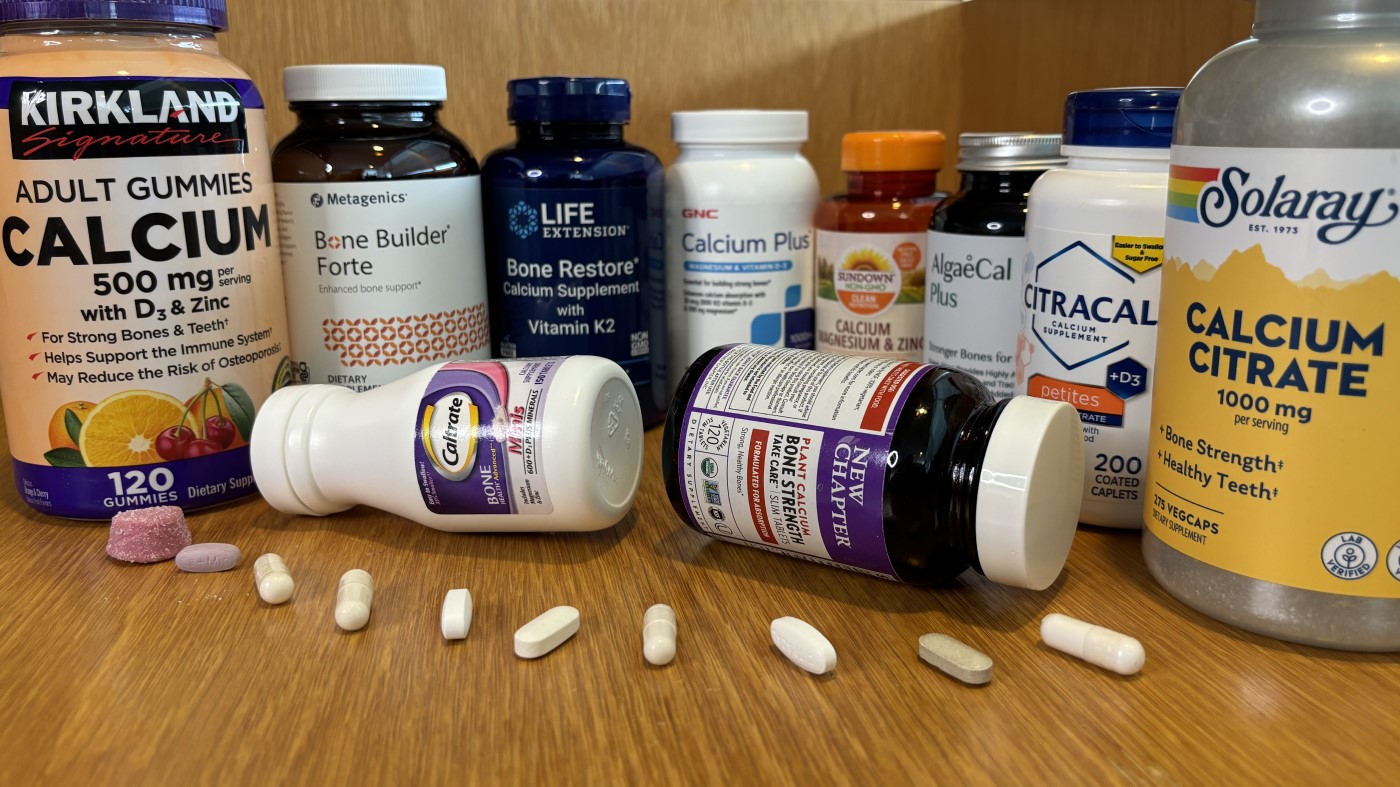
Doctors who spoke about the findings said the results should not be read as a blanket warning. People with diagnosed deficiencies, osteoporosis, or a history of fractures may still need treatment. The question is whether the average healthy adult gains anything at all.

Researchers also noted that the trials often excluded people with low vitamin D levels at the start, which could hide a real effect in that group. That gap is one reason the debate is unlikely to end here.
For now, the takeaway is uncomfortable for the supplement industry and reassuring for anyone who has been told they must take a pill every day. The science is not as settled as the shelves suggest.